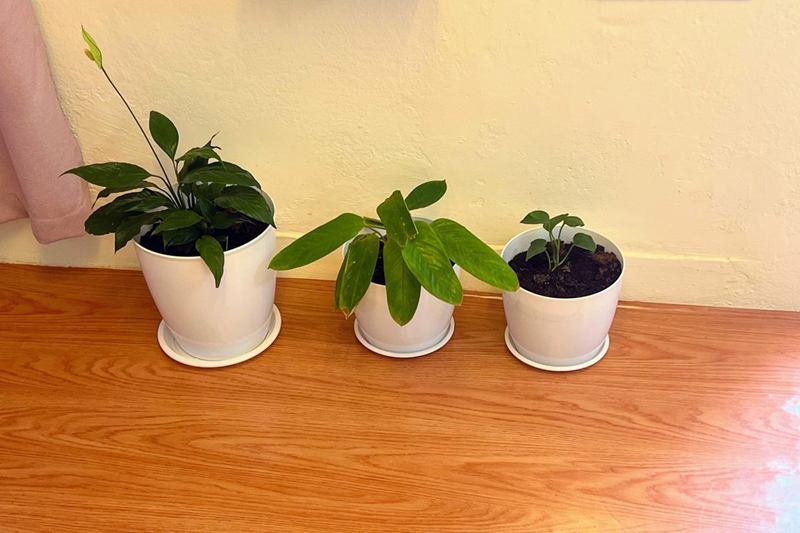
The monstera almost reaches the ceiling, and a dozen cuttings are lined up on the windowsill. Moving house plants without damage takes more planning than a box of books: plants are sensitive to cold, darkness and knocks, and wet soil quickly spreads all over the van.
The end of March is a common moving date in many Swiss communes – mild afternoons, but often chilly mornings. These five tips show how to prepare, pack and transport your indoor greenery without soil and water marks becoming a problem.
Why moving is hard on house plants
Many house plants originally come from tropical and subtropical regions. In frost or an icy draught, sensitive leaves can be damaged within a short time: they turn glassy or dark and later drop. On top of that come knocks while carrying, darkness in closed boxes and the switch to different light.
| Risk | Possible result | What helps |
|---|---|---|
| Cold and draughts | Glassy or dark leaves, leaf drop | Wrap well, load last, unload quickly |
| Soggy soil | Heavy pots, dripping water, rotting roots | Water moderately a few days beforehand |
| Knocks and tipping | Snapped stems, spilled soil | Wedge pots in crates, tie up stems |
| Long periods in the dark | Yellow leaves | Pack late, unpack immediately |
| Heat in the vehicle | Wilted or scorched leaves | Don't leave the closed vehicle in the sun |
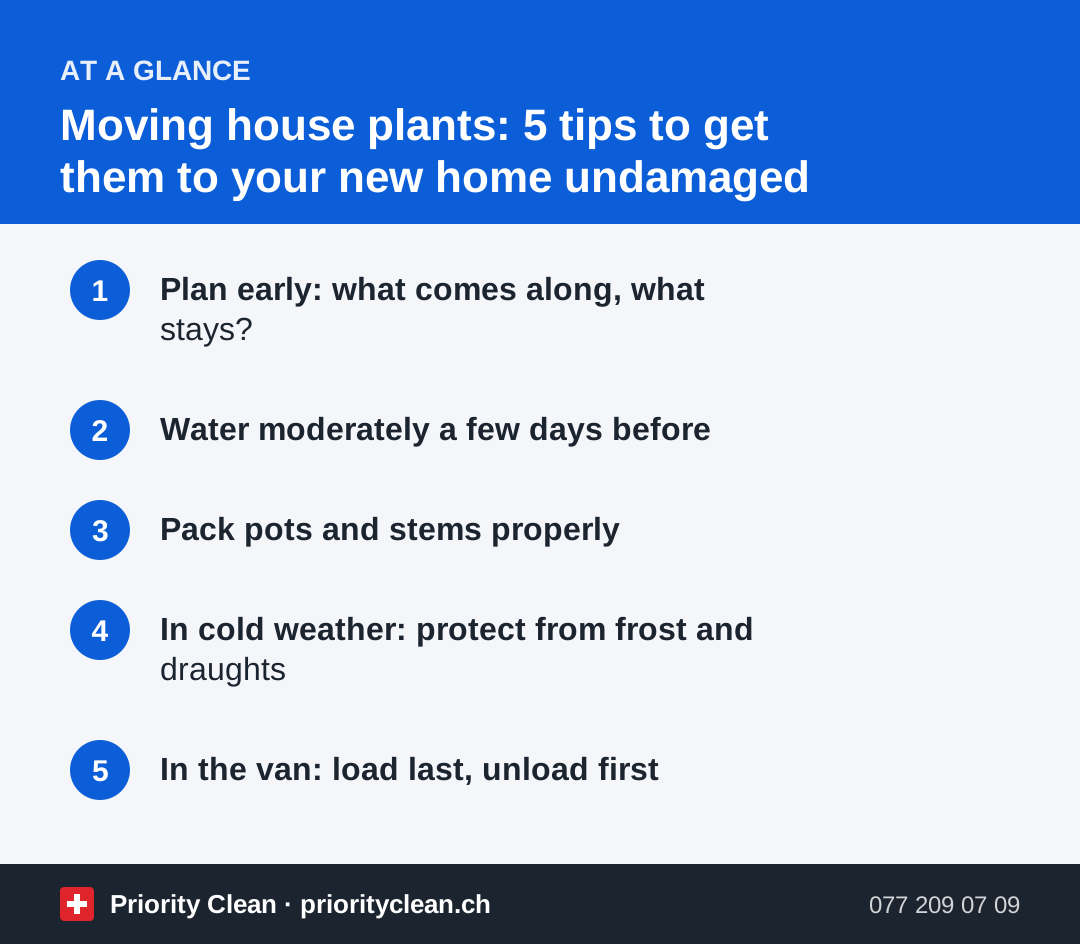
1. Plan early: what comes along, what stays?
Two to three weeks before moving day, make a list of your plants and measure the big ones: will they fit through the doors, into the lift and into the van? Delicate or valuable specimens are best off travelling in your own car. The moving checklist from ch.ch covers the tasks before, on and after moving day – add a line for your plants. Our Moving checklist Switzerland sets out the full timeline.
Not everything has to come with you: neighbours are usually happy to take cuttings, and large specimens often find a new home through swap platforms. The overview from Swiss Recycle shows what is collected where, green waste included. Whether old potting soil can go in the green waste is something your commune can tell you.
2. Water moderately a few days before
Water normally for the last time two to three days before moving day. On the day itself, the soil will be slightly damp rather than soggy: the pots are lighter, nothing drips and the roots aren't sitting in water. Cacti and succulents cope well with dry soil anyway.
- Remove wilted leaves: they would drop off during the journey anyway.
- Check for pests: look under the leaves and at the soil so that you don't bring unwanted guests along.
- No repotting or fertiliser: both add stress – postpone them.
- Clean the saucers: limescale marks come off more easily before packing; see How to clean terracotta pots.
3. Pack pots and stems properly
- Small pots: packed tightly side by side in a sturdy open crate, with gaps filled with scrunched-up newspaper.
- Cover the soil: paper or cling film around the rim of the pot and the base of the stem, loosely tied.
- Stems and leaves: gently gathered upwards and tied with soft string – never wire.
- Large specimens: wrapped in packing paper, garden fleece or an old bed sheet.
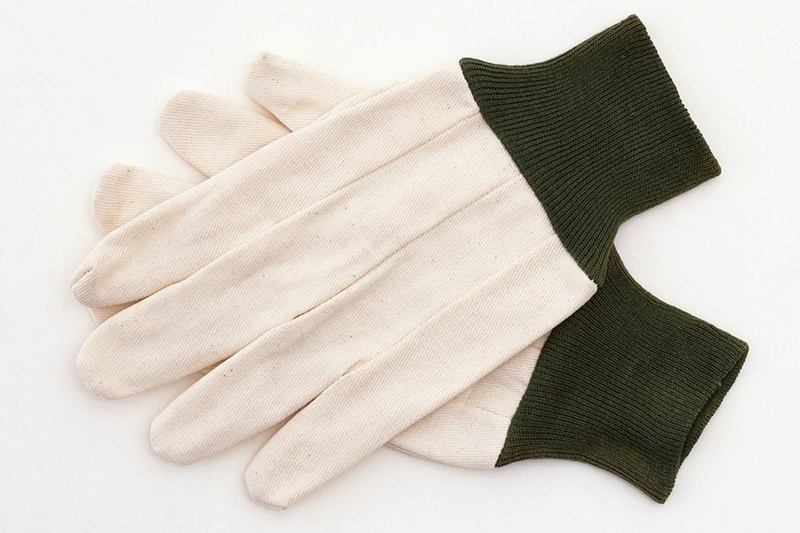
- Cacti: wrapped in several layers of newspaper and only handled with thick gloves.
- Label: "Plants – this way up – do not stack".
Remove plastic covers as soon as you arrive, otherwise moisture builds up. For the rest of your boxes, see our guide on how to pack moving boxes.
4. In cold weather: protect from frost and draughts
In March and in winter, cold is the biggest risk. Your plants should therefore spend as little time outdoors as possible:
- Wrap them in several layers of paper or fleece, and large ones in a blanket as well.
- Gather them in a heated room near the front door until the very end.
- Transport delicate specimens in a heated car rather than in the cold cargo area.
- Never leave them overnight in the vehicle, in the cellar or in an unheated attic.
In summer, it is the other way round: a closed vehicle in the sun heats up very quickly. Park in the shade.
5. In the van: load last, unload first
Plants go into the van last, right by the door. That way they don't wait in the cold while the furniture is loaded, and they are the first thing out when you arrive.
- Wedge crates upright between sturdy boxes or strap them in – never underneath heavy items.
- Line the floor with a tarpaulin or old blankets to catch soil and water.
- Once unloaded, sweep or vacuum out soil and leaves; with a rental van, check the return conditions.
In your new flat, unpack everything straight away and choose a spot with similar light to before. Only water when the top layer of soil is dry; a little leaf drop after the change of location is often normal. And back in the old flat: saucers like to leave rings on windowsills, parquet and balcony tiles. Wipe up soil and leaves right away, before they get spread around.
Common mistakes
- Watering on moving day: the pots get heavy and the water ends up in the van.
- Loading plants first: they then wait for hours in the cold, under boxes.
- Leaving them in the car overnight: one cold night can badly damage sensitive species.
- Repotting and feeding right away: too many changes at once – better to wait a few weeks.
Frequently asked questions
When should I water my plants before moving?
Water normally for the last time two to three days before moving day. The soil will then be slightly damp, the pots lighter, and nothing will drip.
Can you move plants in winter?
Yes, as long as they are well wrapped and only spend a short time in the cold. Load them last, unload them first and never leave them in the vehicle overnight.
How do you move a large plant?
Loosely tie up the stems, wrap the plant in paper or fleece and carry the planter in pairs or on a sack truck. Measure doors, lift and cargo space beforehand.
Why is my plant losing leaves after the move?
New light, different temperatures and the journey itself all cause stress, so some leaf drop is often normal. Give the plant a spot as bright as before, don't overwater and wait before repotting or feeding.
Thanks for your feedback! Feel free to share the guide.
Thanks! What was missing? Drop us a line – we will improve the guide. WhatsApp