Mould behind furniture: 5 ways to prevent it in the heating season
Black spots behind the wardrobe are an unpleasant surprise. Five measures to prevent mould behind furniture in the heating season – and what to do if you find it.
A new, field-tested guide from our cleaning team every day – from limescale and mould to a stress-free apartment handover in Switzerland.
Black spots behind the wardrobe are an unpleasant surprise. Five measures to prevent mould behind furniture in the heating season – and what to do if you find it.
The handover is on Wednesday and the flat is still full of boxes. Five steps for last minute move out cleaning when time is running out.
Why do quotes for the same 3.5-room flat differ? Five factors behind end of tenancy cleaning cost in Switzerland – and how to get a reliable fixed price.
Autumn is spider season. Five tricks to remove cobwebs from high ceilings, textured walls, window frames and balconies – safely and without smudges.
The keys are yours, the flat looks clean – but is it? Five areas to check and clean before you move in, and why documenting defects matters in Switzerland.
Spilled your morning coffee? Five methods to remove coffee stains from shirts, carpets and upholstery – whether the stain is fresh, milky or already dried.
Dozens of results for "cleaning company near me" – but which one is reliable? Five criteria that separate a trustworthy cleaning company from a risky one.
Burnt-on sauce, white rings and a greasy film? Five safe methods to clean a ceramic hob or induction hob – and what to avoid so the glass stays scratch-free.
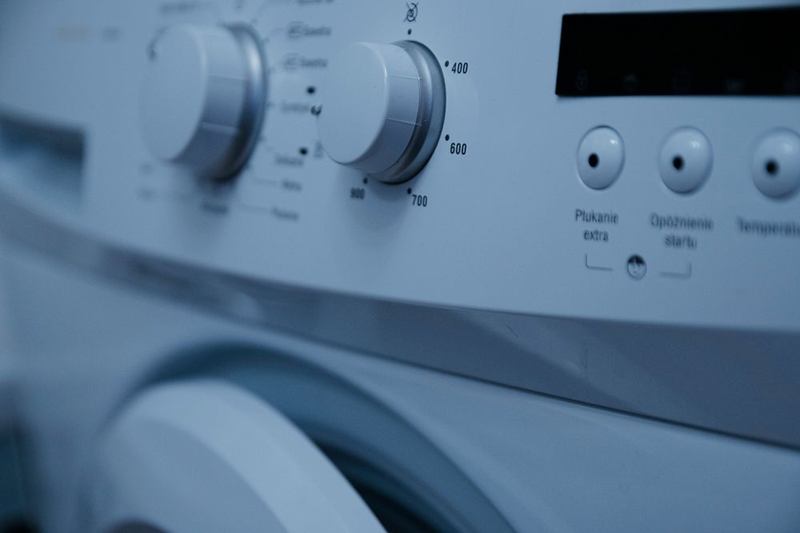
Freshly washed but smelling damp? Five reasons your laundry smells musty, from dosage to drying in the building's laundry room, and what really helps.
Sparkling glass in a grey frame still looks dirty. Five guides to clean window frames made of uPVC, wood and aluminium – including seals and drainage slots.
A thick layer of ice costs energy and space. Five steps to defrost your freezer and fridge safely – without knives, puddles or spoiled food.
A bad smell rising from the shower, basin or kitchen sink usually has a simple cause. Here are five, and the right fix for each one.
The flat is empty and the handover is tomorrow. Five things to sort out on the last day so the inspection with the property management runs calmly.
The shared laundry room is a Swiss institution – and a classic source of neighbourly friction. Five rules that keep it clean, fair and conflict-free.
"Handover guarantee" sounds reassuring, but what is behind it? Five questions that show whether a move-out cleaning guarantee will actually help you on handover day.
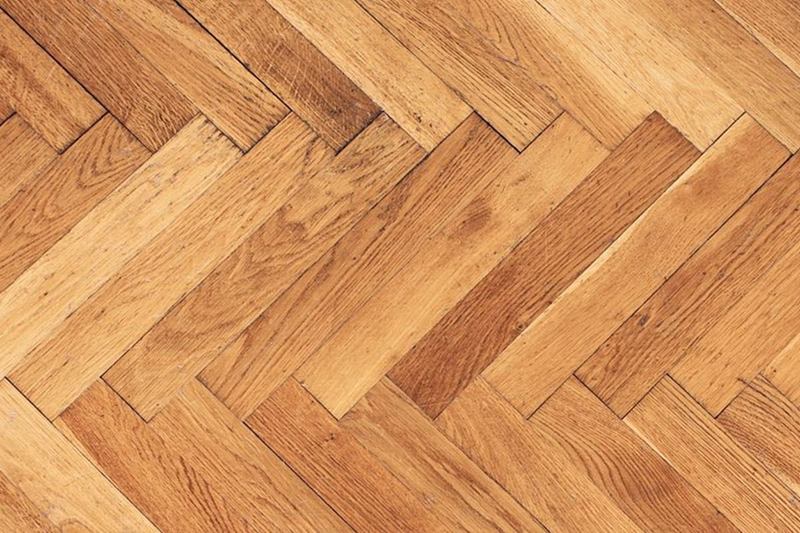
Parquet is beautiful but sensitive to water, grit and the wrong cleaner. Five rules to keep sealed and oiled wooden floors clean and looking good for years.
External venetian blinds, roller shutters and awnings are checked at almost every Swiss handover. Who has to clean them, who repairs them – and how to do it.
The cellar compartment and attic are part of the Swiss flat handover. Five steps to clear them out, dispose of everything correctly and leave them clean.
White crusts at the tap base, a spluttering water jet and dull chrome? Five tricks to remove limescale from taps without scratching – a handover classic.
Yellow walls, sticky door frames and a lingering smell of smoke? Five methods to remove nicotine residue – and when only a stain-blocking primer will help.
Most cleaning schedules fail after two weeks. Here is how to build one that fits your week, your household and your flat – step by step.
The tiles shine, but the joints between them are grey or dark. Five methods to clean grout properly – and the products that do more harm than good.
"Broom clean" sounds simple, but at a Swiss handover it rarely means just sweeping. Five misunderstandings expats often have – and what really counts.
Sticky grease filters and a hood that no longer pulls? Five methods to clean extractor hood filters, degrease the housing and know when a carbon filter needs replacing.
You wash the sheets every week – but what about the mattress underneath? Five methods for a fresher, cleaner mattress, and the one mistake that ruins it.

Picture hooks, shelves, a TV bracket: before the handover, the holes in your walls raise questions. Here is how to handle them without creating new problems.
Burnt-on grease, brown door glass and sticky trays? Five home-remedy methods to clean your oven properly – including the parts inspectors check first.
The handover protocol is the key document when you leave a rented flat in Switzerland. Here is what it records, what counts as damage and why you should never sign in a hurry.
Smelly dishwasher, cloudy glasses, food bits on clean plates? Five steps to a fresh, efficient dishwasher – and the settings many people overlook.
What Swiss property managers check at the handover, room by room – with an interactive end of tenancy cleaning checklist you can tick off as you go.
Notice periods, commune registration, mail forwarding and the handover inspection: a phase-by-phase moving checklist for Switzerland, written for expats.
A few hours of cleaning a week make you an employer in Switzerland. Here are the five duties that come with hiring a private cleaning lady.
Rusty garden tools, orange marks on the bike or a rust ring on the balcony tiles? Five home remedies – and the surfaces where you should be careful.
Dark spots in the silicone joints of your shower? Here is how to tell surface mould from mould that has grown in – and what actually helps.
Why do cleaning quotes differ so much? We explain the five factors behind cleaning company cost in Switzerland – and how to compare offers fairly.
Grey mesh, dead insects and pollen in the rails? These five methods get your fly screens clean again – whether you can take them out or not.
One hour, one caddy, one clear order of work. How cleaning professionals get an apartment visibly clean fast – and how you can copy the system at home.
Your rent deposit is often the biggest sum you get back after a move. Five steps before and after the handover help you avoid deductions and delays.
Small silvery insects darting away when you switch on the bathroom light? They're harmless – but a sign of damp. Five steps get rid of silverfish at the source.
Vinegar, citric acid, baking soda and soap: five homemade cleaning products that work, three internet recipes to skip and how to store them safely.
Thirty degrees outside and the flat feels like a sauna? Five simple airing rules keep your apartment cooler and fresher – no air conditioning needed.
Brown rings in the bowl and crusty deposits under the rim? Five methods remove limescale and urine scale from the toilet – gently, effectively and safely.
Dull colours, pet hair and a faint smell? Five methods show how to clean a rug or carpet at home – and when a wool rug should go to a specialist.
A strange smell in the flat that air freshener can't hide? Five typical causes – and how to track them down and remove them properly.
Doing the move-out cleaning yourself can work – or cost you a stressful handover. Five honest factors help you decide what's right for your situation.
Green film on the plastic chairs, grey teak, rust spots on the metal table? Five material-specific guides get your garden furniture clean for late summer.
Water draining slowly or not at all? Five home remedies often clear a blocked drain in minutes – and one rule protects you from dangerous chemical accidents.
Yellow rings on white shirts and stiff, white deodorant marks on dark T-shirts? Five methods remove sweat stains – without damaging the fabric.
Streaks that only appear when the sun shines? Five tricks from professional window cleaners give you clear glass – and keep you safe on the ladder.
The water bottle smells, the lid has black spots and the snack box looks tired? Five methods get school bottles and lunch boxes really clean for the new term.
Fingerprints on the fridge, water spots in the sink, smears on the extractor hood? Five simple tricks get stainless steel clean and streak-free.
Cloudy shower screen, crusty taps, rough tiles? Five methods remove limescale in the shower safely – and a 30-second habit keeps it from returning.
Musty laundry or black spots on the rubber seal? These five overlooked spots are where washing machines get dirty – and how to clean them in under an hour.
Two weeks away and the fridge greets you with a strange smell? Five steps get it clean, hygienic and odour-free – including the drain hole most people forget.
Dust, pollen, bird droppings and barbecue grease: five steps get your balcony floor, railing and glass clean – without flooding the neighbours below.
Slow flow, lukewarm coffee, a warning light? Here's how to descale bean-to-cup, capsule and filter machines without damaging seals or voiding the warranty.
Crumbs, pet hair, a coffee ring and a slightly musty smell? Five methods show you how to clean a sofa safely – whatever it's covered with.
A line of ants across the kitchen floor is annoying but solvable. Five steps help you find out why they came and how to keep them out for good.
Coffee, grease, grass or fruit juice? Five inexpensive home remedies deal with most everyday stains – if you use the right one for the right mark.
Tiny flies circling the fruit bowl? These five traps and tricks clear your kitchen quickly – and stop the next generation from hatching.
The 1 August barbecue was a success – now the grates are black. Five methods get gas, charcoal and electric grills clean again without hard scrubbing.
Cold water saves electricity and is kind to colours, but not everything comes out truly clean. Here is how to decide, load by load, whether a low temperature will do.
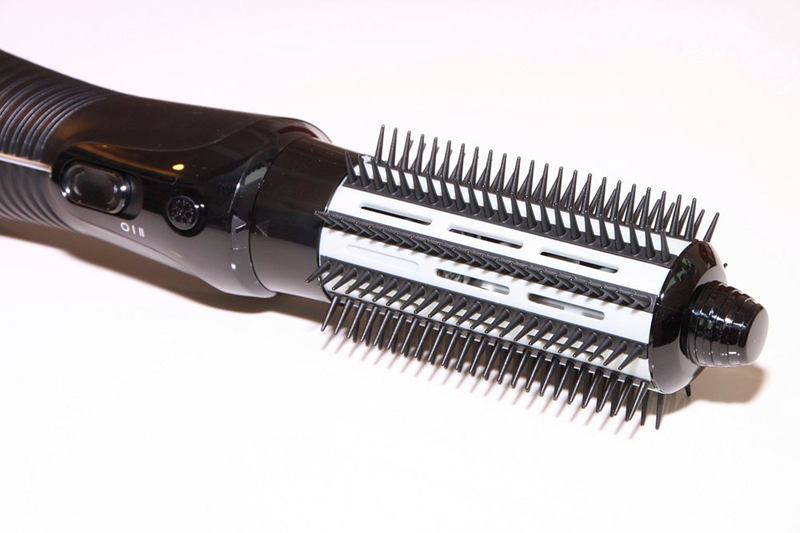
Sticky plates, a brownish film and a tool that tugs at your hair: with a damp cloth, a little alcohol and some care, straighteners and curling tongs glide smoothly again.
After a summer outdoors, the fabric over your terrace or balcony is grey, stained and often splattered by birds. A brush, soap and patience make it bright again – without ruining the coating.
Black dots and white crusts on the strips of a glass shower door are not inevitable. Here is how to get them clean again – and how to tell when only a new one will do.
Online, the tube from the bathroom is sold as a miracle cleaner. We give five popular hacks an honest verdict, with clear limits and better alternatives.
Online, the leftovers from your coffee machine are sold as an all-purpose miracle. Some hacks hold up; others block the drain or scratch the hob.
A fresh scent and a little acidity: the lemon is a useful household remedy, not a miracle cleaner. Here is where it really helps – and where powder does better.
Seed husks, droppings and feather dust build up fast. With a fixed routine, bowls, perches and the cage floor stay clean – and so does the room around the aviary.
Three bins under every desk and everything still ends up in the same bag? Central stations, clear signs and fixed responsibilities make separating waste work.
When you move out of a detached house, the property management also inspects the outside. Here is how to get lawn, beds, patio and garage in order in good time.
Under lime and maple trees everything turns sticky in summer: table, railing, car roof. Lukewarm water, patience and the right tools dissolve the sugary film.
A summer storm often lasts only minutes, the clean-up much longer. Doing things in the right order protects your claim and prevents further problems.
Leaves against the grille, pollen in the fins, snow around the casing: a little care keeps an air-source system efficient, while the inside is a job for a professional.
A favourite teddy goes everywhere with a child and eventually looks like it. Here's how to get it clean again without harming the fur, stuffing or eyes.
Skin oils and sweat tire the knit, and a gentle wash restores its elasticity. Here's how to care for medical stockings without them losing their effect.
Cold water, a mild detergent and a little patience with drying: with this care, period pants stay absorbent, odour-free and leak-proof for many cycles.
A nappy blowout or a little accident from the dog on the rug? Lift off the worst, rinse in cold water, and most faeces stains will come out again.
Green water, a rotten smell and wriggling larvae: a neglected water butt soon becomes a nuisance. A brush, a lid and a fixed routine keep your watering supply clean.
A dripping engine or a tipped-over can leaves dark marks on driveways and garage floors for years. Absorbed quickly and treated properly, they fade noticeably.
The old joint is black and cracked, but once cut out a tough film stays behind. A craft knife, plastic scraper, eraser and alcohol leave the surface smooth again.
Two fingers stuck together or a hard drop on the glass table? Warm soapy water, oil, a blade and patience loosen it without tearing skin or scratching the surface.
One splash of beetroot juice and your white T-shirt turns pink. Cold water, lemon, ox-gall soap and a little patience get fabric, skin and boards clean again.
A metal button, a wire hanger or a hair clip left in a pocket – and there's a brown mark. With acid instead of bleach, it usually comes out.
Permanent doesn't mean impossible: most felt-tip inks dissolve in alcohol. The key is choosing the right method for each surface so you don't make things worse.
Most shoe odour hides in the insole. A brush, soapy water and baking soda freshen it up – but leather insoles and orthotics need extra care.
Shoe odour starts when bacteria break down sweat inside a damp shoe. Get moisture, insoles and socks under control, and the problem usually disappears.
One splash of bleach and a pale patch appears on your dark jumper. The colour won't come back, but you can still save the garment and make the mark hard to spot.
A freshly surfaced road or a beach holiday: tar sticks stubbornly. Fat loosens it, ox-gall soap washes out the fat – and solvents remain the exception.
Milk, fat, sugar and colour: ice cream leaves several kinds of stain at once. The order matters – cold water first, then a degreaser, then the washing machine.
Plant saucer, watering can, rain barrel: wherever water stands, mosquitoes can develop. A short weekly routine takes away their breeding sites without any chemicals.
Wherever meat scraps lie uncovered, flies lay eggs in summer. Wrapping, a closed lid, shade and a clean container are usually enough to keep the bin free of larvae.
Ice cubes, the freezer and a blunt scraper do most of the work, while oil and washing-up liquid handle the rest. Here is how to free fabric, carpet and tread.
A black streak on your trouser leg after cycling to work? Chain oil is stubborn, but with a little patience and the right products the mark usually comes out.
A brown ring in your favourite mug, a splash on a pale blouse, a mark on the tablecloth: with the right household remedies, these tannin marks usually come out again.
What actually happens after you book an end-of-tenancy clean? From the first photos to cleaning day and the key handover with property management – this is how we work.
Throwing a party in the building's shared room is easy; handing it back in good order is harder. A booking system, a checklist and a clear routine keep it welcoming for all.
Customers notice the door, the floor and the counter first. Here is how to plan the cleaning of your premises around footfall, ideally outside opening hours.
Sawdust, oil stains and overflowing shelves are part of daily life in workshops and storerooms. Five steps turn them into a safe, clean place to work.
Hair everywhere, colour splashes on the basin, combs in the drawer: a clear hygiene plan keeps your salon looking cared-for for every single client.
Milk, drool and summer sweat go straight into the fabric. Prepared properly, the carrier survives the wash – and stays safe for your child.
Slimy film in the water bowl, dried wet food on the rim: here is how to keep your dog's or cat's bowls clean and hygienic with very little effort.
Water sitting in the tray, white marks on the wires, black dots in the corners: five steps are all it takes to get your dish drainer properly hygienic again.
Crumbs collect under the cutlery tray, spilt sugar in the food drawer. Here's how to get your drawers clean again without damaging wood or chipboard.
A mop that smells or leaves streaks only pushes dirt around. With the right wash, a clean bucket and careful drying, it will clean like new again.
The damp cloth hanging on the oven handle is a paradise for bacteria. Changing it often, washing it hot enough and drying it properly keeps your kitchen hygienic.
Your fingers still smell of garlic and onions hours after cooking? Cold water, a little acidity or a stainless steel spoon make the odour fade much faster.
Fried food, fish or onions: some odours still hang in curtains and cushions the next morning. Five simple habits bring a neutral-smelling home back quickly.
After a fondue chinoise or a chips night, there's a pan full of oil left over. Down the sink? Better not: here is how to bottle it and take it to the right collection point.
A summer evening, a small grill and the neighbours right next door: grilling on your balcony calls for clear rules, fire safety and a plan for tidying up.
Tiny reddish-brown beetles on the kitchen window are often the first sign that larvae are growing somewhere in your stored food. Here is how to track them down and clean up.
Thumping at night, droppings in the attic, a sharp smell: a stone marten has moved in. Here is what tenants and owners should do, from sealing entry points to cleaning up.
A rat darts across the patio, holes appear by the compost? Usually an open larder is the draw. Get food, rubbish and hiding places under control and you have the best prevention.
Tiny black streaks on the windowsill and the white washing: on sultry summer days thrips drift indoors. Good timing, fine screens and a vacuum cleaner keep things clean.
Curled-up creatures on the cellar stairs or in the bathroom? Millipedes are useful, but they show where it is too damp. Here is how to get rid of them without poison.
Earwigs do not crawl into ears and are even useful in the garden. If you find them indoors, the best approach is to move them outside and close their entry points.
Clear water takes a few simple routines done regularly. Here is how to keep an above-ground pool clean, avoid mosquito breeding sites and make the water safe for children.
Woke up to brown speckles on the sheets after applying self-tanner? The active ingredient DHA is to blame. Act quickly and with cold water, and the marks usually come out.
After a lake dive or a surf holiday, the wetsuit often ends up damp in a bag. A few minutes of care prevent odours, brittle neoprene and mildew spots.
After the pool, a wet bikini often ends up rolled into a ball in your bag. Elastane and colours don't like that. A few simple habits make your favourite swimwear last much longer.
A goal, a cheer, a tipped-over glass: beer looks harmless but leaves sticky marks and a sour smell. Cold water and a little patience get everything clean again.
Cracked number, peeling badge, musty smell: five simple rules keep your team's shirt in top shape for the whole World Cup and long after the final whistle.
One green spot on the Sunday plait and the whole loaf is lost. A short routine keeps your bread bin dry and clean – and your bread fresh for longer.
Rancid coffee oil and stale leftovers make even the best espresso bitter. With a brush, a vacuum cleaner and a little care, your coffee tastes like day one again.
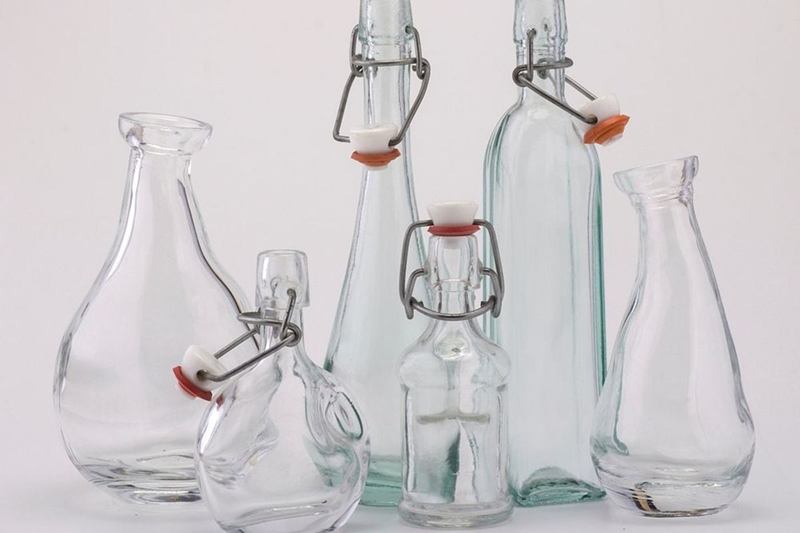
Water carafe, wine decanter or flower vase: with simple household remedies, a little patience and proper drying, narrow glass turns clear again without scratches.
Hot water, the dishwasher and raw meat are off limits. Here is how to keep your wax wraps clean, clingy and long-lasting – all the way to the compost heap.
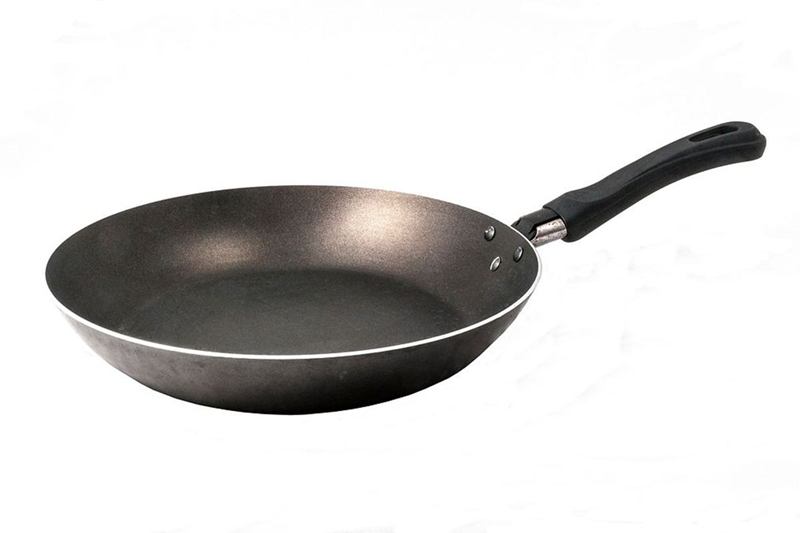
Scratches, overheating and the dishwasher are the worst enemies of a non-stick coating. Five rules keep a classic or ceramic frying pan working well for years.
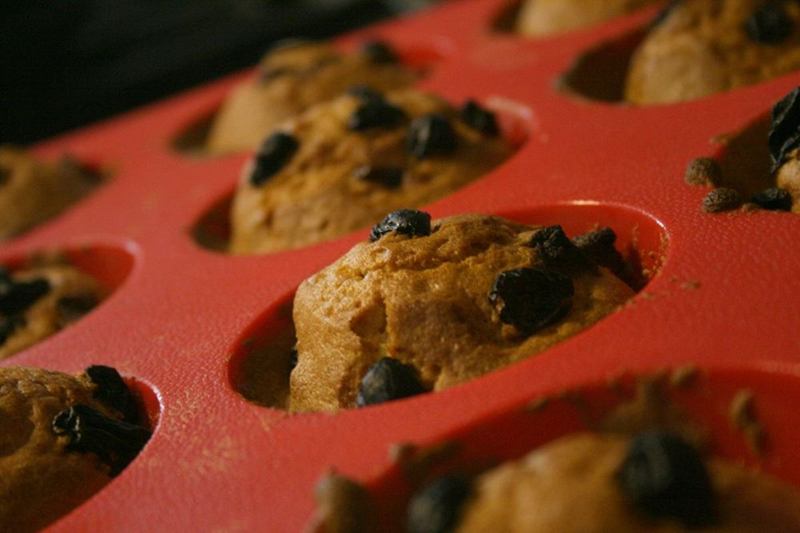
Muffin cases and bundt tins still tacky after washing? Very hot water, a bicarbonate paste and a short spell in the oven loosen hardened grease gently.
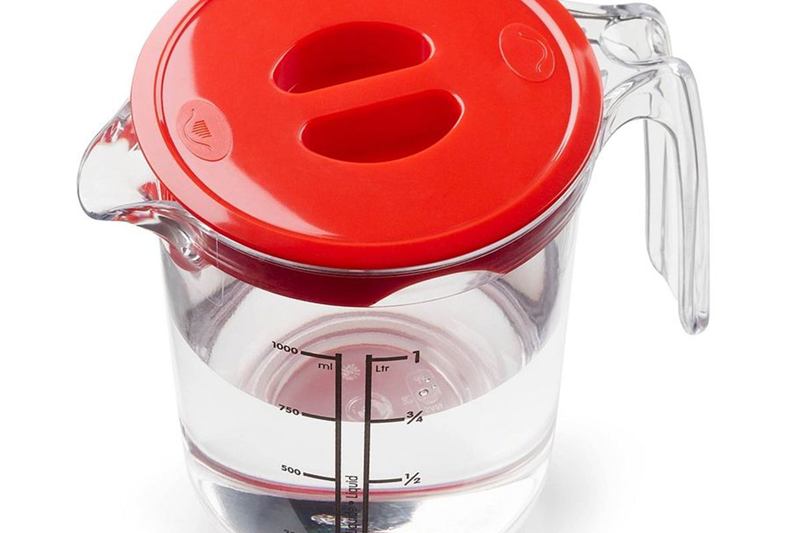
A green film, limescale flakes or a stale taste? Weekly cleaning, a cartridge changed on time and cool storage keep the water in your jug tasting fresh.
A white limescale ring, a slimy film or a stale smell? A brush, bicarbonate of soda and citric acid get glass and plastic clean again – without warping.
Dried-on milk turns into milk stone, smells sour and spoils the foam. Five simple steps keep the jug, whisk and steam wand clean and odour-free.
Crusted grooves, batter on the hinge, cheese in the toastie maker: residual heat, a dab of oil and soft tools shift it all without putting the non-stick coating at risk.
Rinse it hot, dry it open, descale it now and then: with very little effort a classic stovetop espresso maker lasts for years and the coffee never tastes rancid.
Sweat, skin oil and dust make any mat slippery and smelly over time. With mild soap, very little water and the right drying routine, it keeps its grip.
Dripping meat, muddy vegetables, unwrapped bread – all sorts ends up in a shopping bag. Dedicated bags and the right wash keep it clean and hygienic.
Canvas trainers and running shoes often cope with a gentle cycle, leather and glued pairs do not. Here is how to prepare your shoes and dry them the right way.
Yellow marks on the sweatband, sunscreen on the brim: with lukewarm water, a soft brush and a little patience, your favourite cap will look as good as new.
Crumbs from snacks, a leaking drink and sweat on the back panel: with the right method your daypack gets clean without harming its coating or padding.
The new blouse still smells of the shop, the new bath towel barely absorbs anything. A first wash removes residues and excess dye and makes textiles ready for everyday use.
New bodysuits, sleepsuits and muslins go through the machine before they are worn. Here is how to choose detergent, programme and temperature for delicate baby skin.
A hot wash sounds more hygienic, but it ruins lace and elastane. Fabric, detergent and what is going on at home tell you the right setting for every pair.
A good bra isn't cheap, and the machine, heat and the tumble dryer wear it out fast. Five rules help preserve support, lace and stretch for much longer.
Grey collar lines, crumpled sleeves, an hour at the ironing board? With good preparation and five steps, work shirts and blouses come out clean and almost smooth.
Your favourite pair should stay dark and fit well. Less often, cooler and inside out: five rules that protect the colour and the cut of your denim.
Viscose drapes beautifully and feels soft, but it becomes fragile when wet. Five rules help your summer dress, blouse and top keep their shape and size.
Linen is tough, but heat, an overfilled drum and the tumble dryer can ruin it. Five tips keep your shirt, trousers and duvet cover in shape, wash after wash.

Crumbs in the gaps, coffee on the fabric, salt marks on the mats: here is how to get your car seats and floors clean again – without a musty smell afterwards.
After months in storage the van smells stale and there is still water in the fridge. With this checklist your motorhome or caravan is ready for the road again.
Charred cheese on the stone, soot on the dome, ash in the corner: with heat, a good brush and a little patience, your wood-fired or gas oven stays in shape for years.
Melted ice, a spilt yoghurt, and two weeks later the box smells sour the moment you open it. Here is how to get your cooler clean and odour-free again.

Packed away wet, forgotten in the cellar, and next summer it smells musty. Five steps keep your tent clean, waterproof and free of black spots.
A grey film on white clogs, soil in the grooves, a smell in the footbed: soapy water, a brush and bicarbonate of soda soon get your rubber clogs clean again.
Dark footprints, stained straps, dry cork: with a brush, a little water and bicarbonate of soda, your sandals will look well cared for again after the winter.
Plasticine in the carpet, slime on a jumper, colourful crumbs in the hair: cold, washing-up liquid and diluted vinegar get most of the residue out again.
Paint boxes, finger paint and young artists: with cold water, ox-gall soap and a microfibre cloth, most traces of colour vanish from clothes and around the home.
Bobbles on your favourite jumper, fluff on a dark coat, pilling on the sofa: the right tool and a gentler wash make them all look well kept again.
Your favourite jumper now fits your godchild? A lukewarm soak, patient stretching and drying flat can often win back part of the original size.
Stubble in the head, blunt blades, red skin? A few quick steps after every shave keep electric shavers and manual razors clean, sharp and hygienic.
The moment the shower goes off, the mirror turns blind. Why it happens and which five tricks really help – from airing properly to a heated mirror.
Black specks squirting out of a rubber duck are a warning sign. How to keep bath toys dry, clean and seal them – or replace them before it is too late.
A shiny steering wheel, crumbs in the sofa, coffee on the seat: with a brush, very little water and some patience, microfibre suede soon looks soft and even again.
When the wood around the sink turns grey and soaks up water, it needs care. Cleaning, fine sanding and a thin coat of oil keep your kitchen worktop protected.
Quartz has a reputation for being low-maintenance, but it doesn't forgive everything. Mild washing-up liquid, a soft cloth and care with heat keep it looking good for years.
On matt black, every drop of water shows. Wipe dry, use mild soap and a little patience, and your mixer and shower head stay dark and evenly matt.
Dust, fingerprints and a greyish bottom edge: with a vacuum cleaner, a sponge and a little patience your blind looks bright again – no screwdriver needed.
Groggy in the morning, foggy while working from home? A CO2 monitor shows when the air is stale – and a few minutes with the windows wide open usually fixes it.
Freshly decorated, yet the flat still smells days later? Here is how to get clean air back sooner – and what to look out for next time you pick up a roller.
Fresh air smells better than any spray. Airing, cleaning, citrus peel and herbs keep your flat pleasant without loading the indoor air with extra chemicals.
A chair pushed back, a grain of grit under a shoe, the dog's claws: many marks in a wooden floor can be reduced yourself. Depth and finish decide the method.
Yellowish switches, a discoloured appliance, a cloudy phone case: often it is just dirt, sometimes the colour is in the material. Here is how to tell the difference.
Grey edges on top of your books, a musty smell from the shelves? With a brush, the vacuum cleaner and a little patience, your library gets clean and stays that way.
A grey film of dust robs your plants of light. Which method suits which kind of leaf, and why home remedies like milk or beer do more harm than good.
The buggy by the door, the bike under the stairs: handy, but often a source of friction. How to agree a safe solution with neighbours and property management.
Before Easter many graves get a spring clean. Which stone tolerates what, why acid and pressure washers are off limits, and how to keep inscriptions intact.
After winter there are leaves in the fibres, moss in the shade and a doggy smell on the balcony: here is how to get your artificial lawn fresh and green again.
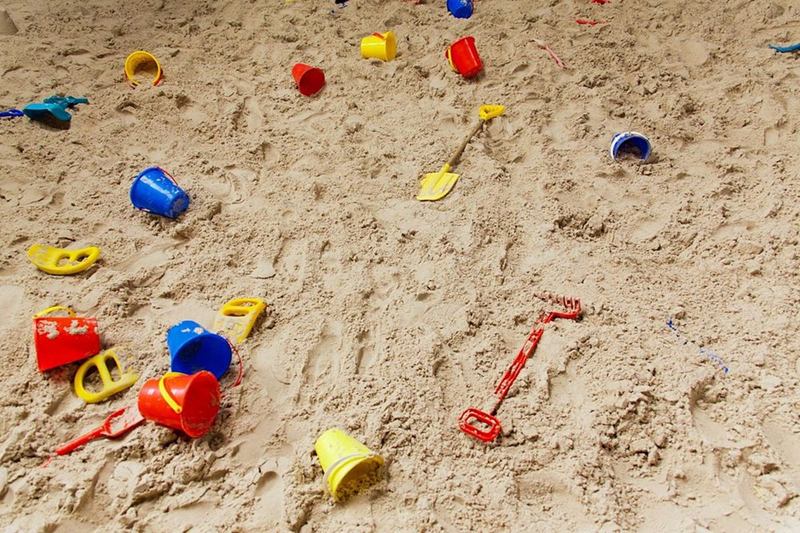
Leaves, animal droppings and damp, musty sand: with a lid, a sieve and a yearly sand change, the play corner in your garden stays clean and safe.
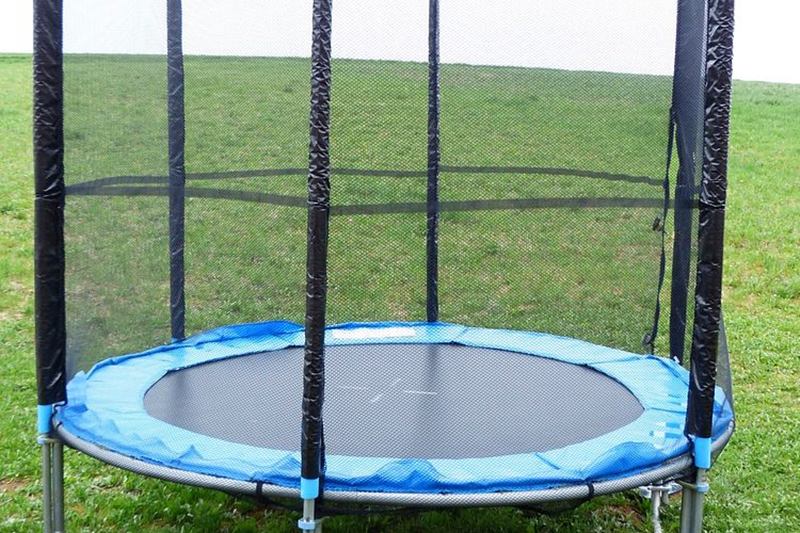
After winter the mat is covered in leaves, needles and bird droppings. A broom, soapy water and a careful look at net, springs and frame get the garden trampoline ready.
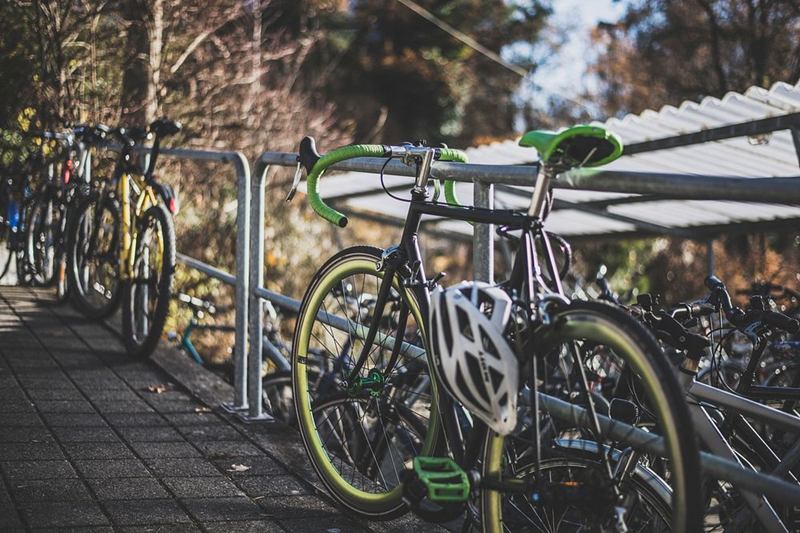
Sweat, sun cream and road dust take their toll on every helmet. With water, mild soap and patient drying it stays clean, fresh-smelling and ready to protect you.
Porridge in the gaps, sticky straps and crumbs under the seat: a short routine after meals and a weekly plan keep the seat hygienic for good.
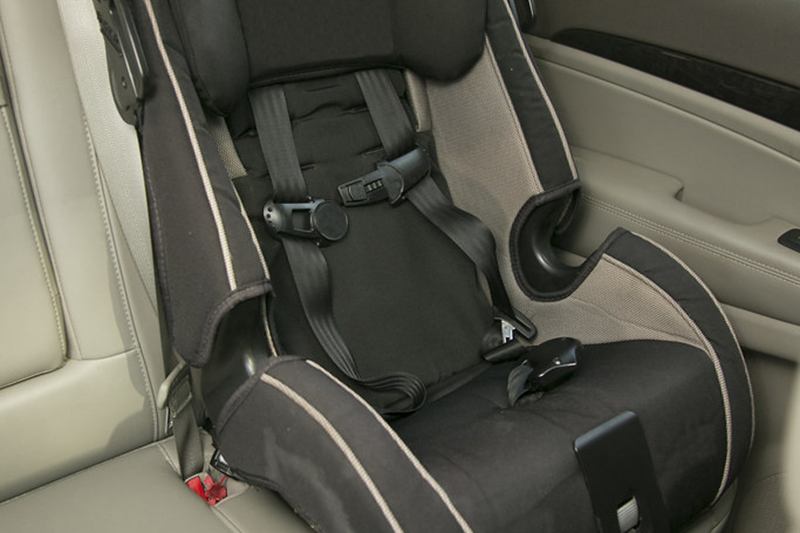
Crumbs, milk and juice end up in the car seat sooner or later. Here is how to get the cover, shell and buckle clean – while keeping the harness as strong as on day one.
Sand from the playground, crumbs under the seat and a hood folded away damp: here is how to get covers, frame and wheels back in shape without damaging them.
Wiping mud with a damp cloth only makes the mark bigger. Let it dry first and brush it out, and half the work is done before the washing machine starts.
The white sap from stems and flowers turns brown in the air and goes sticky. Act early and keep it cool, and trousers, jackets and trainers can be saved.
Spray extraction pulls a surprising amount out of a sofa or rug – but only with the right care code and if everything dries out again quickly.
One cloth for everything carries germs from the toilet seat to the kitchen table. The four-colour system used by professionals costs little and works from day one.
Disinfectant does not belong in every cleaning caddy: in a healthy home, thorough cleaning is enough. After a stomach bug or with raw meat, it is a different story.
No household product triggers as many emergency calls in Switzerland when it is combined wrongly. Here is how to use it without putting yourself at risk.
The plain bar from the Swiss drugstore tackles exactly the marks detergent alone leaves behind. How to use it, stain by stain, without ruining the fabric.
The 3 per cent solution from the pharmacy bleaches discolouration, but it is no substitute for a cleaner. Where it helps, where it harms and what it must never meet.
It evaporates without leaving a film and gives you spotless windows, but it catches fire easily. Where it earns its place and which surfaces it ruins.
Stronger than bicarbonate of soda, and trickier to handle because of it. Here is where the cheap powder earns its place and which surfaces it ruins.
The soft paste at the back of the cleaning cupboard can do more than most people think. Five uses worth trying, and how to avoid sticky residue and streaks.
Vinegar dissolves limescale, makes glass shine and costs little. On marble, rubber seals or oiled wood, however, it does real damage. Here is the spring overview.
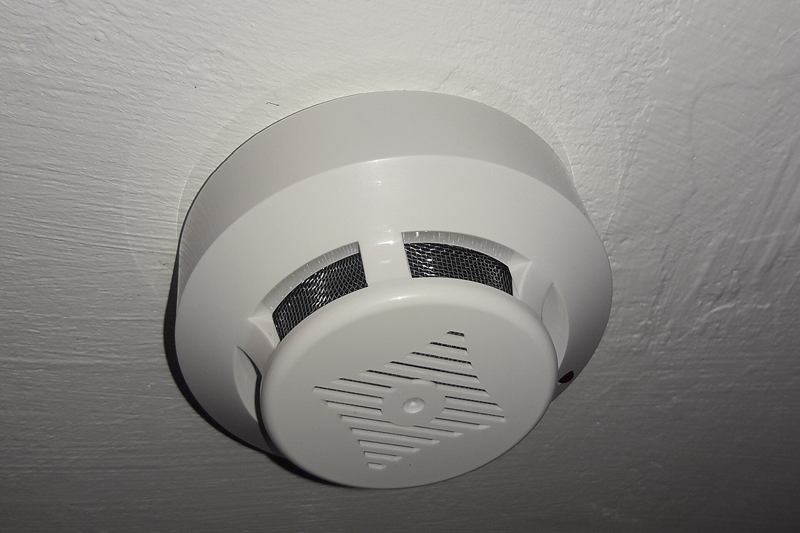
Dust and cobwebs make smoke alarms less reliable or set them off for no reason. The test button, a vacuum cleaner and a look at the date keep yours ready to go.
Three months' rent in one go is a lot of money when you move. Insurance instead of a deposit protects your cash flow, but it costs you every year.
The flat is yours and the contract is on the table. These five points are worth checking before you sign and transfer the rent deposit.
For a sought-after flat, a complete file often makes the difference. Get the form, debt extract, proof of income, ID and references ready before you need them.
Scratched parquet, worn carpet, yellowed walls: what you pay when you move out depends on wear, age and residual value. Here is how to read the table.
A dripping shower hose, a blocked sink trap, wall plug holes: some jobs are down to you as a tenant, others to the property management. Here is where the line runs.
A wardrobe that won't fit up the stairs and a handful of screws nobody can place: photos, labelled bags and good padding spare you these surprises on moving day.
Friends are happy to help you move if the plan, the kit and the breaks are right. Here is how to split the jobs, protect backs and stairwells, and say thank you properly.
Why does the same move cost noticeably more with one company than another? Knowing the price drivers helps you compare quotes fairly and save in the right places.
Soggy soil, icy morning air, snapped stems: with a little preparation, even a big monstera survives moving day and quickly settles into its new home.
A drum that swings loose, oil in the cooling circuit: large appliances are easily damaged when you move. These five rules get your washer and fridge there intact.
With no space outside the building, you carry boxes a hundred metres or park illegally. With a permit, proper signs and some lead time, the moving van stands right at the door.
Pollen, bird droppings and leaves on the modules look like lost output, yet rain is often enough. When cleaning makes sense – and why you shouldn't climb onto the roof.
Green streaks on the north side are no job for a pressure washer. What owners can do themselves – and why dirty wash water must not go down the outdoor drain.
Dandelions between the slabs, moss in the driveway: weedkillers are banned on paths and squares in Switzerland, even for private individuals. These methods still work.
A protector keeps sweat, stains and skin flakes out of the mattress – but only if it goes in the wash itself now and then. Here is how, without ruining the waterproof layer.
White crusts on clay, a green film inside plastic pots: with simple household remedies and a little patience, your pots and saucers are ready for the new season.
After winter, the garden shed smells musty, cobwebs hang in the corners and mice have left traces on the shelves. Here is how to get it clean, dry and safe again.
Grass caked under the deck slows the blade and causes rust. Here's how to get mower, battery and secateurs ready for the first cut of spring – without risking injury.
If the gutter overflows in the first spring storm, it is too late. How to clear gutter and downpipe safely – and who has to take care of it in a rented building.
Old nest out, droppings and parasites gone: cleaning a nest box at the right time helps tits and nuthatches. What you can do in March – and what should wait until autumn.
Wet bedding and the sharp smell of ammonia are bad for rabbits and guinea pigs. A fixed cleaning routine keeps hutch and cage dry, clean and almost odour-free.
Green glass and cloudy water are avoidable. With a calm routine, the tank stays clear and the useful bacteria in the filter are left intact.
Hair in the plush, stains in the bed, smells in the sisal: a vacuum, a rubber glove and an enzyme cleaner get a cat tree clean without putting your cat off it.
Does your dog's bed smell musty and is it full of hair? With good preparation, the right temperature and thorough drying, it will soon be fresh and clean again.
Fine cat hair clings to everything, from the sofa to your dark jumper. With these five tricks and a simple routine, your flat stays clean even during the moult.
Sticky buttons, greasy grips, crumbs in the seams: here is how to clean a gamepad thoroughly without letting liquid inside – even when the whole family plays.
Is your hair dryer getting louder, hotter or smelling burnt? The air intake is often clogged – an old toothbrush and a vacuum cleaner clear it in ten minutes.
Is your cordless vacuum pulsing, losing suction or smelling musty? A clogged filter is the usual culprit. Here is how to wash and dry it and look after bin, brush and battery.
Dust, fingerprints and smears on the panel? The right cloth, a little water and no glass cleaner are all it takes for a crisp picture again – without risking the screen.
Earwax in the mesh, greasy ear cushions, fluff in the charging case? With a soft brush, a microfibre cloth and a little alcohol, headphones get clean without harm.
Water, toothpaste residue and limescale collect at the bottom of the toothbrush cup. A weekly clean and a little citric acid keep cup, holder and soap dish spotless.
Clean dentures protect against inflammation and bad breath. Here is how to look after full and partial dentures properly – and how relatives can help day to day.
Saliva, plaque and coffee quickly leave deposits and stains on retainers and night guards. Cool water, a soft brush and mild soap are all you need to keep them clear.
Foundation, skin oil and dust build up in bristles and sponges. With mild soap, lukewarm water and proper drying, your brushes stay soft, hygienic and last longer.
Hair, scalp oil, styling residue and dust build up between the bristles. With a tail comb, shampoo and lukewarm water, every brush gets clean without harming wood or cushion.
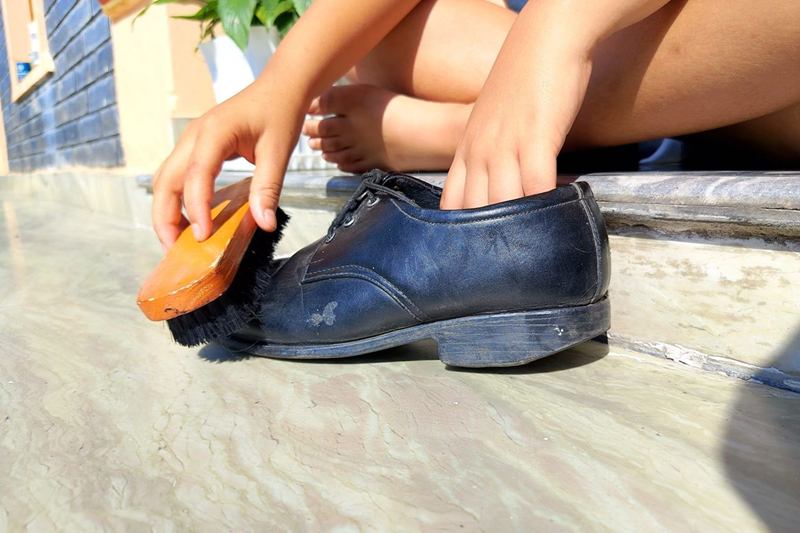
Road salt, slush and dry heating air are hard on smooth leather in winter. With a brush, shoe cream and shoe trees, your shoes stay supple and shine again.
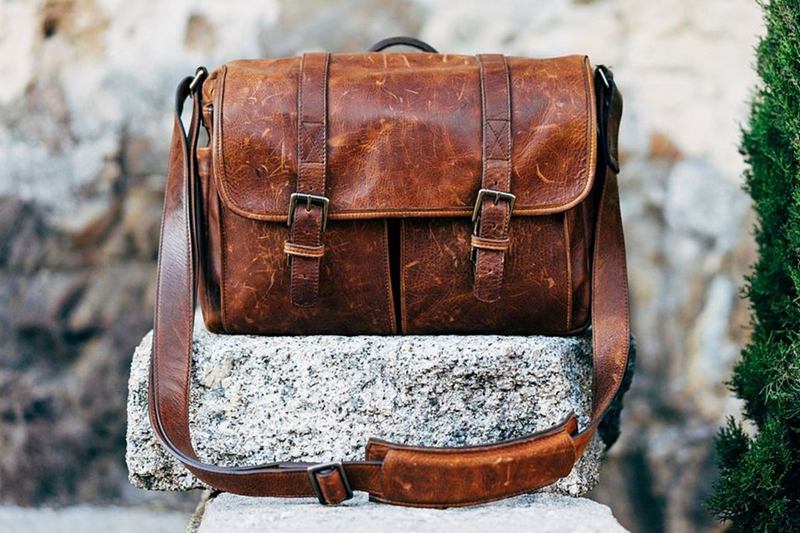
Dark handles, crumbs in the lining, a pen mark on the front? Here's how to clean your bag from the inside out – gently and without pulling it out of shape.
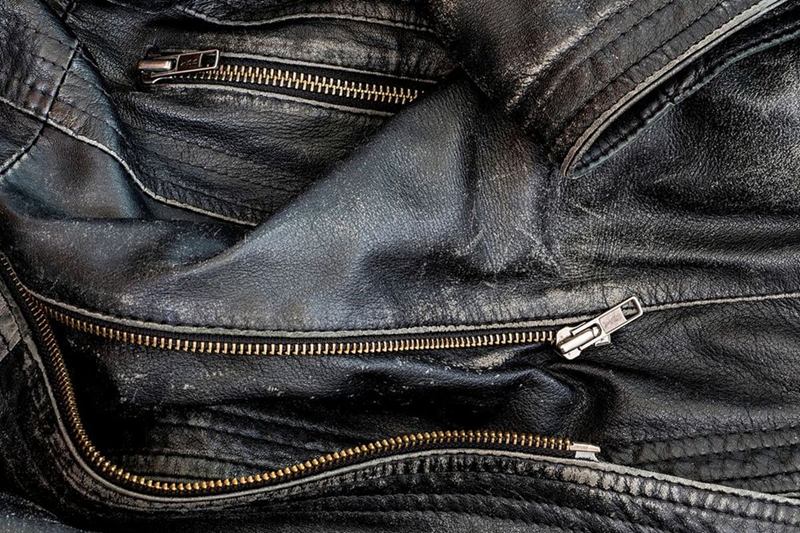
Shiny collar, dark cuffs, a smell of fondue that won't go away? With mild soapy water, patience while it dries and the right care, your jacket will look good again.
A single drop of water tells you what kind of leather you have. Then the rules are simple: dust first, little moisture, mild soap and the right care, no experiments.
Pan gone grey after the dishwasher, baking tin covered in spots? With a mild acid and a little patience, the metal turns bright again – no harsh cleaners needed.
Water spots, limescale rings and tiny rust dots make chrome look old fast. Gentle products and drying after every clean keep that mirror shine going for years.
Tarnished candlestick, door handle or heirloom? Do the lacquer test first, then polish with a mild acid and a little salt – and the metal will glow golden again.
Sweat, skin flakes and soap residue build up under a watch strap, often unnoticed. Here is how to clean watch and strap to suit the material without risking the case.
Pearls are organic and sensitive to perfume, acids and heat. A soft cloth, a little patience and the right storage are all it takes to preserve their gentle lustre.
Inexpensive necklaces and earrings quickly lose their shine or leave green marks on your skin. Dry care and airtight storage make them last noticeably longer.
Skin oils, hand cream and soap residue slowly dull gold. Lukewarm water, a drop of washing-up liquid and a little knowledge about gemstones are all it takes to restore the shine.
Head lice alert at school? There is no need to wash half the flat – a few targeted steps are enough. What matters most is treating the head.
Norovirus is highly contagious and hard to shift. Gloves, targeted cleaning of toilets and door handles and hot laundry protect everyone else in your home.
It snowed overnight and nobody feels responsible? Your lease, the house rules and the owner's liability hold the answer – plus practical tips for clearing snow safely.
A jumper sleeve, a paper tissue or a huff of breath: that is how many people wipe their specs, slowly scratching the lenses. Water, soap and the right cloth work better.
Tiny round holes and fine powder under the old chest of drawers? Here is how to check whether the infestation is active, clean up properly and respond the right way.
Roaches scurrying across the kitchen at night? Act fast, but act right: sprays don't work, neighbours and property management need to know, and a professional does the treatment.
Water rising instead of draining away? With these five steps you can usually unblock the toilet yourself, safely and without corrosive drain cleaners.
Water draining slowly or a smell rising from the plughole? The dirt usually sits right below the plug. With a bucket, gloves and a little patience, it is quickly sorted.
Rumbling when heating, hot water running out sooner, rising energy use: limescale in a hot water tank costs energy. What tenants report and what the professional does.
In Minergie flats, comfort ventilation works quietly in the background. To keep it supplying fresh air rather than dust, its filters and valves need regular attention.
Daily, weekly or twice a year? This overview shows how often each area of an office should be cleaned and when shorter intervals are needed.
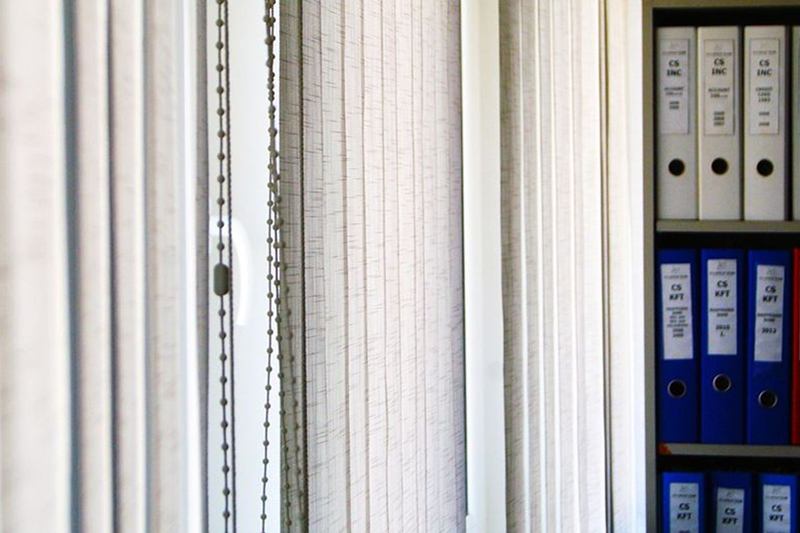
Vertical blinds in the office collect dust, fingerprints and coffee splashes. Here is how to clean fabric and PVC louvres without dismantling the whole system.
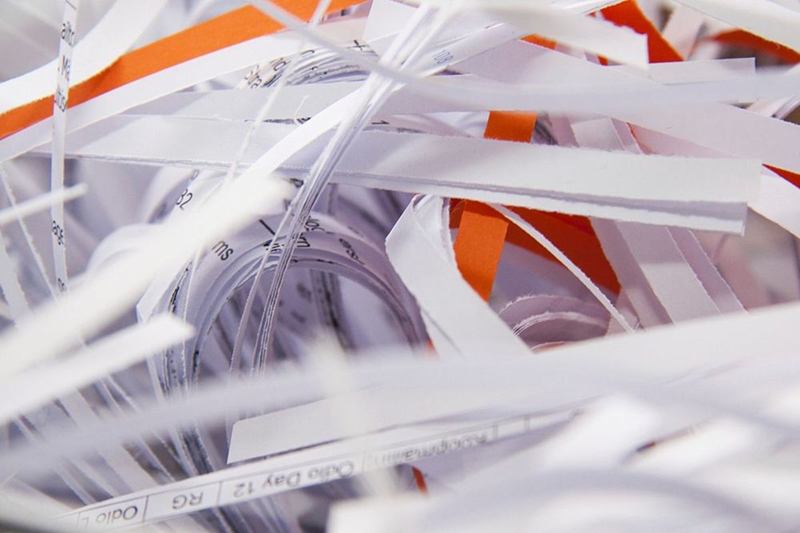
In January the shelves are overflowing. What you still need to keep, what belongs in the shredder and what can go out with the waste paper – explained in brief.
Dust in the seams, coffee stains, hair wound round the castors: with the right method for each material, your seat comes clean without damaging the padding.
Grey lines of dust, hair in the corners, black streaks from the vacuum: with the right order and very little water, skirting boards are clean again in no time.
Artificial plants need no water or fertiliser, but they collect dust like few other decorations. With the right method, your ficus, olive tree and orchid look fresh again.
Dust on a lampshade swallows light and often only shows once the lamp is on. With the right method for each material, every shade comes up clean again.
After the big January clear-out, the mess often creeps back within weeks. Small daily routines do more than one huge tidying session a year.
Cuddly soft and meadow-fresh – that is what the bottle promises. Here is why that does not apply to every fabric, and how hard laundry turns soft without any additive.
Too much powder leaves clothes stiff, too little turns whites grey. Water hardness, drum fill and how dirty the wash is tell you the right amount.
First flat or flatshare, and suddenly the laundry is your job. Five steps take you from a full basket to a tidy wardrobe – without pink T-shirts or shrunken jumpers.
Dots, bars and triangles: the small label sewn into a garment tells you how hot, how gently and how it should be dried and ironed without damage.
One red sock or a new pair of jeans, and your whites come out pink or bluish grey. Act fast and keep everything wet, and you stand a good chance of saving them.
Grey soles and a dull overall look? Targeted pre-treatment, an overnight soak and a little sunshine often bring back the brightness – without wearing out the fibres.
Does your favourite blanket feel rough and matted after a few washes? Too much heat, fabric softener or an overfilled drum is usually to blame.
The juice from the seeds is a strong dye, and heat sets it into fabric. Act fast and keep everything cold, and most red splashes will come out again.
Dust, soot and ash build up over the heating season. With a cold stove, mild soap and the right order of steps, tiles and stone stay in good shape for a long time.
Slush and road salt leave dark tide marks and white lines on sheepskin boots. With a brush, a sponge and a little patience, they soon look well cared for again.
Felted wool, stiff leather fingers, smelly ski gloves? Once you know the material, you can look after gloves and hats properly and keep your hands warm all winter.
Soggy liners, a musty smell, smeared goggles? After a day on the slopes, a few simple steps decide whether your kit is dry and fresh for the next morning.
Grey haze against the low sun, a misted-up windscreen as you set off? Two microfibre cloths, the right cleaner and good ventilation bring back a clear view.
A heated blanket can take more water than many people think – but only with the controller removed, on a gentle cycle, and plugged back in once fully dry.
Too big for the machine, damp for days, lumpy afterwards? With the care label, the right drum and patient drying, your duvet will be fresh and fluffy again.
No guides found. Try another search term.