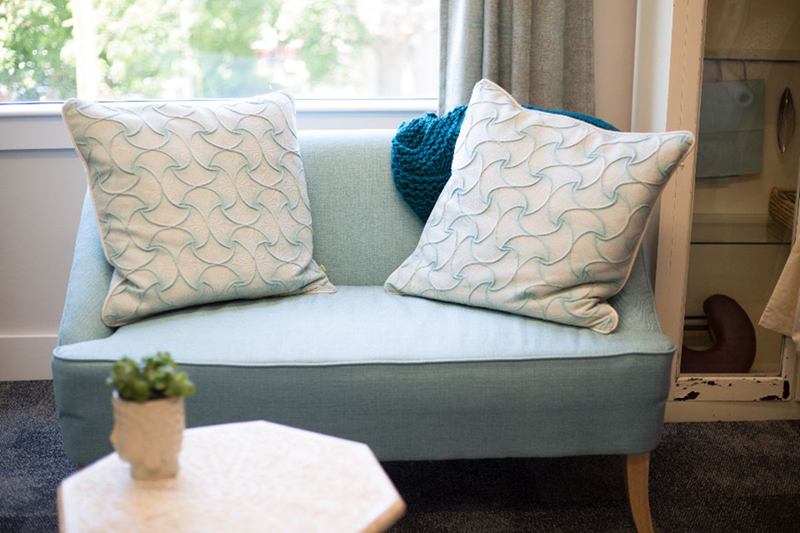
The sofa is where you watch films, eat snacks, nap with the dog and put your feet up after work. No wonder it collects crumbs, body oils, dust and the occasional spill. If you want to clean a sofa properly, the most important question isn't which product to buy – it's what your sofa is covered with. Fabric, microfibre and leather each need a different approach.
These five methods show how to clean a sofa at home safely, from a quick weekly refresh to treating stains and caring for leather.
First step: read the care label and cleaning code
Look under the seat cushions or on the underside of the frame for a label. Many sofas sold in Switzerland, especially by international furniture chains, use letter codes:
| Code | Meaning | What you can use |
|---|---|---|
| W | Water-based cleaning allowed | Mild soapy water, upholstery foam |
| S | Solvent-based cleaning only | Special dry-cleaning solvent – no water |
| WS or SW | Water or solvent | Mild water-based cleaners, carefully |
| X | No wet cleaning at all | Vacuuming and brushing only; stains to a professional |
If there is no label, treat the sofa as delicate: vacuum, brush, and test any liquid on the back or underside first. Removable covers may be machine washable – but check the label, as some shrink and won't fit afterwards.
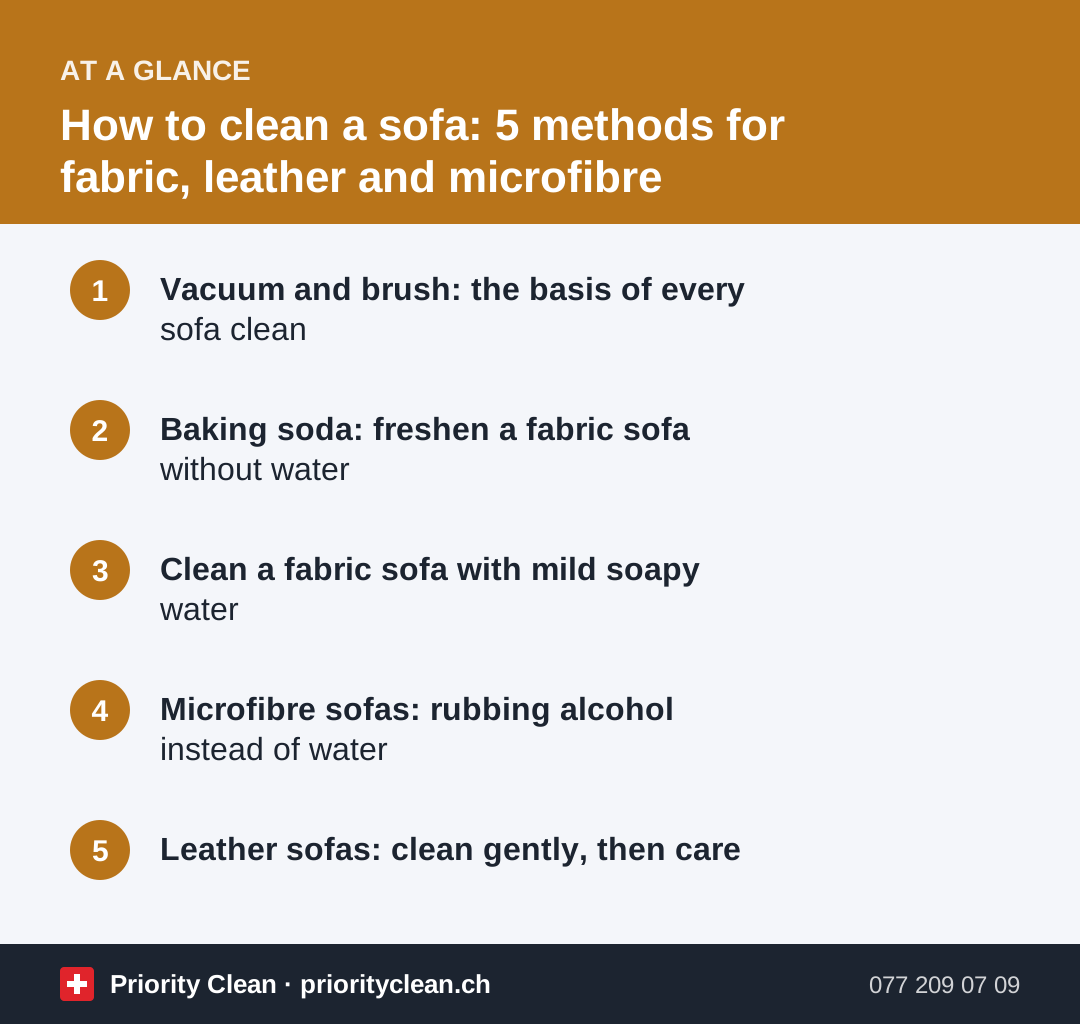
1. Vacuum and brush: the basis of every sofa clean
Dust, crumbs and hair sit deep in seams and between cushions. Remove them before you do anything else.
- Take off all loose cushions and throw pillows.
- Use the upholstery nozzle to vacuum the seat, back and arms in overlapping strips.
- Use the crevice tool along seams, piping and the gap at the back of the seat.
- Brush the fabric gently with a soft clothes brush to lift embedded dirt, then vacuum again.
For people with a house dust mite allergy, aha! Swiss Allergy Centre recommends a vacuum cleaner with a HEPA filter and reducing dust traps – regular sofa vacuuming is part of that routine.
2. Baking soda: freshen a fabric sofa without water
A sofa that smells of food, sweat or pets doesn't always need a wet clean. Baking soda absorbs odours gently and is suitable for most fabrics, including those with an S code.
- Vacuum the sofa first.
- Sprinkle a thin, even layer of baking soda over the seat and back cushions.
- Leave it for several hours or overnight – keep pets and children away.
- Vacuum thoroughly, ideally twice, so no white residue remains in the fibres.
On dark fabrics, test on a small area to make sure no light residue stays behind.
3. Clean a fabric sofa with mild soapy water
For sofas with a W or WS code, a light wet clean removes grime from armrests and headrests where skin and hair touch the fabric.
- Mix a few drops of clear washing-up liquid or mild wool detergent into lukewarm water and whisk up a foam.
- Apply mostly the foam, not the water, with a soft microfibre cloth.
- Work in small sections, dabbing rather than rubbing.
- Wipe with a cloth dampened in clear water to remove soap residue.
- Blot dry with a towel and let the sofa air-dry completely, with good ventilation.
Too much water is the most common problem: it soaks into the padding, dries slowly, can leave water rings and may smell musty. For spills, blot immediately and treat from the outside inwards. Coffee and red wine have their own tricks – see our guide to home remedies for stains.
4. Microfibre sofas: rubbing alcohol instead of water
Microfibre and many synthetic suede-look fabrics often carry an S code, because water can leave marks. Here, a spray bottle of isopropyl alcohol (rubbing alcohol from the pharmacy) is a common approach:
- Test on a hidden spot first.
- Spray lightly onto the soiled area – don't soak it.
- Rub gently with a white sponge or cloth; the alcohol evaporates quickly.
- Once dry, brush the fibres with a soft brush to restore their texture.
Alcohol is flammable: ventilate well, don't smoke and keep it away from open flames.
5. Leather sofas: clean gently, then care
Leather needs a different routine. It doesn't like soaking, strong detergents or vinegar.
- Dust or vacuum with a soft brush attachment.
- Wipe with a cloth that is barely damp, with a drop of mild soap or a leather cleaner.
- Dry immediately with a soft cloth.
- Apply a leather care product every few months to keep it supple, following the product's instructions.
Keep leather sofas away from direct sunlight and radiators, which dry out the surface. Suede and nubuck are more delicate still: brush only, and leave stains to a specialist.
Common mistakes when cleaning a sofa
- Ignoring the code: Water on an S-code fabric can leave permanent rings.
- Too much liquid: Wet padding dries slowly and may smell musty.
- Coloured cloths: Dye can transfer to light upholstery – use white cloths.
- Rubbing stains hard: It spreads the stain and roughens the surface.
- Hair dryer or heater to dry: Heat can shrink fabric and crack leather.
For rugs under the sofa, our guide on how to clean a rug at home completes the job.
Frequently asked questions
How do I clean a fabric sofa at home?
Vacuum thoroughly first, then check the cleaning code. For W or WS fabrics, dab with foam from mild soapy water, wipe with clear water and let it air-dry. For S fabrics, use a suitable solvent such as rubbing alcohol after a patch test.
Can I clean a sofa with baking soda?
Yes. Sprinkle a thin layer on the vacuumed fabric, leave it for several hours or overnight and vacuum it up thoroughly. It freshens odours but won't remove stains on its own.
What does the code S mean on a sofa?
S means solvent-based cleaning only. Water can leave marks or water rings on these fabrics, so use a solvent-based upholstery cleaner or rubbing alcohol, after testing on a hidden spot.
How often should I clean my sofa?
Vacuum it every week or two, especially with pets or allergies. A deeper clean is sensible once or twice a year, and spills should be treated immediately.
Thanks for your feedback! Feel free to share the guide.
Thanks! What was missing? Drop us a line – we will improve the guide. WhatsApp