We spend roughly a third of our lives in bed, and the mattress absorbs moisture, skin flakes and dust night after night. Unlike bed linen, it cannot go into the washing machine. That is why many people have never cleaned theirs – or are unsure whether they can without damaging it. Learning how to clean a mattress is simpler than you might think, as long as you remember one rule: never soak it. Here are five methods that keep it fresh.
Why mattresses need cleaning
Your bed collects more than you can see. During the night we lose moisture through sweating and shed skin flakes, which settle into the fabric and upper layers. Dust accumulates, and house dust mites feed on skin flakes. Spills, make-up and pets add stains and odours.
Cleaning a mattress is therefore about three things: removing dust, keeping it dry and dealing with stains without pushing moisture deep inside. For people with a dust mite allergy, the Swiss allergy centre aha! recommends specific measures such as mite-proof encasings and washing bedding at 60 °C – medical questions belong with your doctor.
Check the label first
Before you start, look for the care label on the mattress or its cover.
| Mattress or cover type | What to keep in mind |
|---|---|
| Removable, washable cover | Wash as stated on the label, dry completely before refitting |
| Fixed cover (not removable) | Vacuum and spot-clean only |
| Memory foam or latex | Avoid heat, steam and too much moisture |
| Pocket spring | Vacuum carefully along seams and edges |
| Natural fibres (wool, horsehair) | Air well, spot-clean very gently |
When in doubt, follow the manufacturer's instructions and test any cleaning method on a hidden spot.
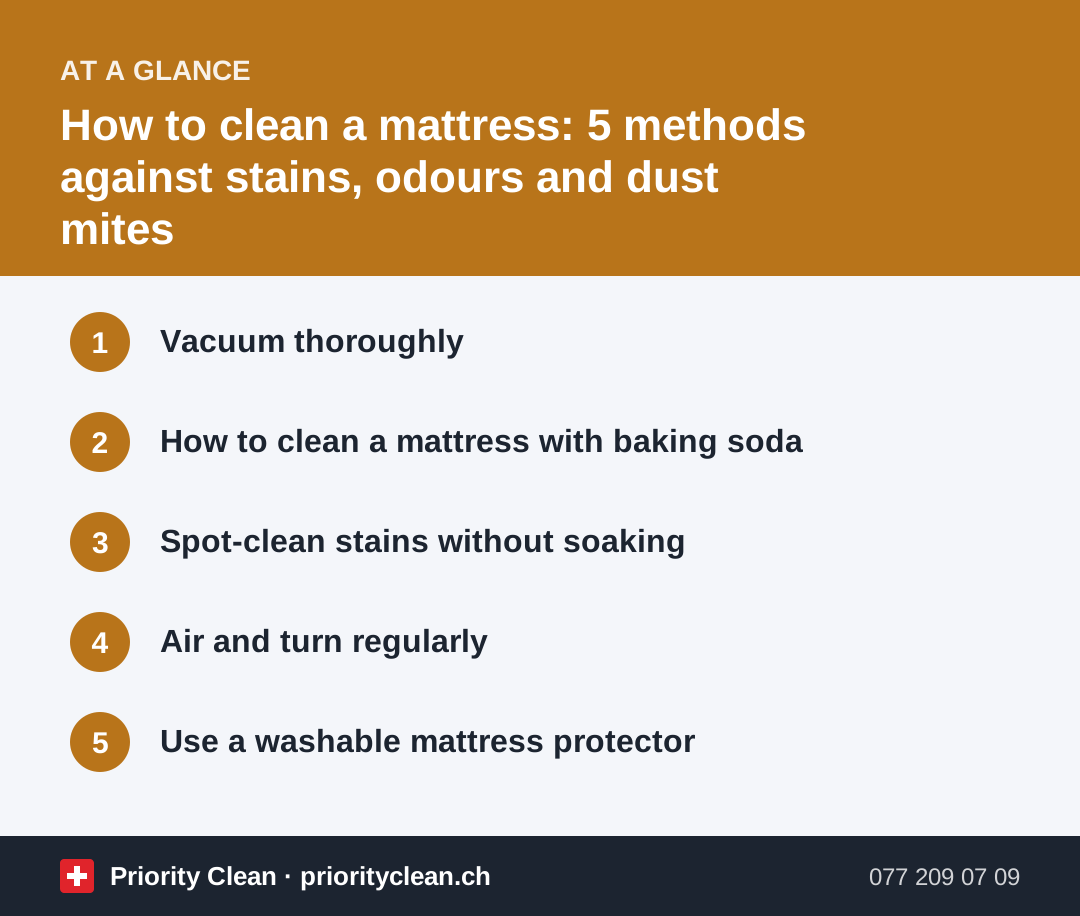
1. Vacuum thoroughly
This is the basis of every mattress clean.
- Strip the bed and put the bedding in the wash.
- Use a clean upholstery nozzle or a special mattress attachment on the vacuum cleaner.
- Vacuum slowly in overlapping lines across the whole surface.
- Go carefully along the seams, piping and edges, where dust collects.
- Turn it over and repeat on the other side if it is double-sided.
A vacuum cleaner with a good filter keeps fine dust from being blown back into the room.
2. How to clean a mattress with baking soda
Baking soda (Natron) absorbs moisture and helps neutralise odours.
- Sprinkle a thin, even layer of baking soda over the dry surface.
- Work it lightly into the fabric with a soft brush.
- Leave it for several hours – ideally while the room is aired and the sun shines in.
- Vacuum it off thoroughly.
Do not add essential oils directly; they can stain fabric and are not suitable for everyone.
3. Spot-clean stains without soaking
Moisture is the biggest enemy here. Liquid that penetrates the core dries slowly and can cause odours, water marks or mould.
- Fresh spills: Blot immediately with a dry, absorbent cloth. Press, do not rub.
- Sweat and water marks: Dab with a cloth dampened in lukewarm water with a small amount of mild detergent or wool detergent.
- Protein stains such as blood: Always use cold water, never hot, as heat sets the stain.
- Afterwards: Dab with a cloth dampened in clear water, then blot dry with a towel.
Let the spot dry completely before making the bed – a fan or an open window helps. Urine stains need their own approach, explained in our guide on urine on mattresses.
4. Air and turn regularly
Airing is one of the simplest ways to keep your bed fresh.
- Fold the duvet back in the morning instead of making the bed immediately, so moisture can escape.
- Air the bedroom fully a few times a day for several minutes; the FOPH explains how to air correctly.
- Turn or rotate the mattress every few months, if the manufacturer allows it, for even wear.
- Stand it upright near an open window from time to time to air both sides.
aha! recommends a bedroom temperature of around 18–20 °C and relative humidity of no more than 50 % for people with a dust mite allergy – helpful guidance for a fresh sleeping climate in general.
5. Use a washable mattress protector
The easiest mattress to clean is one that barely gets dirty. A washable protector or encasing between mattress and sheet catches sweat, spills and dust.
- Wash it according to the label, often every few weeks.
- Make sure it is completely dry before putting it back.
- For allergy sufferers, special mite-proof encasings are available in specialist shops.
Common mistakes when cleaning a mattress
- Using too much water or foam: Moisture in the core causes odours and marks.
- Steam cleaning foam mattresses: Heat and moisture can damage memory foam and latex.
- Rubbing stains: Spreads them and pushes them deeper.
- Hot water on blood or protein stains: Sets the stain permanently.
- Covering a damp mattress: Traps moisture under the sheet.
- Mixing cleaning products: Never combine different stain removers or bleach with other products.
For more ways to reduce dust in the bedroom, see our guide on reducing house dust mites.
Frequently asked questions
How often should I clean my mattress?
Vacuuming once a month and a thorough clean with baking soda and airing about twice a year is a good routine for most households. Wash the protector every few weeks.
How do I get rid of yellow stains on a mattress?
Dab the stain with a cloth dampened in lukewarm water and a little mild detergent, then dab with clear water and blot dry. Old yellow marks from sweat may lighten but not always disappear completely.
Can I use a steam cleaner on my mattress?
It is generally not recommended for foam, memory foam or latex mattresses, as heat and moisture can damage the material. Check the manufacturer's instructions first.
Does baking soda really clean a mattress?
Baking soda helps absorb moisture and odours on the surface. It does not remove deep stains, but combined with vacuuming and airing it makes it noticeably fresher.
Thanks for your feedback! Feel free to share the guide.
Thanks! What was missing? Drop us a line – we will improve the guide. WhatsApp