The extractor hood catches grease every time you fry, roast or boil – until its filters are so clogged that it hardly pulls any air. Sticky filters also drip, smell and, in the worst case, add fuel to a kitchen fire. The good news: most filters are easy to remove, and you can clean extractor hood filters with hot water, washing-up liquid and a little patience. Here are five methods, from the dishwasher to a baking soda bath, plus what to do with carbon filters.
Why extractor hood filters get so greasy
When you cook, tiny droplets of fat rise with the steam. The metal grease filter traps them before they reach the fan and ducts. Over weeks, a sticky layer forms that attracts dust and turns brown. Air flow drops, the hood gets louder and cooking smells linger.
There is a safety aspect too. The fire prevention advisory office BFB warns of fire hazards in the kitchen: never leave hot hobs unattended and never try to extinguish burning fat with water. A hood full of old grease makes a small pan fire more dangerous.
Know your filter type
| Filter type | What it looks like | Cleaning |
|---|---|---|
| Metal mesh filter | Several layers of fine aluminium or steel mesh | Wash by hand or in the dishwasher (if allowed) |
| Baffle filter | Stainless steel slats | Robust, usually dishwasher-safe |
| Fleece filter | Soft paper or fleece mat | Cannot be cleaned – replace |
| Carbon filter | Block or cassette with activated charcoal, behind the grease filter | Replace; some models can be regenerated as per manual |
Recirculating hoods (without an outside duct) have both a grease filter and a carbon filter. Extraction hoods with a duct usually have only a grease filter.
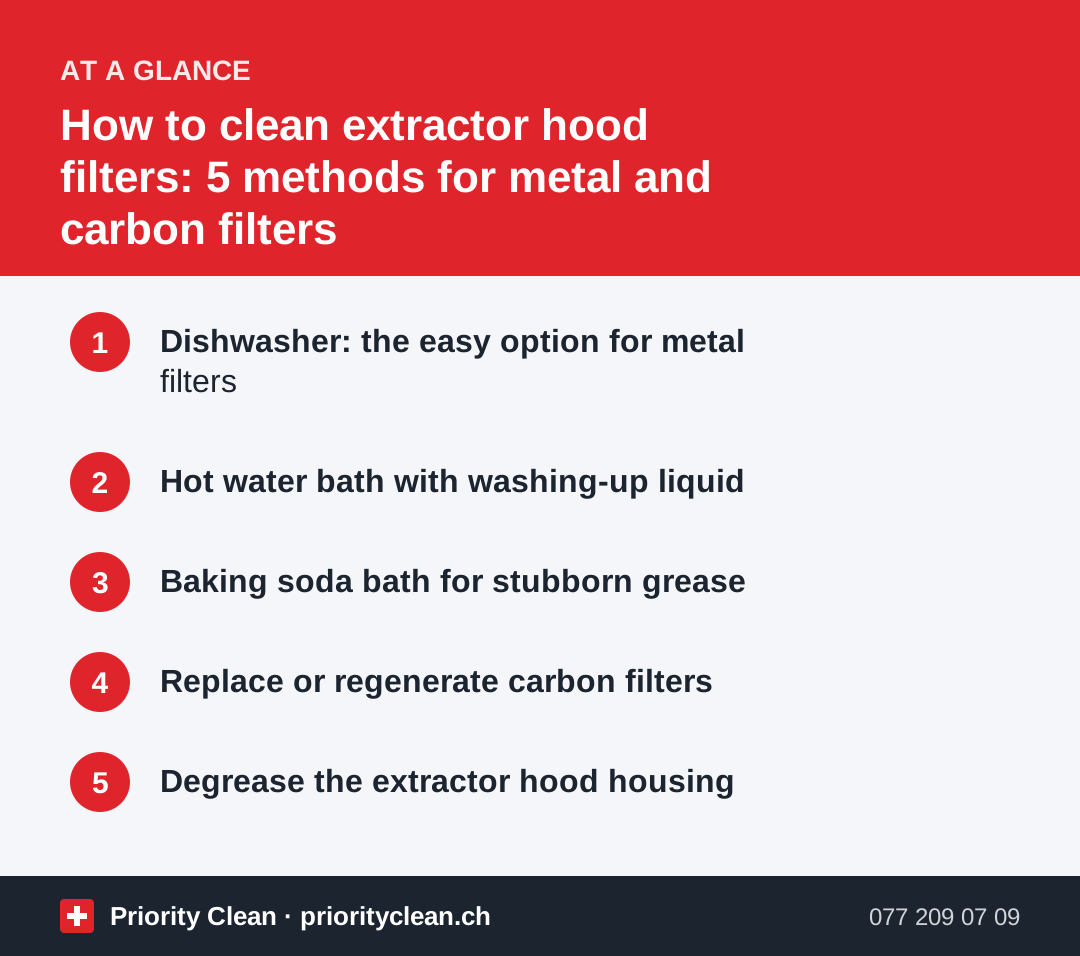
1. Dishwasher: the easy option for metal filters
Many manufacturers approve their metal filters for the dishwasher.
- Switch off the hood and let it cool.
- Release the filters using the catch and lift them out carefully.
- Place them upright in the lower basket, ideally on their own or with only lightly soiled items.
- Run an intensive or normal programme, following the manual.
- Let the filters dry completely before refitting.
Aluminium filters can darken slightly in the dishwasher. This does not affect their function, but check the manual if you want to avoid it.
2. Hot water bath with washing-up liquid
If filters are not dishwasher-safe, or you prefer to clean by hand:
- Fill the sink or a large tub with very hot water.
- Add a generous squirt of washing-up liquid.
- Submerge the filters and leave them for 15–30 minutes.
- Brush along the mesh in both directions with a soft brush.
- Rinse with hot water and let them drip-dry.
Repeat if necessary. This gentle method suits all metal filters.
3. Baking soda bath for stubborn grease
For filters that have not been cleaned for a long time, baking soda helps loosen old, sticky grease.
- Fill a large pot or tub with very hot water – take care to avoid scalding.
- Stir in a few tablespoons of baking soda (Natron) gradually, as it may fizz.
- Place the filters in the solution for about 15–30 minutes.
- Brush, rinse with hot water and dry.
Aluminium can discolour with alkaline solutions, so keep contact time short and test on a small area first if your filter is aluminium.
4. Replace or regenerate carbon filters
Activated carbon filters absorb odours, not grease. Once saturated, they stop working – and washing them in water usually destroys them.
- Check the manual for the replacement interval, often stated as months of use.
- Buy the matching model number from a specialist retailer or the manufacturer.
- Some special carbon filters are labelled as regenerable in the oven; follow the manufacturer's instructions exactly.
- Dispose of old carbon filters with household waste unless your commune says otherwise.
5. Degrease the extractor hood housing
Clean filters in a greasy hood will soon be dirty again. Clean the housing in the same session:
- Wipe the inside of the hood with hot water and washing-up liquid, working in sections.
- Clean the outside according to the material: stainless steel in the direction of the grain, glass with a glass cloth, painted surfaces gently.
- Wipe the lights and the control panel with a well-wrung cloth only – no water should get into electrical parts.
- Degrease the wall tiles and the top of wall units above the hood.
Commercial degreasers and oven cleaners can be corrosive; Tox Info Suisse warns about the risk of chemical burns with oven and grill cleaners. If you use them, wear gloves and eye protection, air the kitchen and keep them away from aluminium filters unless the label allows it.
Extractor hoods at the flat handover
At a Swiss handover inspection, the hood is one of the kitchen's standard checkpoints. The homeowners' association HEV explicitly mentions removing grease from the extractor hood when handing back a flat. Plan to clean or replace filters a few days before, together with the oven – see our guide on how to clean an oven – and tick both off on your end of tenancy cleaning checklist.
Common mistakes
- Waiting until grease drips: Old grease takes far longer to remove and is a fire risk.
- Washing carbon filters in water: Usually destroys them.
- Wire brushes on mesh filters: Bend and tear the fine layers.
- Refitting wet filters: Water can reach the motor and electrics.
- Aggressive oven cleaner on aluminium: Causes dark stains and corrosion.
Frequently asked questions
How often should extractor hood filters be cleaned?
With regular cooking, every two to four weeks is a good guide for metal grease filters. If you fry often, clean them more frequently. Carbon filters are replaced according to the manufacturer's interval.
Can I put extractor hood filters in the dishwasher?
Many metal and stainless steel filters are dishwasher-safe, but check the manual first. Aluminium filters may darken slightly, which does not affect their function.
How do I remove thick grease from hood filters?
Soak them in very hot water with washing-up liquid or baking soda for 15–30 minutes, brush gently along the mesh and rinse with hot water. Repeat if needed.
Can carbon filters be cleaned?
Most carbon filters cannot be washed and must be replaced. Some special models can be regenerated in the oven, but only if the manufacturer explicitly says so.
Thanks for your feedback! Feel free to share the guide.
Thanks! What was missing? Drop us a line – we will improve the guide. WhatsApp