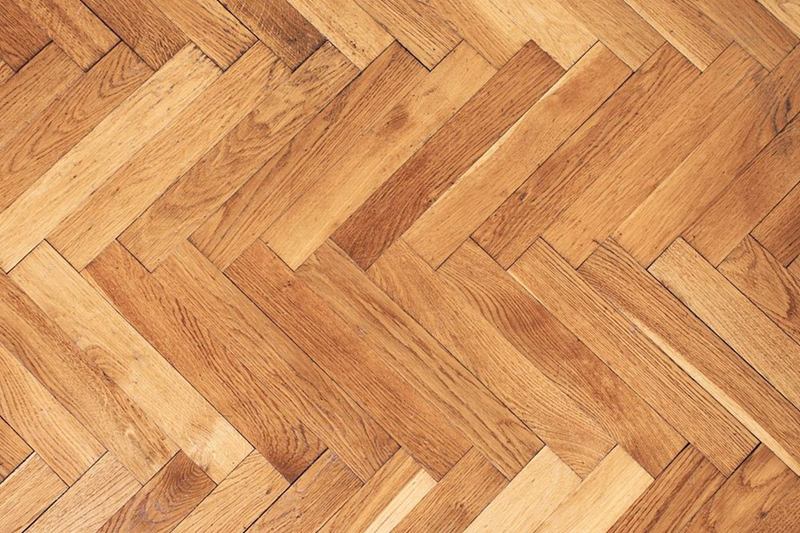
Parquet is found in many Swiss apartments, from old buildings with herringbone patterns to new builds with wide oak planks. It is warm, durable and beautiful – but it does not forgive too much water, grit or the wrong cleaning product. Knowing how to clean parquet floors correctly starts with one question: is your floor sealed or oiled? The answer determines which products you use and how you care for it. Here are five rules we follow in our daily work.
Sealed or oiled? Find out first
Parquet surfaces are protected either by a lacquer (sealed) or by oil or oil-wax that penetrates the wood (oiled). They look similar at first glance but need different care.
| Sealed (lacquered) parquet | Oiled parquet | |
|---|---|---|
| Surface | Closed film, often slightly shiny or silky matt | Open pores, natural, matt |
| Water drop test | Drop stays on the surface as a bead | Drop is slowly absorbed, wood darkens slightly |
| Regular cleaning | Barely damp, mild wood floor cleaner | Barely damp, wood floor soap |
| Occasional care | Care product for sealed floors, as per manufacturer | Refresh with care oil as per manufacturer |
| Scratches | Visible in the lacquer layer | Can often be touched up locally |
The water drop test shows roughly how your floor is finished, but it is only an indication. If you rent, ask the property management or look for care instructions from the previous tenant or manufacturer – especially before using care products.
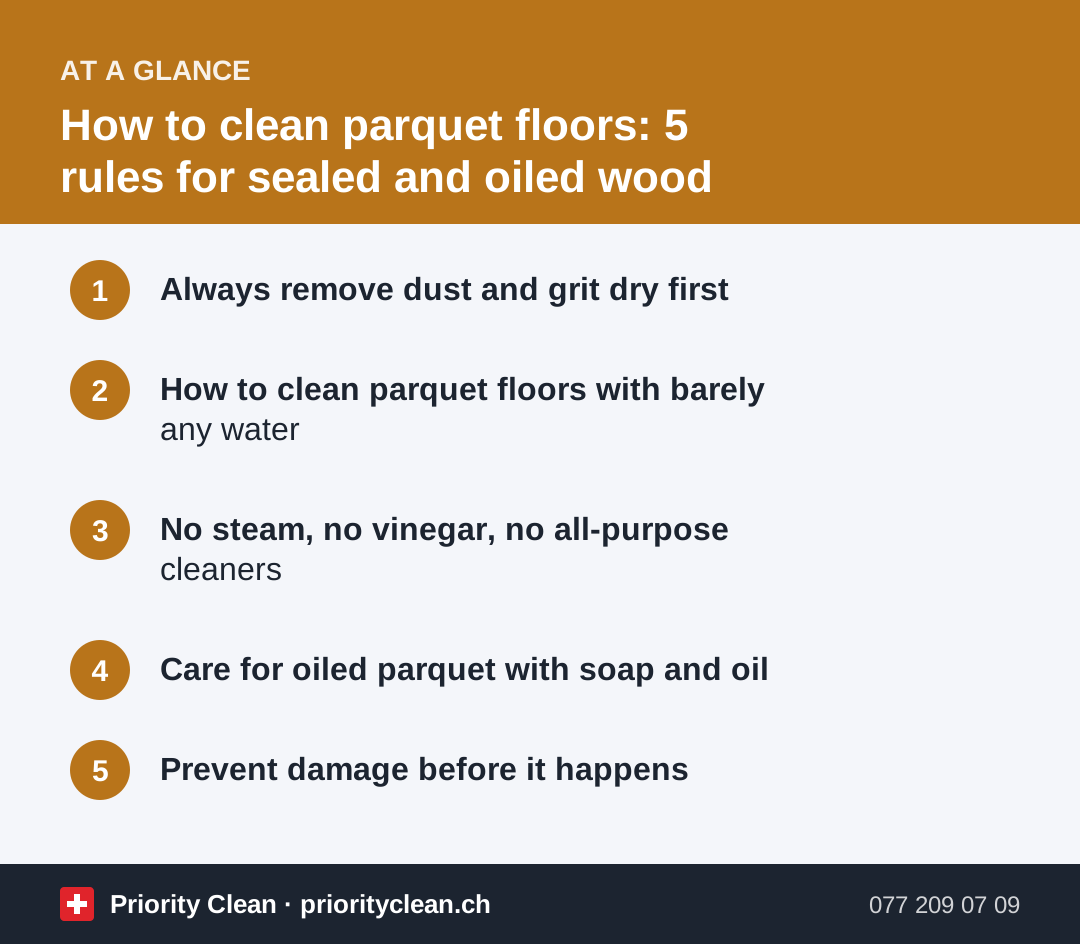
1. Always remove dust and grit dry first
Sand and small stones brought in on shoes are the biggest enemy of wooden floors. Under your feet or a mop, they scratch the surface.
- Vacuum with a soft parquet brush attachment, not with the hard floor setting that has stiff bristles or rollers.
- Alternatively, use a microfibre dust mop.
- Pay attention to entrances, the area under the dining table and along skirting boards.
Robot vacuums are fine for daily dust, provided their brushes are clean and soft.
2. How to clean parquet floors with barely any water
Wood swells when it absorbs water, and repeated wetting leads to gaps, raised edges and grey joints. Mop parquet only when needed and only barely damp.
- Fill a bucket with lukewarm water and add a small amount of wood floor cleaner or wood floor soap, as stated on the label.
- Dip the microfibre mop and wring it out so well that it feels almost dry.
- Wipe in the direction of the wood grain.
- Rinse and wring the mop frequently.
- The floor should be dry within a minute or two. If it stays wet longer, you are using too much water.
Wipe up spills immediately, and never leave wet towels, plant pots without saucers or pet water bowls directly on the floor.
3. No steam, no vinegar, no all-purpose cleaners
Some cleaning methods that work well on tiles damage wooden floors:
- Steam cleaners: Heat and moisture penetrate joints and can make the wood swell, lift or crack.
- Vinegar, citric acid and harsh cleaners: Can dull the lacquer or strip oil from the surface.
- Microfibre cloths soaked in water: Too wet, even if the cloth is soft.
- Wax-based polishes on sealed floors: Can leave slippery, streaky layers that are hard to remove.
- Scouring pads: Scratch both sealed and oiled surfaces.
When in doubt, choose products labelled for your type of parquet and test on an inconspicuous spot, such as inside a wardrobe.
4. Care for oiled parquet with soap and oil
Oiled parquet needs regular care to keep its protective layer intact.
- Wood floor soap: Add it to the mopping water. It cleans gently and leaves a thin protective film.
- Refreshing with oil: When the surface looks dry, grey or patchy, apply care oil as the manufacturer describes, usually in a thin layer, and polish off the excess.
- Spot repairs: Light scratches and dry spots on oiled floors can often be treated locally.
5. Prevent damage before it happens
Prevention is how you keep cleaning simple – good habits save a lot of cleaning and repair work:
- Stick felt pads under chairs, tables and sofas and replace them when worn.
- Place a doormat inside and outside the front door to catch grit.
- Use a protective mat under office chairs with castors.
- Take off shoes with stones in the treads, and avoid stiletto heels on soft woods.
- Keep indoor air moderately humid; very dry heating air can cause gaps between boards.
- Protect the floor from strong sunlight with blinds or curtains to reduce uneven fading.
In a rental, scratches from normal living are usually part of normal wear and tear, while deep damage or water stains can be assessed differently. The joint life-expectancy table of tenants' and homeowners' associations helps to assess the remaining value of floors and their surface treatment.
Common mistakes
- Too much water: The number one cause of swelling, gaps and grey joints.
- Steam mops: Damage that often only becomes visible weeks later.
- Wrong product for the surface: Oil soap on sealed floors or lacquer care on oiled floors gives patchy results.
- Dragging furniture: Leaves scratches that no cleaner removes.
- Throwing oily cloths in the bin: A fire risk.
Parquet's cousins need different care – see our guide on cleaning laminate floors. For white rings and dark marks on wood, read our article on water stains on wood.
Frequently asked questions
What is the best way to clean parquet floors?
Vacuum or dust-mop first to remove grit, then mop only barely damp with lukewarm water and a cleaner suited to your floor type – a wood floor cleaner for sealed parquet or wood floor soap for oiled parquet. Wipe in the direction of the grain.
Can I use a steam mop on parquet?
It is not recommended. The heat and moisture can penetrate the joints and cause the wood to swell, lift or crack, even on sealed parquet.
How do I know if my parquet is oiled or sealed?
As a rough test, place a drop of water on an inconspicuous spot. If it stays on the surface as a bead, the floor is probably sealed; if it is slowly absorbed and darkens the wood, it is probably oiled. Ask the property management or manufacturer to be sure.
Can I clean parquet with vinegar?
It is better not to. Vinegar can dull lacquer and remove oil from the surface over time. Use products specifically made for wooden floors instead.
Thanks for your feedback! Feel free to share the guide.
Thanks! What was missing? Drop us a line – we will improve the guide. WhatsApp