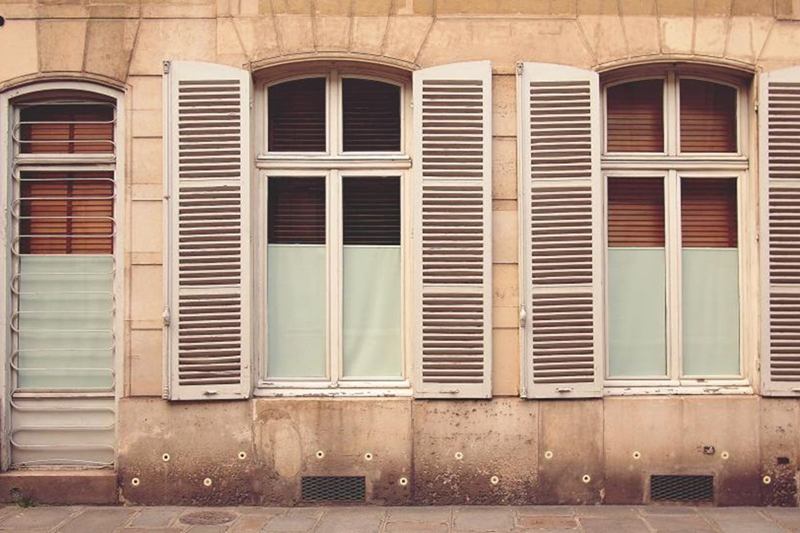
Almost every Swiss flat has them: external venetian blinds with metal slats, roller shutters or fabric awnings on the balcony. In German they are all called Storen, and at the handover inspection they are among the first things a property manager lowers and looks at. So when it comes to cleaning blinds, tenant or landlord – who is responsible? And what about a broken strap or a motor that no longer works? Here are five answers. They are general; your lease and house rules are decisive.
Why blinds are a handover hotspot
Blinds are exposed to weather all year. Dust, pollen, soot and insects stick to the slats and the fabric, and in the retracted position the dirt is invisible – until someone lowers them. The homeowners' association HEV explicitly lists shutters and blinds among the things a tenant cleans before handing back the flat.
A property manager will typically lower the blinds, tilt the slats and run a finger along them. Dust or dirty streaks on the inside of the slats are noted in the protocol – and can lead to re-cleaning or cleaning costs.
1. Cleaning: tenant or landlord?
During the tenancy, keeping blinds reasonably clean is part of normal use. When you move out, blinds are usually included in the cleaning of the flat, just like windows and frames. If your lease or handover instructions mention blinds, follow them exactly.
| Type of blind | Usually expected at handover |
|---|---|
| External venetian blinds (metal slats) | Slats clean on both sides, guide rails wiped |
| Roller shutters | Visible slats clean, rails free of dirt |
| Fabric awnings and fabric blinds | Brushed clean; stains treated if possible as per instructions |
| Internal blinds and pleated blinds | Dust-free, fabric clean |
In buildings where blinds can only be reached from outside, for example high up or above a steep slope, ask the property management how they handle it. Sometimes this is organised centrally.
2. Repairs: who pays for broken blinds?
Cleaning and repairs are two different questions. Under Art. 259 of the Code of Obligations, the tenant must remedy, at their own cost, defects that can be fixed by minor cleaning or small repairs needed for normal maintenance, according to local custom.
- Minor repairs, depending on local practice and the lease, may include small things such as replacing a worn pull strap.
- Larger repairs such as a broken motor, bent guide rails or a worn-out roller mechanism are generally the landlord's responsibility – unless the tenant caused the damage.
- Damage caused by the tenant, for example by operating blinds in a storm or forcing them when frozen, can be charged, usually only at the remaining value.
Report defects in writing as soon as you notice them, not just at the handover. That avoids discussion about when and how the damage occurred.
3. How to clean external venetian blinds
External venetian blinds with metal slats are the most common type on Swiss apartment buildings.
- Lower the blinds completely and close the slats.
- Remove loose dust with a soft brush or a vacuum with a brush attachment, working from top to bottom.
- Wipe each slat with a microfibre cloth dampened in warm water and a little washing-up liquid.
- Open the slats to the other angle and clean the other side.
- Wipe the guide rails and the bottom rail.
- Let everything dry before retracting the blinds.
Do not use a high-pressure cleaner or abrasive products: they damage the coating, bend slats and can harm the tapes and cords. For a detailed guide, see our article on cleaning venetian blinds.
4. Roller shutters, awnings and fabric blinds
- Roller shutters: Lower them almost completely but leave the ventilation slits open, then wipe the slats with a damp cloth. Clean the rails with a brush or crevice nozzle.
- Fabric awnings and fabric blinds: Brush off dust dry when the fabric is dry. Treat stains with lukewarm water and a mild detergent only if the manufacturer allows it, and let the fabric dry fully before retracting.
- Fly screens: Often mounted in the same frame – our guide on cleaning fly screens explains how.
Never retract fabric while it is wet, as mould and stains can develop.
5. Safety first: when to leave it to professionals
Blinds are often only reachable from the window opening, which makes them risky to clean.
- Do not lean out of windows or climb onto window sills.
- Use a stable step ladder with a safety bar for ground-floor or balcony blinds – the BFU explains what to look for in a step ladder.
- Do not clean blinds on upper floors from outside without proper access equipment.
- Switch off motorised blinds before cleaning to avoid trapping your fingers.
If blinds cannot be reached safely, professional window cleaners have the right equipment and experience.
Common mistakes
- Cleaning only the visible side: The slat side facing the window is exactly what gets checked.
- High-pressure cleaners: Bend slats and damage coatings and cords.
- Retracting wet blinds or awnings: Causes water marks and musty smells.
- Keeping quiet about defects: Late reporting makes it harder to show the damage was not yours.
- Risky climbing: No handover is worth a fall.
Blinds are one item on a long list – see our full end of tenancy cleaning checklist.
Frequently asked questions
Does the tenant have to clean the blinds when moving out in Switzerland?
Generally yes, blinds are usually part of the move-out cleaning, along with windows and frames. The exact requirements depend on your lease and the property management's instructions.
Who pays for a broken blind in a rented flat?
It depends on the defect. Small repairs for normal maintenance can fall to the tenant according to local custom; larger repairs are generally the landlord's responsibility, unless the tenant caused the damage. Report defects in writing.
How do I clean external venetian blinds?
Lower them fully, dust them from top to bottom, wipe each slat on both sides with a cloth dampened in mild soapy water, clean the rails and let everything dry before retracting.
Can I use a pressure washer on blinds?
It is not recommended. The strong jet can bend slats, damage the coating and harm cords and tapes. A soft brush and a damp microfibre cloth are safer.
Thanks for your feedback! Feel free to share the guide.
Thanks! What was missing? Drop us a line – we will improve the guide. WhatsApp