In most Swiss apartment buildings, your flat comes with a cellar compartment and sometimes an attic storage space. They are convenient – until you move out and realise how much has accumulated behind the wooden slats. Ancillary rooms are part of the handover, so you need to clear out the basement and attic completely and leave them clean. Disposal in Switzerland follows clear rules, and they differ by commune. These five steps help you get it done without last-minute stress.
Why you need to clear out the basement before the handover
At a Swiss handover inspection, the property management does not just look at the flat. The cellar compartment, attic space, letterbox, garage or parking space are checked too. The tenants' association lists these ancillary rooms in its leaflet on move-out cleaning as part of what needs to be cleaned.
Items left behind usually have to be removed at the tenant's expense. And unlike the flat, where most things are packed anyway, the cellar is where forgotten paint tins, old skis and broken appliances hide.
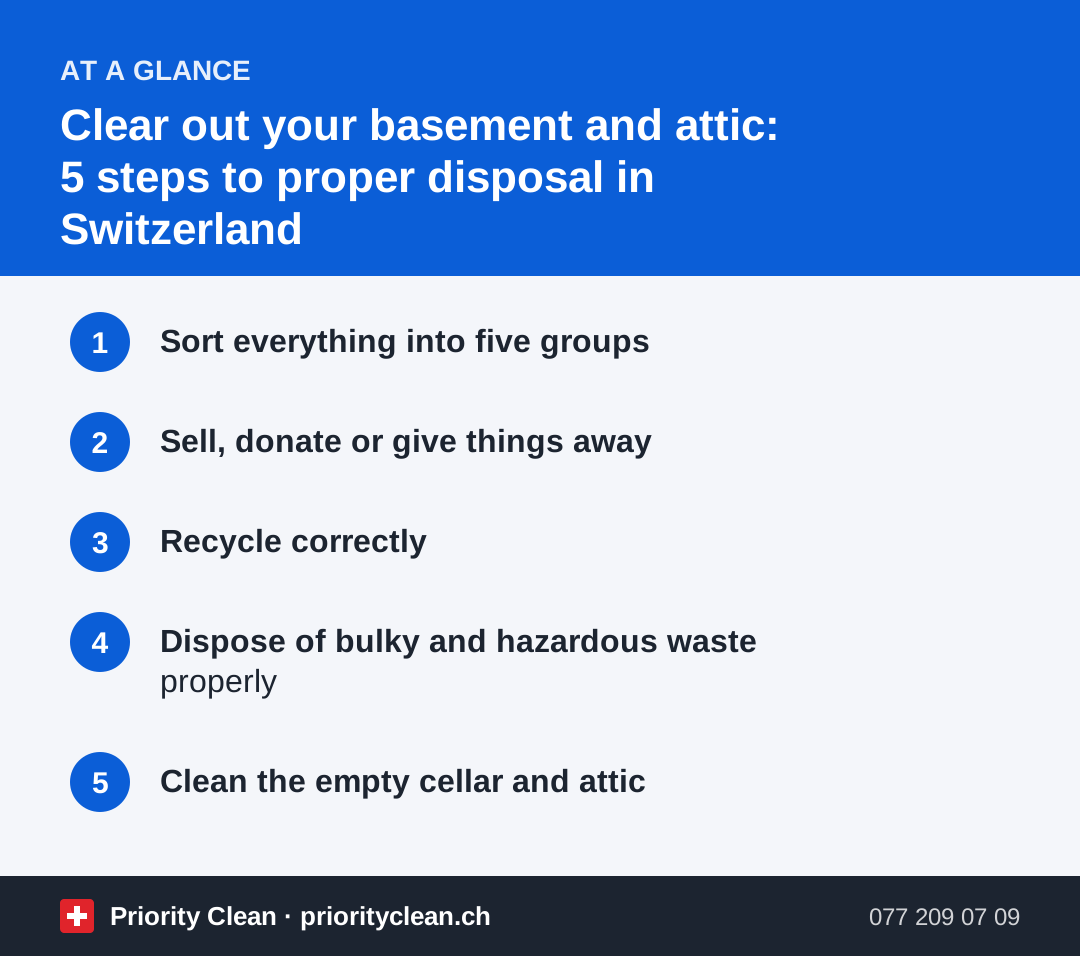
1. Sort everything into five groups
Take everything out – ideally on a dry day – and sort it into clearly marked areas or boxes:
| Group | Examples | Where it goes |
|---|---|---|
| Keep | Seasonal items, tools, documents | New home |
| Sell or give away | Furniture, sports equipment, toys | Online marketplaces, second-hand shops, friends |
| Recycle | Paper, cardboard, glass, metal, electrical appliances | Collection points, retailers |
| Bulky waste | Old mattresses, broken furniture | Commune bulky waste collection or waste centre |
| Hazardous waste | Paints, solvents, chemicals, batteries | Collection points, retailers |
Be honest when deciding what to keep. If a box has not been opened since your last move, the new cellar will not change that.
2. Sell, donate or give things away
Much of what is in a cellar is still usable. In Switzerland, second-hand shops – often called Brockenhaus or brocante – accept many household goods, furniture and books; some collect larger items, usually by appointment. Charities, neighbourhood groups and online marketplaces are other good options.
Check condition before donating: second-hand shops typically refuse damaged, dirty or incomplete items. Everything they cannot sell creates disposal costs for them.
3. Recycle correctly
Swiss recycling is well organised, but it works by separating materials. Swiss Recycle gives an overview of what is collected where:
- Paper and cardboard: Bundled and tied, on the commune's collection days.
- Glass: Sorted by colour at glass collection points.
- Metal and aluminium: Collection points or waste centres.
- Electrical and electronic appliances: Can be returned to shops that sell similar appliances, or to collection points.
- Batteries: Collection boxes in shops.
- Textiles and shoes: Textile collection containers if still wearable.
Your commune's waste calendar or app tells you where the local collection points are and on which days.
4. Dispose of bulky and hazardous waste properly
Bulky waste – items too large for a standard waste bag – is handled differently from commune to commune. Some have collection days with special stickers or fees, others require you to take items to a waste centre. Check your commune's website early, as collection dates may be weeks apart.
Hazardous waste is where cellar clear-outs often go wrong. Leftover wall paint, varnish, wood stain, solvents, acids, descalers, pesticides and spray cans must not go in household waste or down the drain. The Federal Office for the Environment explains that such chemicals are hazardous waste and should be returned to retailers, collection points or special collection days.
5. Clean the empty cellar and attic
Once everything is out, the space needs cleaning before the handover.
- Wear a dust mask and gloves – attics and cellars are often very dusty.
- Remove cobwebs from ceilings, corners and light fittings.
- Sweep or vacuum the floor thoroughly, including corners and under shelves.
- Wipe shelves, slatted walls and the door or gate of the compartment.
- Check for damp spots or mould and report them to the property management rather than hiding them.
- Leave the compartment unlocked or return the padlock key, as agreed.
Ask whether shelves you installed yourself should be removed. If the cellar smells musty, our guide on removing cellar odours explains the causes.
Common mistakes
- Starting a few days before the handover: Bulky waste dates and second-hand collections may not fit.
- Leaving items "for the next tenant": Usually not welcome and can lead to disposal costs.
- Putting paint tins in household waste: Hazardous waste must go to a collection point.
- Using someone else's cellar compartment as interim storage: Causes conflict with neighbours.
- Forgetting the attic, garage or bicycle room: Check every space you used.
Clearing out the basement is one phase of the move – see our full moving checklist for Switzerland for the rest, and our end of tenancy cleaning checklist for the flat itself.
Frequently asked questions
Do I have to clean the cellar when moving out in Switzerland?
In most cases, yes. Ancillary rooms such as the cellar compartment, attic space and letterbox are part of the handover and are expected to be cleared and cleaned. Your lease and the property management's instructions are decisive.
How do I dispose of bulky waste in Switzerland?
It depends on your commune. Some offer bulky waste collection days with stickers or fees; others require you to take items to a waste centre. Check your commune's website or waste calendar.
Where can I dispose of old paint in Switzerland?
Leftover paints, varnishes and solvents are hazardous waste. Return them to a retailer that sells such products, a collection point or a special hazardous waste collection day in your commune.
What can I do with usable furniture when moving out?
Sell it online, give it away or bring it to a second-hand shop. Many shops only accept items in good condition, and some collect larger furniture by appointment.
Thanks for your feedback! Feel free to share the guide.
Thanks! What was missing? Drop us a line – we will improve the guide. WhatsApp