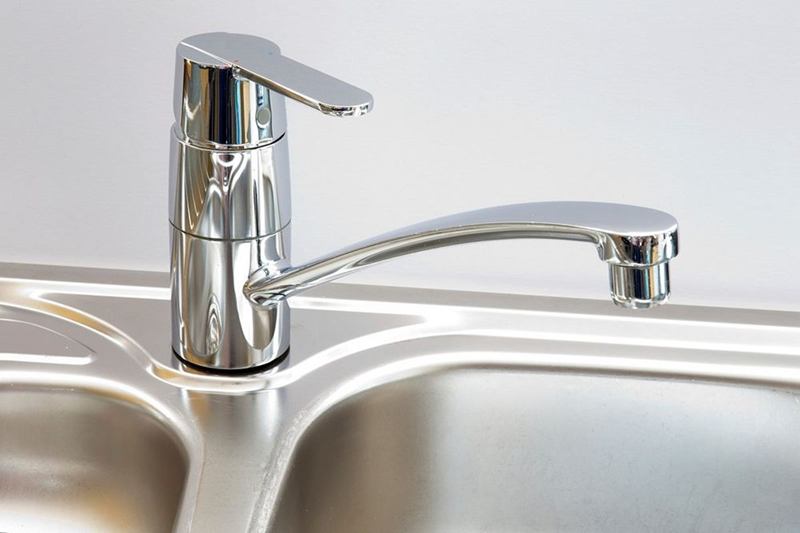
A tap is used dozens of times a day, and every drop that dries on it leaves a trace of minerals behind. In many parts of Switzerland, the water is hard, so white rings, crusty aerators and dull chrome appear quickly. At a flat handover, limescale on taps is one of the first things a property manager notices. The good news: you can remove limescale from taps with vinegar or citric acid and a bit of soaking time – no scratching required. Here are five tricks that work.
Why limescale builds up on taps
Hard water contains dissolved calcium and magnesium. When water evaporates, these minerals are left behind as a white or greyish deposit. The harder the water, the faster the build-up. Water hardness in Switzerland is usually given in French degrees (°fH), ranging from soft to very hard, as the Canton of Zurich's laboratory explains in its overview.
You can look up the water hardness for your postcode on the Swiss drinking water platform. If you live in an area with hard water, a short weekly routine saves you a lot of descaling later.
Which method for which part?
| Part of the tap | Best trick | Soaking time |
|---|---|---|
| Aerator (the small insert at the spout) | Unscrew and soak in vinegar or citric acid | 30 minutes to a few hours |
| Spout | Bag or cloth wrap with acid | 30–60 minutes |
| Tap base and lever | Citric acid cloth compress | 15–30 minutes |
| Light marks on chrome | Diluted citric acid spray, then dry | 5–10 minutes |
| Pull-out spray heads | Rub nozzles, soak if removable | As per manufacturer |
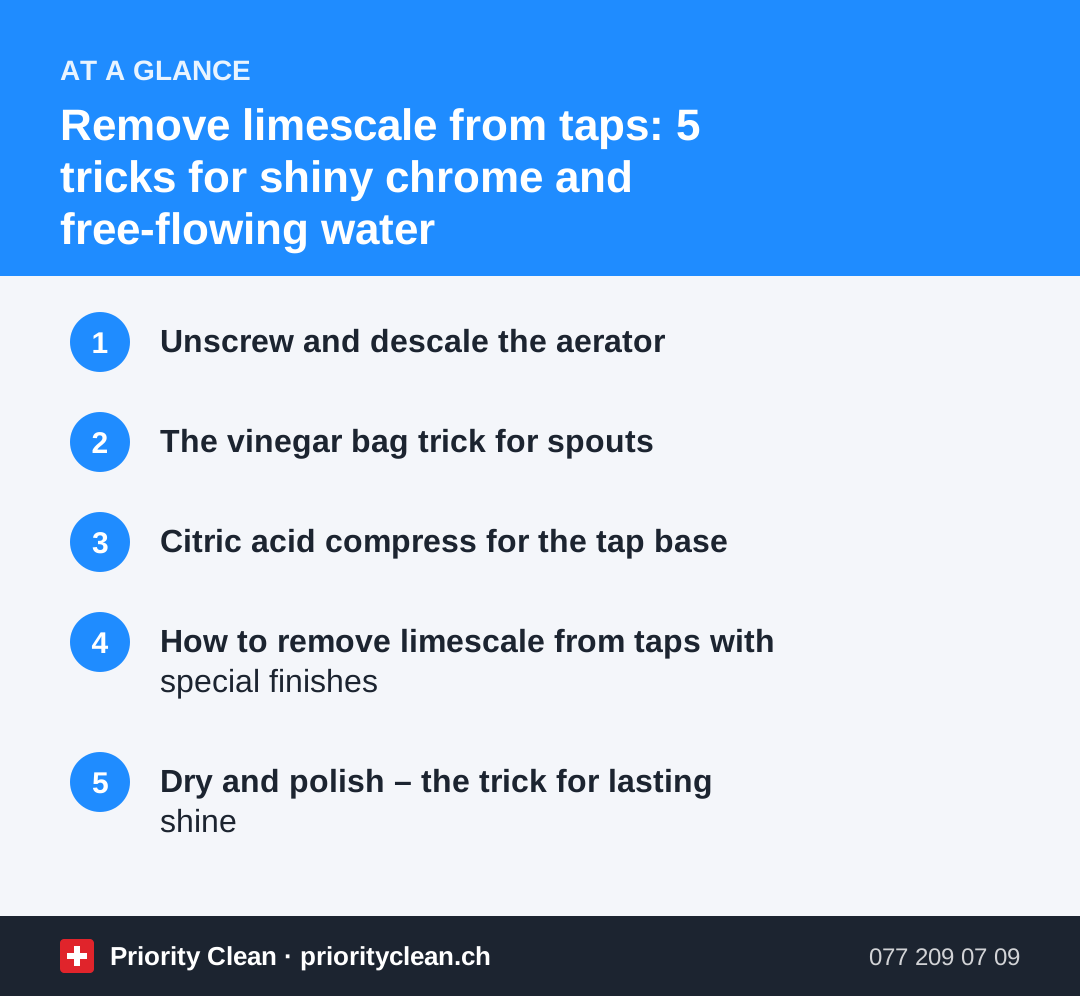
1. Unscrew and descale the aerator
The aerator mixes air into the water jet. When it is blocked with limescale, the water splutters or sprays sideways.
- Unscrew the aerator by hand, turning anticlockwise. If it is stuck, wrap a cloth around it and use pliers very gently, or use the special key supplied with many taps.
- Take out the small sieve and inserts, noting the order.
- Place the parts in a small bowl of household vinegar or a citric acid solution.
- Leave for at least 30 minutes – heavily scaled parts can stay a few hours.
- Brush with an old toothbrush, rinse and screw back on.
2. The vinegar bag trick for spouts
For spouts where the aerator cannot be removed, or for shower heads on a rail:
- Fill a small freezer bag with household vinegar or citric acid solution.
- Pull it over the spout so the opening is submerged.
- Fix it with a rubber band or hair tie.
- Leave for 30–60 minutes.
- Remove the bag, rub the nozzles with a soft cloth, rinse by running water and dry the surface.
Keep the soaking time moderate on taps with coated finishes, and check that the bag does not touch natural stone surfaces.
3. Citric acid compress for the tap base
The worst deposits often sit where the tap meets the washbasin or worktop, and around the lever joint.
- Dissolve 2 tablespoons of citric acid in 500 ml of lukewarm water.
- Soak kitchen paper or a thin cloth in the solution.
- Wrap it around the tap base and lever and press it into the crevices.
- Leave for 15–30 minutes, keeping it damp.
- Remove, wipe with a soft cloth, rinse with clear water and dry.
For crevices, a soft toothbrush or wooden toothpick helps. Never use metal tools, which scratch the chrome.
4. How to remove limescale from taps with special finishes
Not every tap is chrome. Brushed stainless steel, matt black, gold-coloured, copper or real brass taps are increasingly common, and many of these coatings are sensitive to acids and abrasives.
- Check the manufacturer's care instructions – often available online under the model name.
- Start with warm water and a mild washing-up liquid.
- If acids are allowed, dilute them well, keep the contact time short and rinse thoroughly.
- Test on a hidden spot, such as the back of the tap.
5. Dry and polish – the trick for lasting shine
Most limescale on taps appears because water dries on the surface. A dry tap stays shiny.
- Dry the tap with a microfibre cloth after use, at least in the evening.
- Once a week, spray a diluted citric acid solution, wipe after a few minutes, rinse and dry.
- Polish chrome with a dry microfibre cloth for a streak-free finish.
This takes less than a minute and prevents the thick crusts that need long soaking.
Common mistakes
- Scouring pads or steel wool: Scratch chrome permanently; scratched surfaces scale faster.
- Undiluted vinegar essence on seals and coatings: Can make rubber brittle and damage finishes.
- Letting acid dry on the tap: Leaves stains; always rinse and dry.
- Forgetting the aerator: The tap looks clean, but the jet still splutters.
- Acids near natural stone: Leaves dull etched marks that cannot be wiped away.
At a Swiss flat handover, property managers often turn on the tap and look at the jet – a clogged aerator is noticed immediately. Our end of tenancy cleaning checklist lists the other bathroom and kitchen checkpoints, and our guide on removing limescale in the shower covers glass walls and tiles.
Frequently asked questions
What is the best way to remove limescale from taps?
Soak kitchen paper or a cloth in a citric acid solution or vinegar, wrap it around the scaled areas for 15–60 minutes, then wipe with a soft cloth, rinse and dry. Unscrew aerators and soak them separately.
Is vinegar or citric acid better for descaling taps?
Both work. Citric acid is odourless and very effective; vinegar is handy and cheap. Dilute both, keep contact times moderate on coated finishes and always rinse afterwards.
How do I descale a tap aerator that won't unscrew?
Wrap a cloth around it and turn gently with pliers, or use the key supplied with the tap. If it is still stuck, use the vinegar bag method on the spout to loosen the limescale first.
Can I use limescale remover on black or gold taps?
Many special finishes are sensitive to acids. Check the manufacturer's care instructions, start with mild soapy water and test any descaler on a hidden spot first.
Thanks for your feedback! Feel free to share the guide.
Thanks! What was missing? Drop us a line – we will improve the guide. WhatsApp