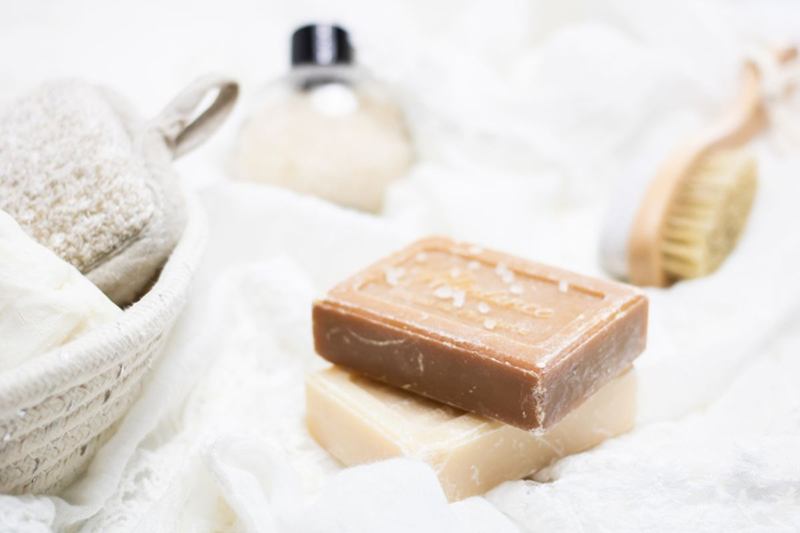
A plain bar for a few francs, a fixture in Swiss laundry rooms for generations: ox gall soap is one of the few household staples that works exactly where detergent alone gives up – on grease, protein and the ground-in grime of everyday life.
The reason lies in what is in it. The soap lifts dirt, and the ox bile added to it helps release fats and protein-based residue from the fibre. That only works, though, when temperature, contact time and fabric all line up. These five stains show how to get it right.
What ox gall soap is and why it works
Ox gall soap combines a hard curd soap with ox bile. The bile components improve wetting and help lift greasy and protein-based soiling out of the weave. One bar therefore covers a whole range of stains that would otherwise call for a separate spray each.
The Swiss consumer protection foundation shows how much can be handled with a few household staples instead of a shelf of specialist products. Ox gall soap belongs in that group: cheap, long-lasting and versatile – but no miracle worker. Rust, ballpoint ink and limescale stay well outside its range.
| Stain | Does ox gall soap help? | Water temperature |
|---|---|---|
| Grease, oil, sauce | very well | lukewarm |
| Grass | well | cold to lukewarm |
| Blood, egg, milk | well if fresh | always cold |
| Sweat marks and collars | well | lukewarm |
| Make-up, lipstick | well | lukewarm |
| Rust, ink, limescale | hardly at all | – |
Other household remedies that earn their place on stains are covered in home remedies for stains.
1. Grease stains on clothes and tablecloths
Blot the excess with kitchen paper first, without rubbing. Dampen the spot with lukewarm water, rub the bar straight onto the stain or spread the liquid version over it, and let it work briefly – the pack states how long.
Then rinse with lukewarm water and wash the item as usual. Before it goes in the tumble dryer, check that the mark has really gone: heat fixes any remainder permanently. More methods for older marks are in how to remove grease stains.
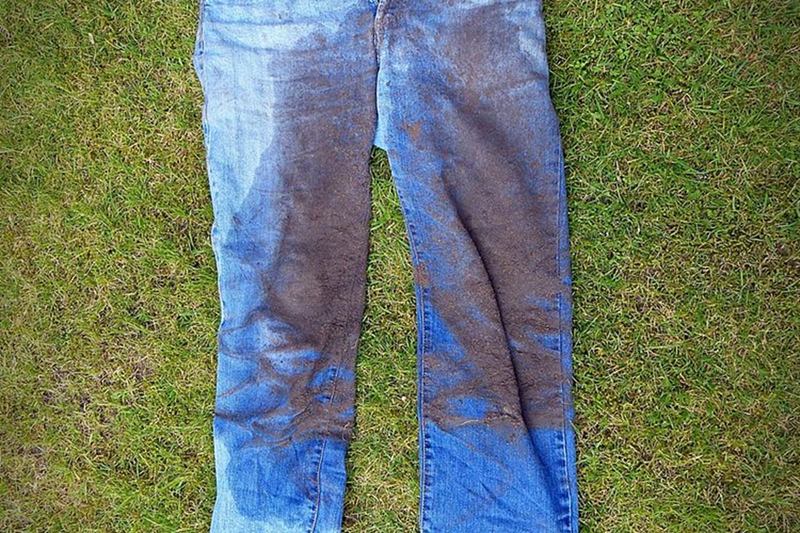
2. Grass stains on jeans and sports shirts
Grass stains are dyes that sink deep into the fibre, so ox gall soap needs a little patience here: dampen, rub in, leave briefly, rinse – and repeat if necessary rather than scrubbing hard once.
On jeans and sturdy cotton you can bring in a soft brush. On technical sports fabrics, work with your fingers only; the full approach is in how to remove grass stains.
3. Blood stains: always work cold
Blood is a protein stain. Warm water makes the protein coagulate and the mark settles in for good. So rinse fresh blood with cold water first, then rub in the ox gall soap, leave it briefly and rinse cold again.
Dried marks should be soaked in cold water beforehand. The same cold-water principle applies to egg, milk and egg-based sauces. The full procedure is described in remove blood stains.
4. Shirt collars and cuffs
The grey line along a collar is a mix of skin oils, sweat and dust – precisely ox gall soap territory. Dampen the collar, rub the bar evenly along its whole length, let it sit for a moment and then wash the shirt as usual.
With white shirts, this pre-treatment is worth doing before every wash rather than waiting until the mark is obvious. With coloured shirts the rule stands: test inside on the seam allowance first.
5. Make-up, lipstick and foundation
Foundation and lipstick contain oils and pigments. Carefully lift off any excess with the back of a spoon, dampen the area with lukewarm water and work the soap in with your fingers. Dab rather than rub, so you do not spread the pigment further.
On silk, wool and viscose, hold back: these fibres cope badly with friction and alkalinity. The care label says what is allowed, and the care symbols index explains, among other things, that hand washing is done at 40 °C at most without rubbing or wringing, and which items may only be cleaned professionally.
The most common mistakes
- Hot water on blood and egg: the protein coagulates and the mark stays for good.
- Scrubbing hard: on fine weaves this creates pilling and pale patches; dabbing achieves more.
- Letting it dry on: dried soap residue attracts dirt and leaves stiff, greyish areas.
- Straight into the tumble dryer: heat fixes every last trace. Check first, dry second.
- Skipping the test on colours: on dark natural fibres the treated area can turn lighter.
Frequently asked questions
How long should ox gall soap be left on?
Your product's packaging states the time, and it varies by manufacturer and by form, bar or liquid. The principle: leave it on briefly, but never let it dry. For a stubborn mark, two short treatments beat one very long one.
Can I use it on wool and silk?
Only with care, and only after testing on a hidden spot. These fibres react badly to friction and to alkaline products. Follow the care label: if it allows professional cleaning only, take the item to a dry cleaner.
Does ox gall soap work on old stains?
Sometimes. Older grease marks and collar lines often still respond; dried blood and grass much less so. Soak the item in cold water first and treat it several times rather than once aggressively.
Can ox gall soap be combined with other stain removers?
No, never mix two products. Apply them one after the other and rinse thoroughly with water in between, so that residues cannot interfere with each other.
Thanks for your feedback! Feel free to share the guide.
Thanks! What was missing? Drop us a line – we will improve the guide. WhatsApp