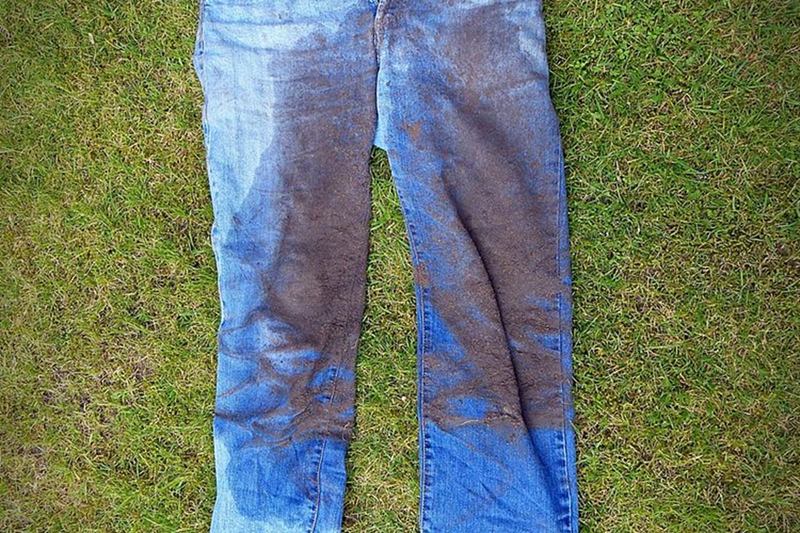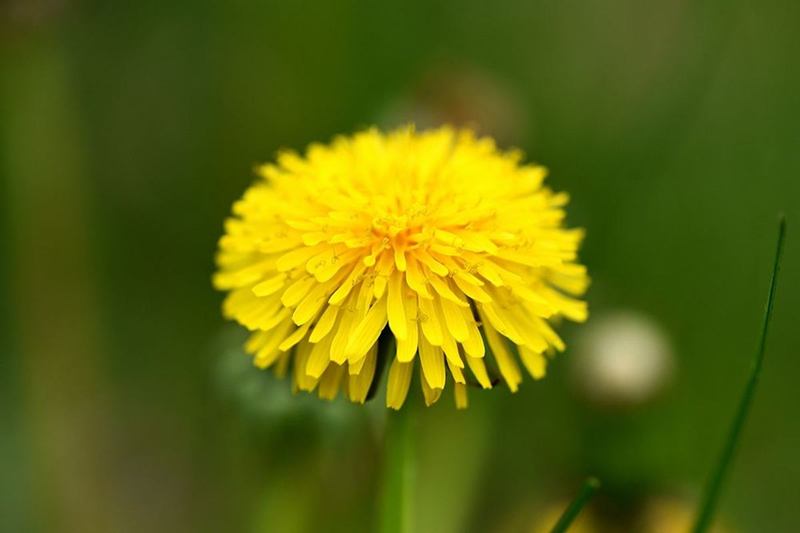
In April the meadow turns yellow, and back from playgroup come flower crowns, necklaces made of stems and a pair of trousers covered in mysterious brown dots. Dandelion stains give you two opponents at once: the sticky milky sap from the stem and the green plant pigments from flowers and leaves.
The good news: with a little fat, gall soap and cold water almost everything can be saved – provided you act early and resist the urge to wash it hot.
Why dandelion stains are so stubborn
When a dandelion stem snaps, a white milky sap runs out. It is viscous, contains rubber-like components and dries sticky. In the air it darkens: the colourless drop becomes a brown mark that water alone will no longer shift. On top of that come the green and yellow pigments from leaves and flowers, which behave much like grass stains.
That means two steps: something fatty for the sap first, then a soap for the pigments. Heading straight for a hot wash achieves the opposite, because warmth drives the stain deep into the fibres.
| Sign | What is behind it |
|---|---|
| Sticky brownish dots | Dried sap from the stems |
| Greenish-yellow smears | Pigments from flowers and leaves |
| Mark darkens as it dries | Oxidised sap |
| Mark still visible after washing | Washed too hot, or treated too late |
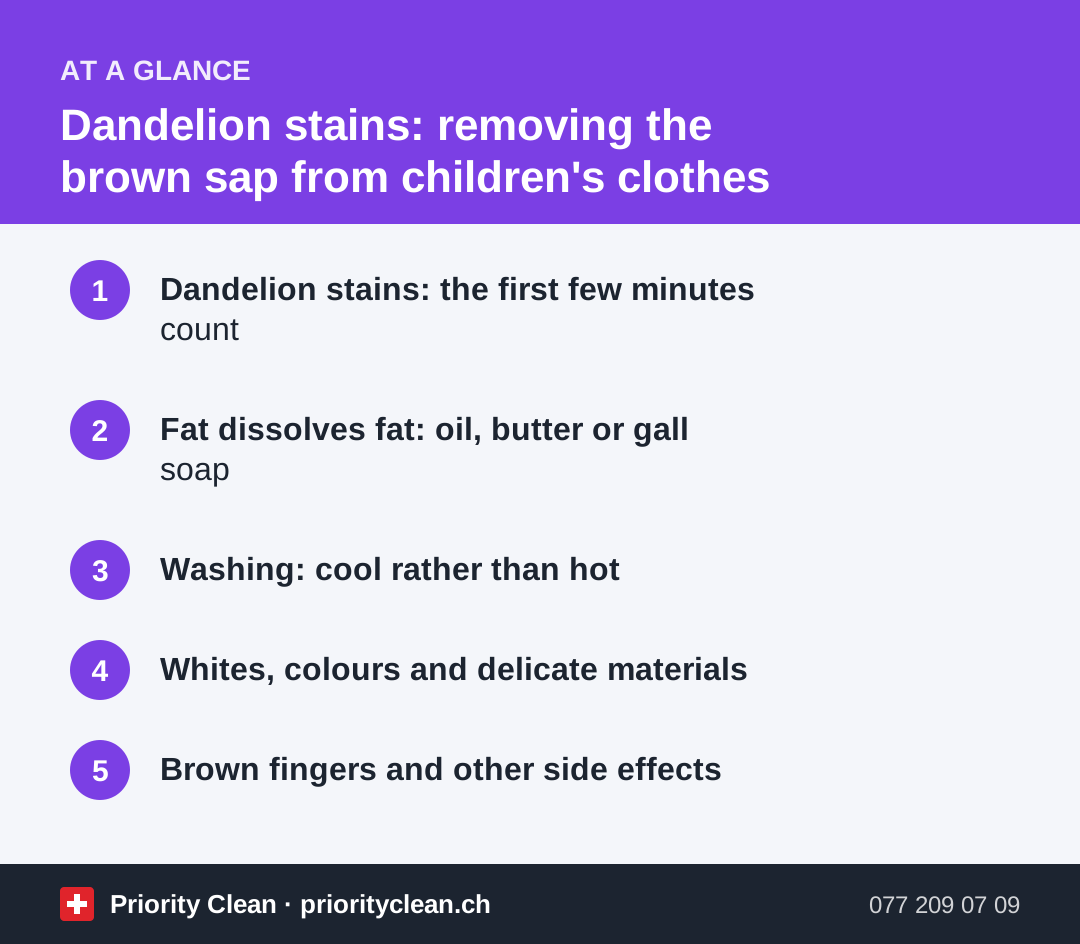
1. Dandelion stains: the first few minutes count
- Do not rub. Blot the excess sap with kitchen paper instead of spreading it.
- Scrape dried residue off gently, with the blunt back of a knife or a fingernail.
- Rinse cold from the reverse of the fabric, so the material is pushed out rather than through.
- No hot water, no hairdryer, no radiator – warmth sets the stain.
- Do not drop the garment in the laundry basket, where it will dry and be forgotten.
2. Fat dissolves fat: oil, butter or gall soap
The sap is not water-soluble, which is why one home remedy works particularly well here:
- Cooking oil or butter: put a drop on the mark, leave it a few minutes and massage it in gently with a fingertip. The sap softens.
- Washing-up liquid: then lift the grease mark you have just created with a little washing-up liquid.
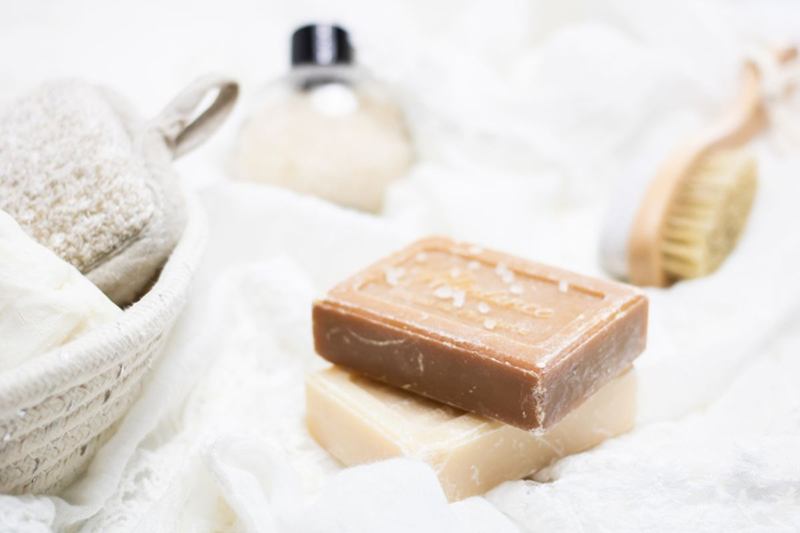
- Gall soap: soap the damp mark, leave it for ten to thirty minutes, then rinse cold. The Swiss consumer protection foundation lists curd soap, lemon juice and alcohol among the household remedies that replace cleaning products.
- Surgical spirit: on robust, colourfast fabrics, dab with a cotton pad working from the outside in.
How to use gall soap properly is covered in our guide to gall soap; for the green marks that usually come with it, see removing grass stains.
3. Washing: cool rather than hot
Only once the mark is visibly lighter does the garment go into the machine – at the temperature the care label allows, but at the lower end of it. According to GINETEX, the number in the wash tub symbol is the maximum washing temperature in degrees Celsius, not an instruction; bars under the tub mean a gentler cycle.
SwissEnergy recommends low temperatures of 20 to 30 °C, eco programmes and full loads anyway, and advises against increasing the detergent dose at low temperatures. The two fit together neatly here: pre-treat instead of heating up.
After the wash, the most important rule applies: check before you dry. If the mark is still visible, repeat the pre-treatment. One cycle in the tumble dryer will fix whatever the wash left behind.
4. Whites, colours and delicate materials
| Material | What to do |
|---|---|
| White cotton | gall soap, then lemon juice on the damp mark; rinse well |
| Coloured items | gall soap or liquid detergent; no lemon juice, it can lighten |
| Denim and hard-wearing fabric | oil, then washing-up liquid, then gall soap |
| Technical clothing | mild product only, no softener, follow the maker's advice |
| Wool and silk | do not improvise – professional cleaning |
| Leather and suede | scrape dry, leave the rest to a specialist |
The material therefore decides the product. Lemon juice works well on white but calls for care: only on colourfast white cotton, rinsed out completely afterwards and not dried in bright sunshine. On coloured fabrics the acid can change the shade.
5. Brown fingers and other side effects
On skin, the sap leaves brownish rings on fingers and around the nails. Massage in a little cooking oil, then wash with soap; the rest fades by itself within a day or two. Sensitive skin can react to plant saps – if redness persists, ask your pharmacy or your doctor.
On light garden furniture, paving slabs or a window sill, warm water with washing-up liquid and a brush are enough while the sap is fresh. Children's clothes carrying several types of mark are best treated one after another, as described in our guide to stains on children's clothes.
Common mistakes
- Washing hot: the number one reason dandelion stains never come out again.
- Letting the mark dry: oxidised sap is far more stubborn than fresh sap.
- Rubbing hard: it pushes the sap deeper into the weave and roughens the fibres.
- Lemon juice on colours: the acid can change the shade.
- Tumble drying before checking: heat fixes whatever the wash left.
Frequently asked questions
Can dried dandelion stains still be removed?
Often yes, but it takes more patience. Soften the mark with a little oil, lift the grease with washing-up liquid and then treat it with gall soap. Repeating the process twice beats washing it hot.
Which home remedy works against dandelion sap?
Fat dissolves fat: a drop of cooking oil or a little butter softens dried sap. Then lift the greasy ring with washing-up liquid and treat the remaining greenish mark with gall soap.
Can I wash dandelion stains at a high temperature?
Better not. Heat sets the pigments in the fibres. Pre-treat cold and then wash at the lowest sensible temperature; the number on the care label is a maximum, not a target.
How do I get dandelion sap off my fingers?
Massage in a little cooking oil and wash with soap. Any remaining marks fade by themselves within a day or two. Keep scouring powder and solvents off skin, and ask your pharmacy if redness persists.
Thanks for your feedback! Feel free to share the guide.
Thanks! What was missing? Drop us a line – we will improve the guide. WhatsApp