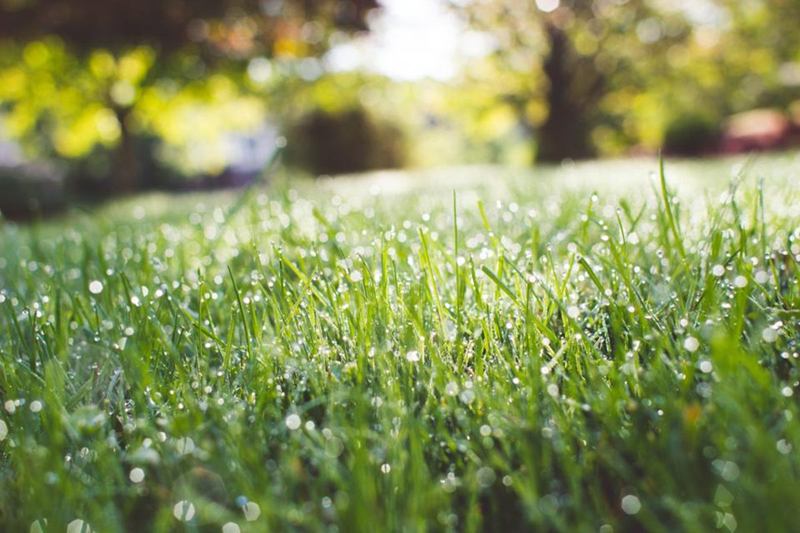
Autumn is football season, school sports days are in full swing and children come home from the park with green knees. Grass stains are among the most stubborn everyday stains, because the green plant pigments bind firmly to fibres – and a normal wash often leaves a yellowish-green shadow. To remove grass stains successfully, the key is to pre-treat them before they go into the washing machine and to avoid hot water at the start.
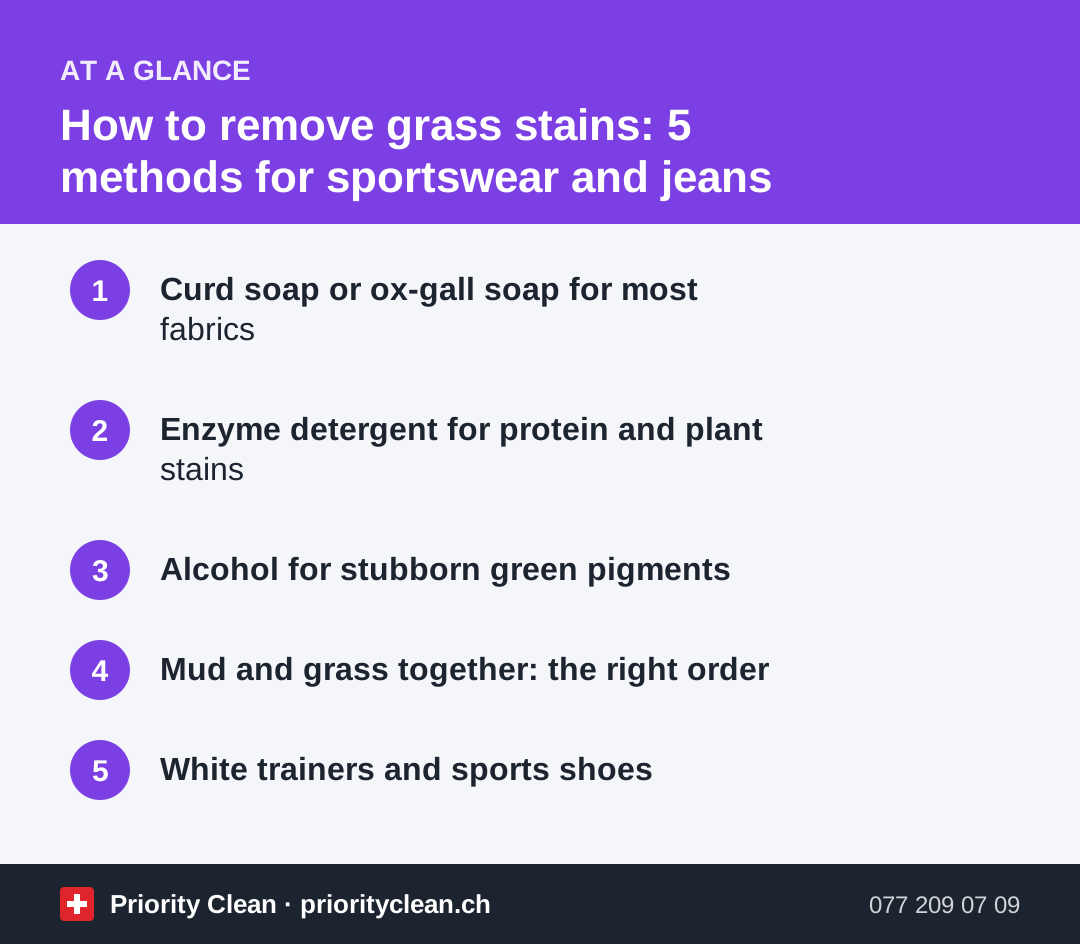
Here are five methods that work on sportswear, jeans and trainers, plus how to deal with the mud that often comes with them.
Why grass stains are so stubborn
Grass contains chlorophyll and other plant pigments, along with plant proteins and sap. When you slide or kneel on grass, these substances are pressed deep into the fibres. Dried grass stains then oxidise and take on a yellowish-brown tone.
Combined with soil, the stain becomes a mix of pigments, proteins and fine mineral particles – which is why a single product rarely does the whole job and why the order of steps matters.
1. Curd soap or ox-gall soap for most fabrics
Curd soap and ox-gall soap (sold in Swiss supermarkets and drugstores as Kernseife and Gallseife) are classic stain removers. The Swiss consumer protection foundation lists curd soap among the simple household remedies that can replace many cleaning products.
- Moisten the stain with cold water.
- Rub the soap directly onto the stain until it foams slightly.
- Work it in gently with your fingers or a soft brush.
- Leave for 15–30 minutes, or longer for older stains.
- Rinse and wash as usual according to the care label.
This method is suitable for cotton, polyester sportswear, jeans and most colourfast fabrics. For other stains, see our overview of home remedies for stains.
2. Enzyme detergent for protein and plant stains
Many biological detergents contain enzymes that break down proteins and plant residue.
- Apply a little liquid enzyme detergent directly to the stain.
- Work it in gently.
- Leave for about 15–30 minutes, following the packaging.
- Wash at the temperature allowed on the care label.
Do not use enzyme detergents on wool or silk, which are protein fibres themselves and can be damaged. EnergieSchweiz points out that modern detergents work well at lower temperatures and that you don't need to increase the dose when washing at 20–30 °C – pre-treatment is what matters for stains.
3. Alcohol for stubborn green pigments
For white or colourfast cotton and synthetics, rubbing alcohol or surgical spirit can help dissolve plant pigments that soap leaves behind.
- Test on a hidden seam first – alcohol can affect some dyes and prints.
- Dab a little alcohol onto a white cloth and blot the stain from the outside inwards.
- Change to a clean part of the cloth as the green transfers.
- Rinse with cold water and pre-treat with soap or enzyme detergent.
- Wash as usual.
Never use alcohol on acetate, acrylic or delicate prints, and keep it away from open flames.
4. Mud and grass together: the right order
Football kits and hiking trousers often come home with both grass and mud.
- Let the mud dry completely. Wet mud smears deeper into the fabric.
- Brush or knock off the dry soil outdoors.
- Rinse from the back under cold running water.
- Treat the remaining stain with curd soap or enzyme detergent.
- Wash and check before drying.
For very dirty kits, soak them for an hour in cold water with a little detergent before washing.
5. White trainers and sports shoes
Grass stains on white trainers are particularly visible.
- Canvas and textile shoes: Remove laces and insoles, brush off dirt, treat stains with curd soap and a soft brush, rinse and air dry. Check the manufacturer's instructions before putting them in the washing machine.
- Leather and synthetic leather: Wipe with a damp cloth and a little mild soap. For remaining marks, a melamine sponge used gently may help – test first.
- Soles: Scrub with a brush and washing-up liquid.
- Drying: Stuff with paper and let them dry at room temperature, away from radiators. More tips are in our guide on cleaning white trainers.
Which method for which fabric?
| Fabric | Best method | Avoid |
|---|---|---|
| Cotton, jeans | Curd soap, enzyme detergent, alcohol if needed | Hot water before treatment |
| Polyester sportswear | Curd soap or enzyme detergent, cold pre-treatment | High temperatures, fabric softener |
| Wool, silk | Mild wool detergent, professional dry cleaner | Enzymes, alcohol, rubbing |
| White canvas shoes | Curd soap and soft brush | Bleach on glued parts |
| Leather shoes | Damp cloth, mild soap | Soaking |
Common mistakes
- Washing hot straight away: Sets the stain.
- Rubbing wet mud: Pushes soil deeper into the fibres.
- Tumble drying before checking: Heat fixes remaining stain residue.
- Using bleach on coloured sportswear: Leaves pale patches.
- Fabric softener on sportswear: Clogs technical fibres and reduces breathability.
Frequently asked questions
How do you get grass stains out of jeans?
Moisten the stain with cold water, rub in curd soap or ox-gall soap, leave it for 15–30 minutes and wash. For stubborn green marks on colourfast denim, dab with a little alcohol first after testing on a hidden seam.
Can old grass stains be removed?
Often yes, with patience. Pre-treat with soap or enzyme detergent and leave it longer, repeat if necessary and check the result before drying. Very old, yellowed stains on delicate fabrics are best taken to a dry cleaner.
Does vinegar remove grass stains?
Diluted vinegar is sometimes used, but curd soap, enzyme detergent and alcohol are usually more effective on grass pigments. Test any method on a hidden spot first.
How do I get grass stains out of white football shorts?
Treat the stain with cold water and curd soap or enzyme detergent before washing. For white polyester, an oxygen-based stain remover suitable for synthetics can help – follow the label and check before drying.
Thanks for your feedback! Feel free to share the guide.
Thanks! What was missing? Drop us a line – we will improve the guide. WhatsApp