Stains & fabrics
How to remove coffee stains: 5 methods for clothes, carpet and sofa
Spilled your morning coffee? Five methods to remove coffee stains from shirts, carpets and upholstery – whether the stain is fresh, milky or already dried.
All our guides on Stains & fabrics: practical how-tos, home remedies and professional advice from Priority Clean.
Spilled your morning coffee? Five methods to remove coffee stains from shirts, carpets and upholstery – whether the stain is fresh, milky or already dried.
Freshly washed but smelling damp? Five reasons your laundry smells musty, from dosage to drying in the building's laundry room, and what really helps.
Yellow rings on white shirts and stiff, white deodorant marks on dark T-shirts? Five methods remove sweat stains – without damaging the fabric.
Coffee, grease, grass or fruit juice? Five inexpensive home remedies deal with most everyday stains – if you use the right one for the right mark.
Cold water saves electricity and is kind to colours, but not everything comes out truly clean. Here is how to decide, load by load, whether a low temperature will do.
A favourite teddy goes everywhere with a child and eventually looks like it. Here's how to get it clean again without harming the fur, stuffing or eyes.
Skin oils and sweat tire the knit, and a gentle wash restores its elasticity. Here's how to care for medical stockings without them losing their effect.
Cold water, a mild detergent and a little patience with drying: with this care, period pants stay absorbent, odour-free and leak-proof for many cycles.
A nappy blowout or a little accident from the dog on the rug? Lift off the worst, rinse in cold water, and most faeces stains will come out again.
Two fingers stuck together or a hard drop on the glass table? Warm soapy water, oil, a blade and patience loosen it without tearing skin or scratching the surface.
One splash of beetroot juice and your white T-shirt turns pink. Cold water, lemon, ox-gall soap and a little patience get fabric, skin and boards clean again.
A metal button, a wire hanger or a hair clip left in a pocket – and there's a brown mark. With acid instead of bleach, it usually comes out.
Permanent doesn't mean impossible: most felt-tip inks dissolve in alcohol. The key is choosing the right method for each surface so you don't make things worse.
Most shoe odour hides in the insole. A brush, soapy water and baking soda freshen it up – but leather insoles and orthotics need extra care.
Shoe odour starts when bacteria break down sweat inside a damp shoe. Get moisture, insoles and socks under control, and the problem usually disappears.
One splash of bleach and a pale patch appears on your dark jumper. The colour won't come back, but you can still save the garment and make the mark hard to spot.
A freshly surfaced road or a beach holiday: tar sticks stubbornly. Fat loosens it, ox-gall soap washes out the fat – and solvents remain the exception.
Milk, fat, sugar and colour: ice cream leaves several kinds of stain at once. The order matters – cold water first, then a degreaser, then the washing machine.
Ice cubes, the freezer and a blunt scraper do most of the work, while oil and washing-up liquid handle the rest. Here is how to free fabric, carpet and tread.
A black streak on your trouser leg after cycling to work? Chain oil is stubborn, but with a little patience and the right products the mark usually comes out.
A brown ring in your favourite mug, a splash on a pale blouse, a mark on the tablecloth: with the right household remedies, these tannin marks usually come out again.
Milk, drool and summer sweat go straight into the fabric. Prepared properly, the carrier survives the wash – and stays safe for your child.
Woke up to brown speckles on the sheets after applying self-tanner? The active ingredient DHA is to blame. Act quickly and with cold water, and the marks usually come out.
After a lake dive or a surf holiday, the wetsuit often ends up damp in a bag. A few minutes of care prevent odours, brittle neoprene and mildew spots.
After the pool, a wet bikini often ends up rolled into a ball in your bag. Elastane and colours don't like that. A few simple habits make your favourite swimwear last much longer.
A goal, a cheer, a tipped-over glass: beer looks harmless but leaves sticky marks and a sour smell. Cold water and a little patience get everything clean again.
Cracked number, peeling badge, musty smell: five simple rules keep your team's shirt in top shape for the whole World Cup and long after the final whistle.
Dripping meat, muddy vegetables, unwrapped bread – all sorts ends up in a shopping bag. Dedicated bags and the right wash keep it clean and hygienic.
Canvas trainers and running shoes often cope with a gentle cycle, leather and glued pairs do not. Here is how to prepare your shoes and dry them the right way.
Yellow marks on the sweatband, sunscreen on the brim: with lukewarm water, a soft brush and a little patience, your favourite cap will look as good as new.
Crumbs from snacks, a leaking drink and sweat on the back panel: with the right method your daypack gets clean without harming its coating or padding.
The new blouse still smells of the shop, the new bath towel barely absorbs anything. A first wash removes residues and excess dye and makes textiles ready for everyday use.
New bodysuits, sleepsuits and muslins go through the machine before they are worn. Here is how to choose detergent, programme and temperature for delicate baby skin.
A hot wash sounds more hygienic, but it ruins lace and elastane. Fabric, detergent and what is going on at home tell you the right setting for every pair.
A good bra isn't cheap, and the machine, heat and the tumble dryer wear it out fast. Five rules help preserve support, lace and stretch for much longer.
Grey collar lines, crumpled sleeves, an hour at the ironing board? With good preparation and five steps, work shirts and blouses come out clean and almost smooth.
Your favourite pair should stay dark and fit well. Less often, cooler and inside out: five rules that protect the colour and the cut of your denim.
Viscose drapes beautifully and feels soft, but it becomes fragile when wet. Five rules help your summer dress, blouse and top keep their shape and size.
Linen is tough, but heat, an overfilled drum and the tumble dryer can ruin it. Five tips keep your shirt, trousers and duvet cover in shape, wash after wash.
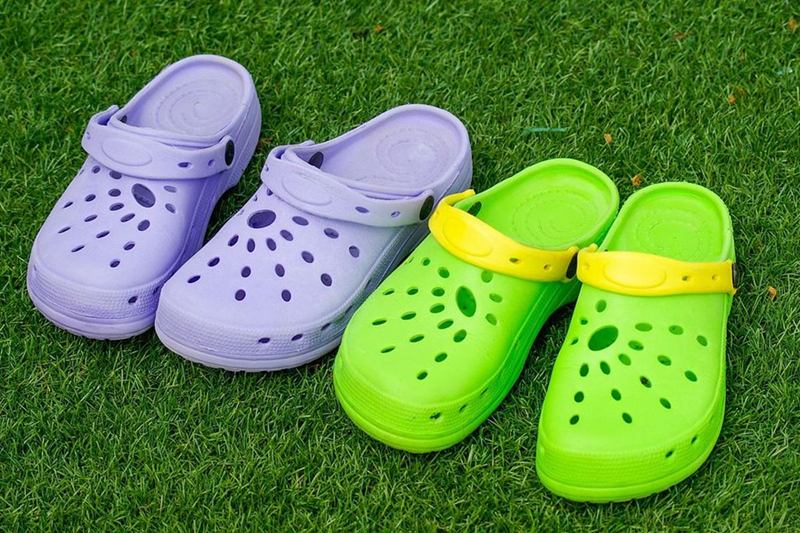
A grey film on white clogs, soil in the grooves, a smell in the footbed: soapy water, a brush and bicarbonate of soda soon get your rubber clogs clean again.
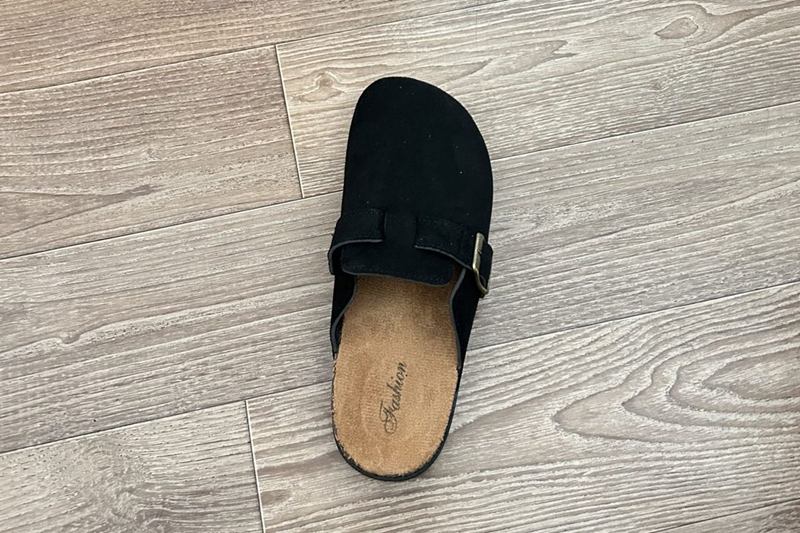
Dark footprints, stained straps, dry cork: with a brush, a little water and bicarbonate of soda, your sandals will look well cared for again after the winter.
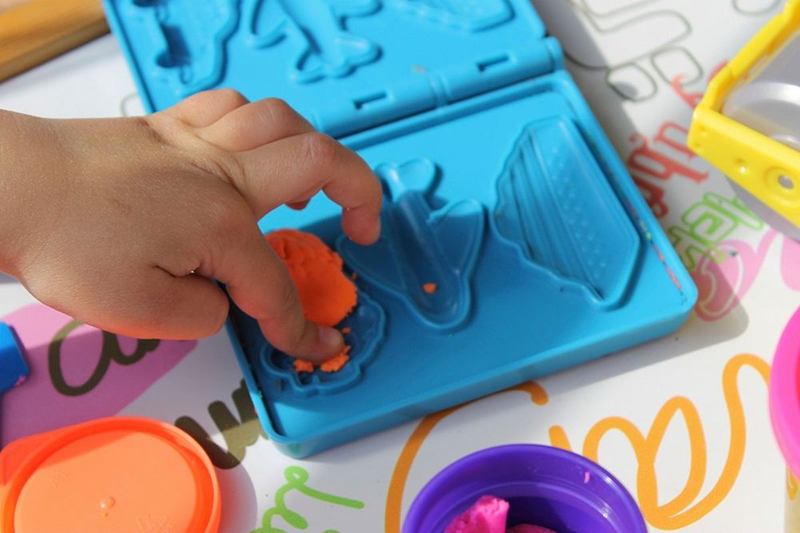
Plasticine in the carpet, slime on a jumper, colourful crumbs in the hair: cold, washing-up liquid and diluted vinegar get most of the residue out again.
Paint boxes, finger paint and young artists: with cold water, ox-gall soap and a microfibre cloth, most traces of colour vanish from clothes and around the home.
Bobbles on your favourite jumper, fluff on a dark coat, pilling on the sofa: the right tool and a gentler wash make them all look well kept again.
Your favourite jumper now fits your godchild? A lukewarm soak, patient stretching and drying flat can often win back part of the original size.
Wiping mud with a damp cloth only makes the mark bigger. Let it dry first and brush it out, and half the work is done before the washing machine starts.
The white sap from stems and flowers turns brown in the air and goes sticky. Act early and keep it cool, and trousers, jackets and trainers can be saved.
The plain bar from the Swiss drugstore tackles exactly the marks detergent alone leaves behind. How to use it, stain by stain, without ruining the fabric.
A protector keeps sweat, stains and skin flakes out of the mattress – but only if it goes in the wash itself now and then. Here is how, without ruining the waterproof layer.
Does your dog's bed smell musty and is it full of hair? With good preparation, the right temperature and thorough drying, it will soon be fresh and clean again.
Road salt, slush and dry heating air are hard on smooth leather in winter. With a brush, shoe cream and shoe trees, your shoes stay supple and shine again.
Dark handles, crumbs in the lining, a pen mark on the front? Here's how to clean your bag from the inside out – gently and without pulling it out of shape.
Shiny collar, dark cuffs, a smell of fondue that won't go away? With mild soapy water, patience while it dries and the right care, your jacket will look good again.
A single drop of water tells you what kind of leather you have. Then the rules are simple: dust first, little moisture, mild soap and the right care, no experiments.
Cuddly soft and meadow-fresh – that is what the bottle promises. Here is why that does not apply to every fabric, and how hard laundry turns soft without any additive.
Too much powder leaves clothes stiff, too little turns whites grey. Water hardness, drum fill and how dirty the wash is tell you the right amount.
First flat or flatshare, and suddenly the laundry is your job. Five steps take you from a full basket to a tidy wardrobe – without pink T-shirts or shrunken jumpers.
Dots, bars and triangles: the small label sewn into a garment tells you how hot, how gently and how it should be dried and ironed without damage.
One red sock or a new pair of jeans, and your whites come out pink or bluish grey. Act fast and keep everything wet, and you stand a good chance of saving them.
Grey soles and a dull overall look? Targeted pre-treatment, an overnight soak and a little sunshine often bring back the brightness – without wearing out the fibres.
Does your favourite blanket feel rough and matted after a few washes? Too much heat, fabric softener or an overfilled drum is usually to blame.
The juice from the seeds is a strong dye, and heat sets it into fabric. Act fast and keep everything cold, and most red splashes will come out again.
Slush and road salt leave dark tide marks and white lines on sheepskin boots. With a brush, a sponge and a little patience, they soon look well cared for again.
Felted wool, stiff leather fingers, smelly ski gloves? Once you know the material, you can look after gloves and hats properly and keep your hands warm all winter.
A heated blanket can take more water than many people think – but only with the controller removed, on a gentle cycle, and plugged back in once fully dry.
Too big for the machine, damp for days, lumpy afterwards? With the care label, the right drum and patient drying, your duvet will be fresh and fluffy again.
No guides found. Try another search term.