Carefully applied in the evening, the tan is there in the morning – but unfortunately also on the pillowcase, the sheet and the white bath towel. If you want to get rid of fake tan stains, it helps to know that they behave differently from ordinary make-up marks: they keep developing for hours.
The good news: fresh marks usually wash out well, and even older stains on white laundry can often be saved. These five steps show you what to do – and how to stop new stains from forming in the first place.
Why fake tan stains are so stubborn
Most self-tanners contain dihydroxyacetone, or DHA. It reacts with protein building blocks in the top layer of the skin and turns them brown. This reaction takes a few hours – and it doesn't only happen on skin. If DHA gets onto fabric, a brown stain can develop there over time too, especially on cotton, which absorbs skin flakes and sweat.
Many products also contain an instant cosmetic colour (bronzer). It rubs off as soon as it touches fabric, but usually washes out more easily than the DHA tan.
| Stain | Typical look | First step |
|---|---|---|
| Fresh, still damp | Light brown, creamy smear | Rinse cold straight away |
| Developed overnight | Brown spots and streaks | Soak, pre-treat with ox-gall soap |
| On whites, older | Yellowish-brown marks | Oxygen bleach, if allowed |
| On a sofa or mattress | Brown imprint | Dab with a damp cloth, don't soak |
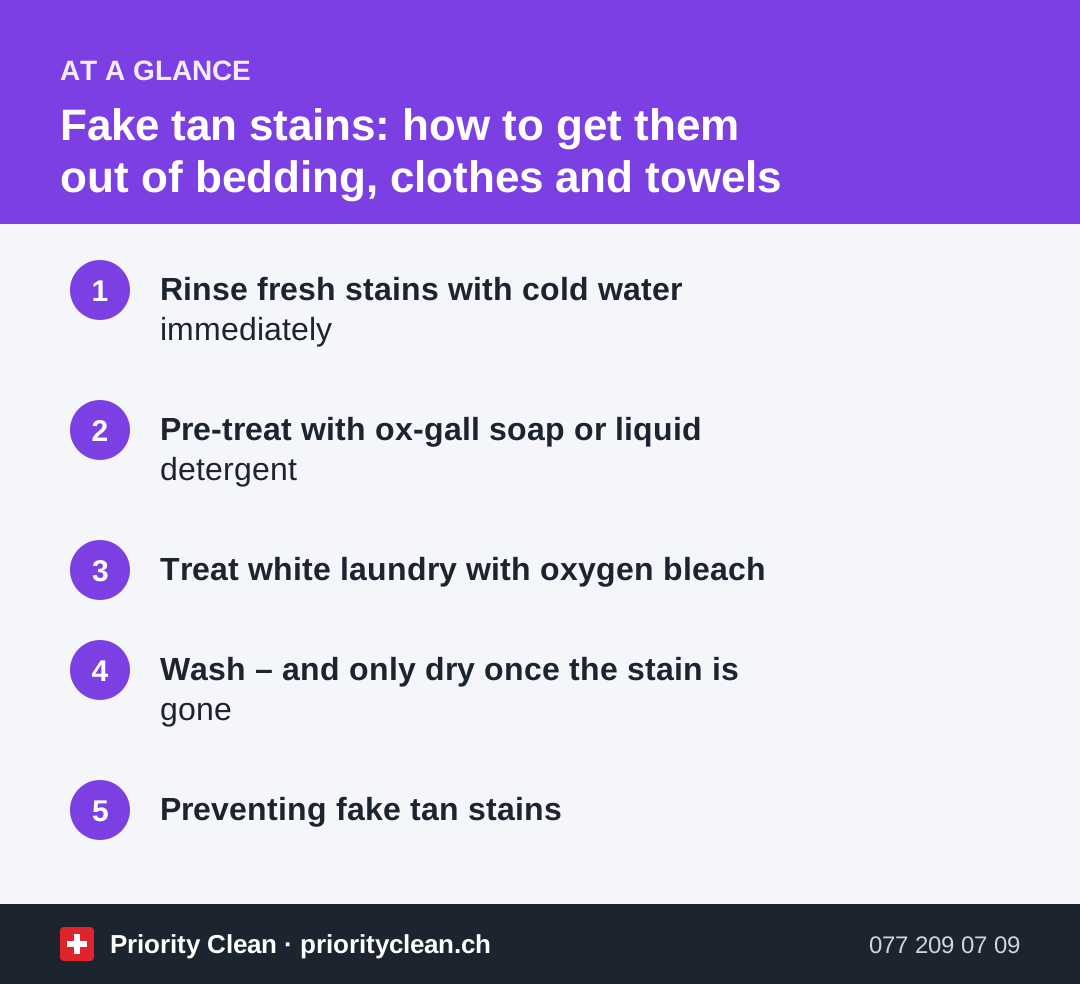
1. Rinse fresh stains with cold water immediately
The earlier you spot the stain, the less time the DHA has had to bond with the fibre. Hold the area under cold running water from the back. Warm or hot water is a no-go, as it can speed up the colour reaction and set the stain.
If your bedding is stained when you get up, strip the cover straight away and treat it, rather than leaving it in the laundry basket until the next washing day.
2. Pre-treat with ox-gall soap or liquid detergent
Self-tanner is a cream, lotion or mousse – a mix of water, oils and active ingredients. That is why a grease-dissolving pre-treatment is worthwhile:
- Dampen the mark.
- Apply ox-gall soap (widely sold in Switzerland as Gallseife) or a little liquid detergent directly to the spot.
- Work it in gently between your fingers or with a soft brush, without roughening the fabric.
- Leave it for at least 15 minutes, longer for older marks.
- Rinse cold and check whether the colour has faded.
Classic household remedies such as curd soap are also among the alternatives to many specialist cleaners listed by the Swiss consumer protection foundation (page in German). On coloured clothes, test every product on an inconspicuous spot first. You deal with deodorant and sweat marks in a similar way – see our guide on how to remove sweat stains.
3. Treat white laundry with oxygen bleach
On white sheets, pillowcases and bath towels, an oxygen-based stain remover often helps. The triangle on the care label tells you whether you can use it: an empty triangle allows any bleach, a triangle with two diagonal lines oxygen bleach only, and a crossed-out triangle none at all. The GINETEX care symbols index explains all the symbols.
Dose the product according to the pack and stick to the stated temperature. For coloured laundry, only use products expressly suitable for colours.
4. Wash – and only dry once the stain is gone
After pre-treating, wash the item according to the care label. Cotton bedding and towels can usually handle higher temperatures, but only in the main wash, not as a hot pre-wash. For how hot to wash bedding, see our guide How often to wash bed sheets.
Check the spot after washing while the fabric is still damp. If a shadow is still visible, repeat the pre-treatment. Only when the stain has completely disappeared should the item go into the tumble dryer: heat can set any residue for good. Dab fake tan marks on a sofa or mattress with a little soapy water, then with clean water, and let the area dry well.
5. Preventing fake tan stains
Prevention is always easier than removal:
- Allow enough time: apply self-tanner a few hours before going to bed and let it absorb completely.
- Wash your hands: palms and nails, thoroughly, straight after applying.
- Dark fabrics: on the first night, wear loose dark pyjamas and use dark bedding.
- A dedicated towel: use a dark towel after your first shower, as remnants of the instant colour come off.
- Protect the mattress: a washable mattress protector catches any transfer.
For other summer cosmetic stains, such as sunscreen, you will find methods in our guide to sunscreen stains on clothes.
The most common mistakes
- Hot pre-wash: heat can intensify the browning reaction in the fabric and set the stain.
- Leaving laundry for days: the DHA has time to keep developing.
- Chlorine bleach on colours: it discolours coloured fabrics and damages elastane.
- Tumble drying too early: a shadow that is still visible now often stays for good afterwards.
- Scrubbing hard: the fibre gets roughened and the mark doesn't fade any faster.
Frequently asked questions
Does fake tan come out of bed sheets?
In most cases, yes – especially if you act quickly. Rinse cold, pre-treat with ox-gall soap or liquid detergent and wash according to the label. On white cotton, oxygen bleach helps too, provided the care label allows it.
Why do fake tan stains only show up later?
DHA needs several hours to develop its brown colour – on skin and on fabric alike. A mark that was barely visible in the evening can be much darker the next morning.
Can I wash fake tan stains on a hot cycle?
Not as a first step. Pre-treat with cold water first. Only then wash at the temperature the care label allows, and check the result before drying.
How do I stop self-tanner staining my sheets?
Apply it a few hours before bed, let it absorb completely and wash your hands. On the first night, loose dark clothing and dark bedding protect your sheets.
Thanks for your feedback! Feel free to share the guide.
Thanks! What was missing? Drop us a line – we will improve the guide. WhatsApp