Indoor pool in the morning, a swim in the lake in the afternoon, a beach holiday in July: swimwear works hard in summer. If you want to know how to wash a swimsuit so that it doesn't stretch or fade, you don't need special products – just the right timing. What matters most is what happens in the first few minutes after your swim.
Chlorine, salt, sun cream and heat all attack the stretchy fibres. Five simple steps keep bikinis, swimsuits and swim shorts in shape and in colour for longer.
Why a swimsuit needs special care
Most swimwear is made of polyamide or polyester with a share of elastane. Elastane makes the fabric fit snugly and spring back after stretching. But this fibre is sensitive: pool chlorine, salt, sun protection products, heat and constant stretching wear it out over time. The swimsuit then goes baggy, the fabric looks thin and the colours fade.
| Stress factor | What happens | Remedy |
|---|---|---|
| Chlorine at the indoor or outdoor pool | Elastane tires, colours fade | Rinse with clean water immediately |
| Salt water | Crystals rub, fabric stiffens | Rinse thoroughly in fresh water |
| Sun cream | Greasy marks, yellow or orange stains | Pre-treat and wash early |
| Heat and sun | Fibres lose their stretch | Dry flat, in the shade |
| Rough pool edges | Pilling and snags | Sit on a towel |
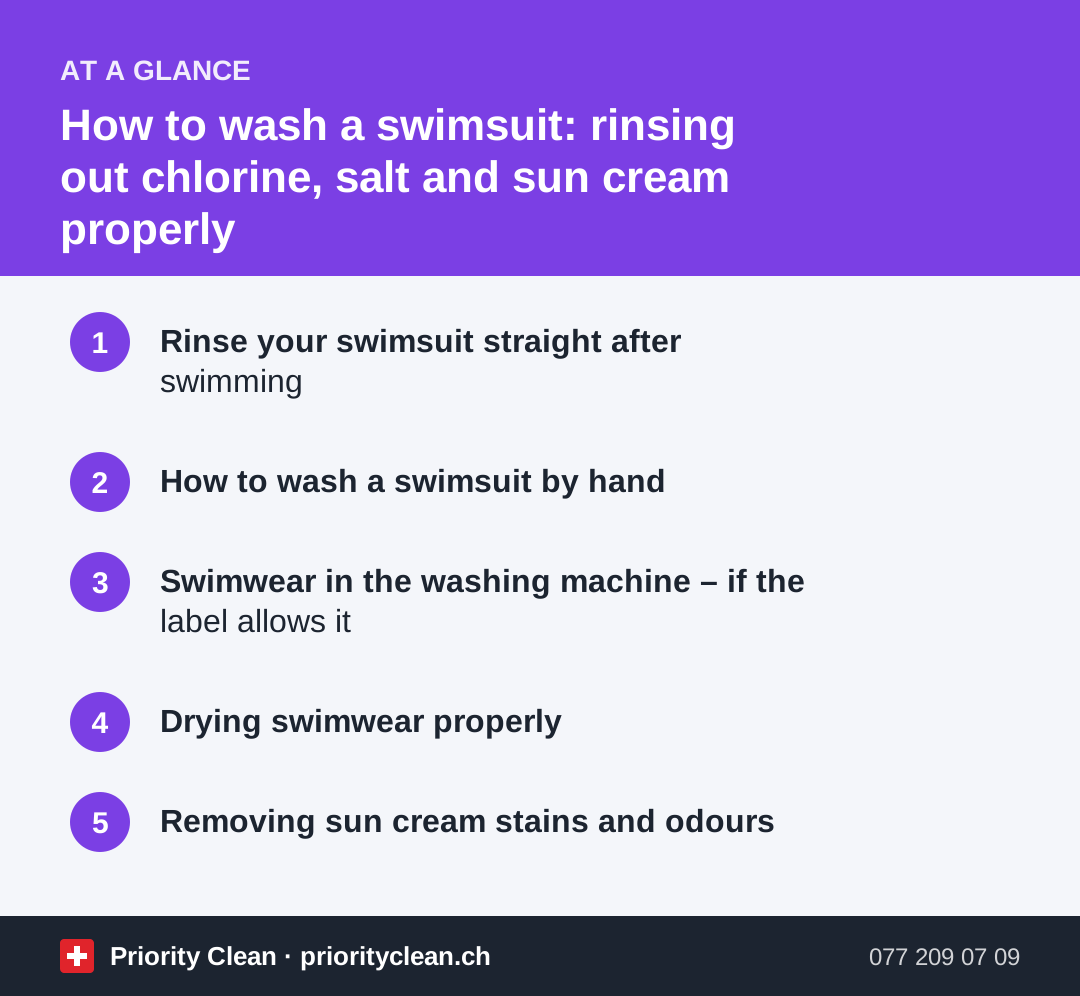
1. Rinse your swimsuit straight after swimming
The most important step takes a minute: rinse your bikini, swimsuit or swim shorts right after swimming, in the pool shower or at home, with clean cold to lukewarm water. That way chlorine and salt don't get the chance to work on the fabric for hours.
Rinsing is worth it after a dip in the lake or the river too, as otherwise sediment, algae and sun cream stay in the fabric. Then press the water out gently – don't wring.
2. How to wash a swimsuit by hand
After rinsing, a quick hand wash is usually enough, especially after the indoor pool or a day with lots of sun cream.
- Fill a washbasin or bowl with cold to lukewarm water.
- Dissolve a little delicates or wool detergent in it.
- Soak the item for a few minutes and squeeze it gently – don't rub.
- Rinse thoroughly with clean water until no more foam comes out.
- Carefully press out the water and roll everything up in a towel to soak up the moisture.
This matches the care symbols: according to the GINETEX care symbols index, hand washing means low temperatures and no rubbing or wringing. Don't use fabric softener – it coats the fibres and can reduce their stretch.
3. Swimwear in the washing machine – if the label allows it
Many swimsuits can go in the washing machine, provided the care label shows a wash tub symbol with a temperature. In that case:
- Programme: delicates or hand-wash cycle at a low temperature, usually 30 °C.
- Laundry bag: put bikinis and swimsuits in a mesh laundry bag so straps and hooks don't get tangled.
- Spin: choose a low speed or skip it altogether.
- Wash with: only similar colours, and no jeans, zips or Velcro.
Low temperatures don't just protect the fabric. EnergieSchweiz, the Swiss federal energy programme, recommends washing at 20–30 °C with eco programmes and not increasing the amount of detergent anyway. More detergent achieves nothing here; it just stays in the fabric as residue.
Swimwear with underwires, moulded cups or sequins is always best washed by hand. Our guide on how to wash a bra explains how to care for delicate underwired items.
4. Drying swimwear properly
Drying is where most mistakes happen. Lay your bikini or swimsuit flat on a towel or drying rack in an airy spot in the shade. Direct sun bleaches the colours and weakens the elastane, as do radiators and tumble dryers.
Don't hang a wet swimsuit up by its straps: the weight of the water stretches them. Store dry swimwear loosely folded in a drawer, not balled up in your beach bag.
5. Removing sun cream stains and odours
Sun cream often leaves greasy marks on swimwear that can turn yellow or orange over time. Treat them as early as possible: put a little washing-up liquid or ox-gall soap on the stain, work it in gently, leave it briefly and then hand-wash as described above. On bright colours, test any stain remover on an inconspicuous spot first. You will find detailed methods in our guide to sunscreen stains on clothes.
If your swim shorts smell musty, they usually stayed wet in the bag for too long. A hand wash and thorough air-drying usually solve the problem. For stubborn odours in sportswear, see our guide Gym clothes smell after washing.
The most common mistakes
- Leaving a wet swimsuit in your bag for hours: chlorine and salt keep working, plus you get odours and mildew spots.
- Wringing: the stretchy fibres are overstretched and can break.
- Tumble dryer or radiator: heat quickly wears out elastane – the swimsuit goes baggy.
- Drying in blazing sun: colours fade, especially red and black.
- Fabric softener: it clogs the fibres and brings no benefit here.
Frequently asked questions
How often should you wash a swimsuit?
Rinse it after every swim. A hand wash with a little delicates detergent makes sense after the indoor pool, after lots of sun cream, or at the latest after a few days of swimming.
Can a swimsuit go in the washing machine?
Only if the care label allows it. Then choose a delicate cycle at a low temperature, use a laundry bag and spin gently or not at all. Models with underwires, moulded cups or embellishments are better washed by hand.
Why has my swimsuit gone baggy?
Usually chlorine, salt, sun cream and heat act on the elastane together. Rinsing straight away, drying in the shade and avoiding the tumble dryer and wringing extend its life considerably.
Can I dry my swimsuit in the sun?
Better not. Direct sun bleaches the colours and weakens the stretchy fibres. An airy spot in the shade is enough for everything to dry within a few hours.
Thanks for your feedback! Feel free to share the guide.
Thanks! What was missing? Drop us a line – we will improve the guide. WhatsApp