
Stand-up paddleboarding on Lake Zurich, a dive in Lake Walen, a surf holiday on the Atlantic or the first triathlon of the season: a wetsuit keeps you warm as long as the material stays supple and intact. When it comes to how to clean a wetsuit, regularity matters most. Salt, chlorine, sweat and sun do more damage than the actual use.
The good news: care is simple and takes only a few minutes after each session. These five steps keep your wetsuit odour-free and flexible – and help it last for many seasons.
Why a wetsuit needs regular cleaning
Neoprene is a foamed synthetic rubber full of tiny gas bubbles, usually laminated with fabric on both sides. The bubbles insulate and the material stretches. These are exactly the qualities that get lost when a wetsuit is treated badly.
| Stress factor | Result | Remedy |
|---|---|---|
| Salt water | Crystals stiffen the material and wear the seams | Rinse in fresh water after every session |
| Pool chlorine | Material and colour age faster | Rinse thoroughly straight away |
| Sweat and skin residue | Bacteria, the typical musty smell | Wash regularly with wetsuit shampoo |
| Sun and heat | Neoprene hardens, cracks and loses stretch | Dry in the shade, store somewhere cool |
| Storing it damp | Mildew spots and mould | Let it dry completely |
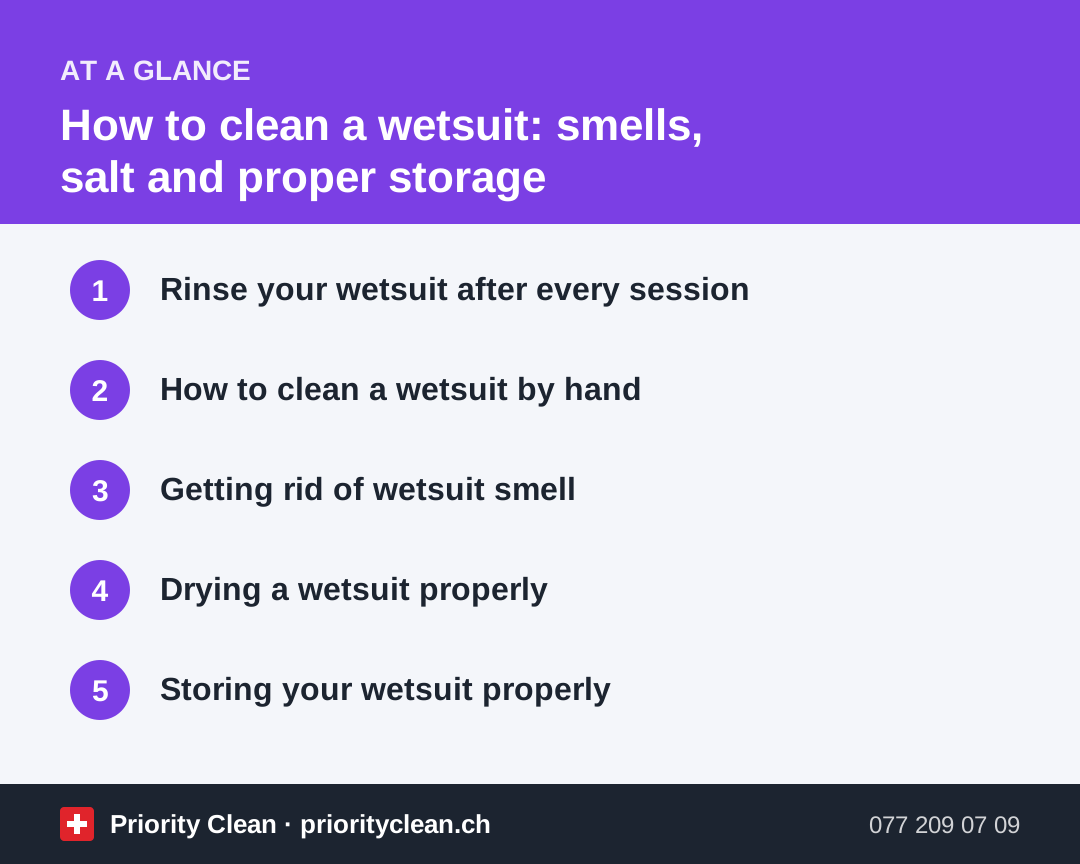
1. Rinse your wetsuit after every session
The key step happens right after your water sport: rinse the wetsuit thoroughly with clean fresh water, ideally cold to lukewarm. Many lidos and dive centres have showers or rinse tanks for this; at home, the bath or shower works well.
Turn the suit inside out too, as sweat and skin flakes collect on the inside. Don't forget the zip, Velcro and seams, where sand and salt get trapped. Rinsing is worthwhile even after a day in a freshwater lake, because otherwise algae and sediment stay in the material.
2. How to clean a wetsuit by hand
Rinsing isn't always enough. After a few sessions, when it smells and before the winter break, wash the suit by hand:
- Fill the bath or a large tub with cold to lukewarm water – hot water can damage neoprene and glued seams.
- Add wetsuit shampoo as directed on the pack. Alternatively, use a very mild, fragrance-free product if the manufacturer allows it.
- Immerse the suit inside out and knead it gently – don't brush or rub.
- Leave it briefly, then turn it right side out and treat the outside the same way.
- Rinse thoroughly with clean water until no more foam is visible.
Avoid washing powder, bleach, fabric softener and solvents. They attack the material or leave residue that can irritate your skin.
3. Getting rid of wetsuit smell
If the suit still smells musty after rinsing, the culprit is usually bacteria from sweat and skin residue, which multiply when the suit is stored damp. Wash it as described above with a wetsuit cleaner designed to tackle odours, then make sure it dries completely.
For boots, gloves and the carry bag, a simple household remedy helps: sprinkle a little bicarbonate of soda into the fully dry boots or the empty bag, leave it overnight and shake it out thoroughly. The Swiss consumer protection foundation lists bicarbonate among the household remedies that replace many specialist products (page in German). On the suit itself, only use household remedies such as vinegar if the manufacturer explicitly approves them.
For odours in other sportswear, see our guide Gym clothes smell after washing.
4. Drying a wetsuit properly
Drying decides how long the suit will last:
- Start inside out: let the inside dry first, then turn it around. It will feel much nicer to put on next time.
- Wide hanger: use a special wetsuit hanger or a wide plastic hanger. Thin wire hangers leave dents in the shoulders. Alternatively, fold it at the waist over a rail.
- Shade, not sun: UV makes neoprene hard and brittle. Dry it in an airy spot in the shade, such as the attic, the drying room or a covered balcony.
- No heat: no tumble dryer, no radiator, no hairdryer.
Many care labels show exactly this: the symbol for drying in the shade and the crossed-out tumble dryer. The GINETEX care symbols index explains what the symbols mean. The washing machine is off-limits for most wetsuits – only use it if the manufacturer explicitly allows it, and then cold, on a gentle cycle and without spinning.
5. Storing your wetsuit properly
At the end of the season, your wetsuit should get through the winter in good shape. Only put it away once it is completely dry, inside and out. Ideally, hang it on a wide hanger in a cool, dark, dry wardrobe or cellar storage room. Alternatively, roll it up loosely instead of folding it: sharp creases can become permanent.
Close the zip for storage and check it before the next season. If it is stiff, a thorough rinse usually helps; use a zip care product according to the manufacturer's instructions. Avoid hot storage places such as the car boot in summer or next to a radiator. For caring for the rest of your outdoor gear before storing it, read our guide on how to clean a tent and dry it properly.
The most common mistakes
- Leaving it wet in the bag: overnight you get odours and, at worst, mildew spots.
- Washing it hot or tumble drying: heat damages neoprene and glued seams.
- Drying it in the sun: the material hardens, fades and cracks.
- Using a wire hanger: the weight of the wet suit leaves permanent dents in the shoulders.
- Folding it sharply: creases remain and weaken the material.
Frequently asked questions
How often should you wash a wetsuit?
Rinse it in fresh water after every session, and give it a thorough wash with wetsuit shampoo every few sessions, when it smells and before storing it. Exactly how often depends on how intensively you use it.
Can a wetsuit go in the washing machine?
Most manufacturers advise against it. Only if the care label or instructions explicitly allow it: cold, on a gentle cycle and without spinning. Hand washing is always gentler.
What helps if my wetsuit smells?
Hand-wash it with a wetsuit cleaner designed for odours, rinse thoroughly and let it dry completely, inside out. The smell usually develops because the suit was stored damp.
How do you store a wetsuit over winter?
Completely dry, hanging on a wide hanger or loosely rolled, in a cool, dark and dry place. Avoid sharp folds, heat and direct sunlight.
Thanks for your feedback! Feel free to share the guide.
Thanks! What was missing? Drop us a line – we will improve the guide. WhatsApp