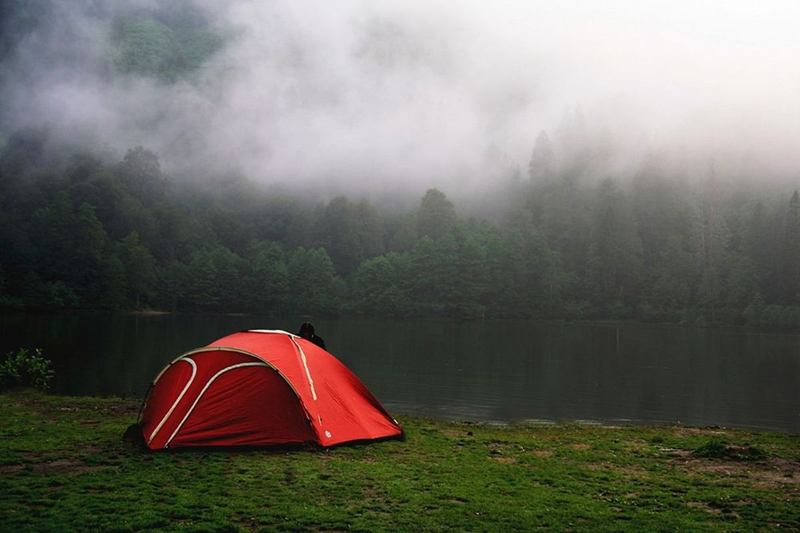
The weekend by the lake was lovely – only packing up happened in the rain. The tent went into its bag soaking wet, the bag into the boot and then down to the cellar. If you want to clean a tent and dry it before it starts to smell musty, you don't need to do much – but you do need to do the right things, and quickly.
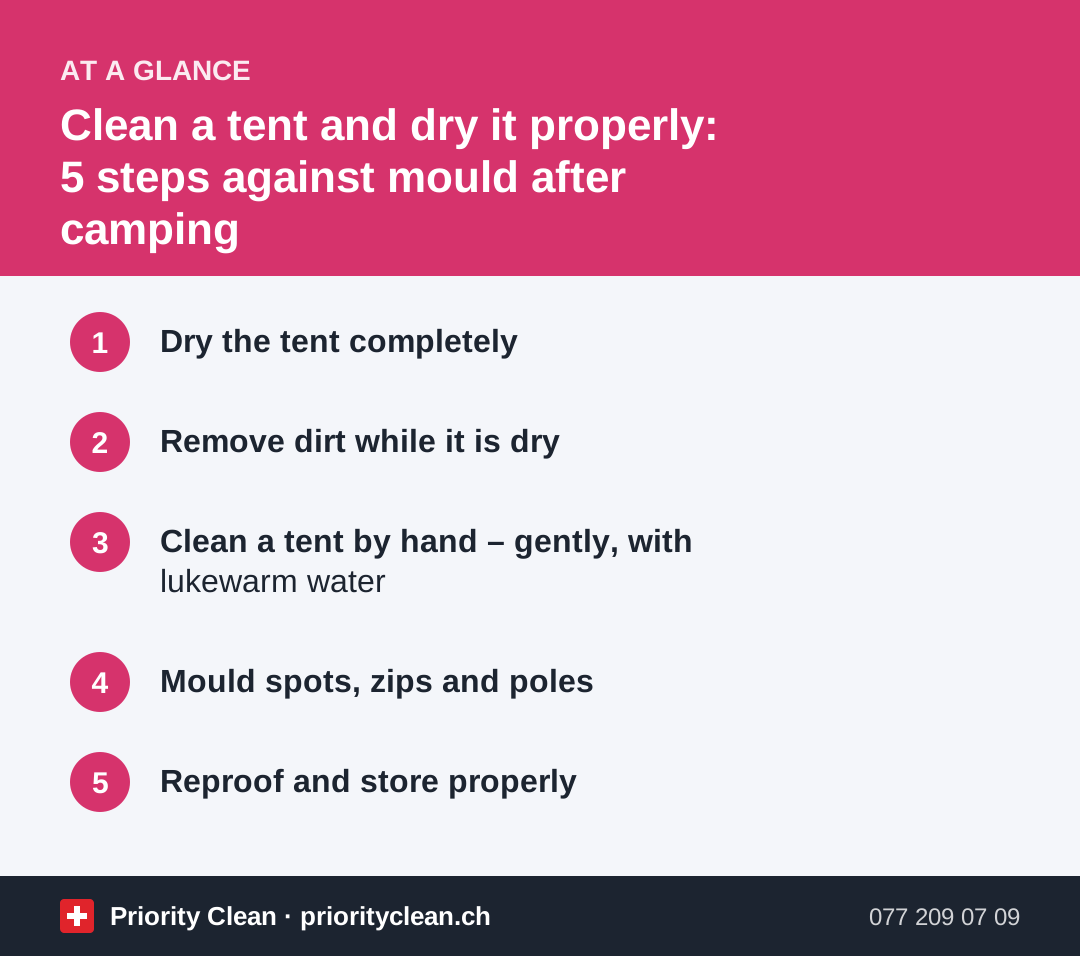
May, at the start of the season, is a good time to check last summer's tent. These five steps show you how to dry it, wash it by hand, look after zips and poles, and store it so it stays waterproof for many years.
Why a tent goes mouldy and smells
Tent fabrics are thin, coated and rolled up tightly for transport. When a damp tent goes into its bag, the moisture cannot escape. Add pollen, soil and organic bits such as leaves or insects, and you have ideal conditions for mould. Within just a few days a musty smell and black or grey spots can appear.
The Federal Office of Public Health points out that mould is unhealthy, should be removed quickly and the cause of the damp always dealt with. With a tent, the cause is almost always the same: it wasn't dried properly. Mould also attacks the coating, and old mildew spots often can't be removed completely.
| Sign | Likely cause |
|---|---|
| Musty smell when unpacking | Stored damp, condensation in the bag |
| Black or grey dots | Early mould on the fabric or seams |
| Sticky or flaking inner coating | Ageing of the coating, often from damp and heat |
| Water no longer beads up | Water repellency worn off or dirty |
1. Dry the tent completely
Drying is the most important step. If you have to pack up in the rain at the campsite, pack the flysheet and inner tent separately and loosely. At home, pitch the tent in the garden or on the terrace by the next day at the latest and let it air, with doors and vents wide open.
Without a garden, hang the flysheet, inner tent and groundsheet separately over a washing line in the attic, in the shared laundry room or over the balcony railing. Turn the parts after a few hours so that folds and seams dry too. Hours of direct sun damage the fabric; an airy spot in partial shade is ideal.
2. Remove dirt while it is dry
Fresh mud smears if you wipe it straight away with water. Let it dry, then brush it off with a soft brush.
- Sand, grass and pine needles: turn the tent upside down and shake it, then vacuum the inner tent and floor with the upholstery nozzle.
- Dried mud: tap and brush it off gently, don't scrape.
- Bird droppings and tree sap: soften with lukewarm water and dab off carefully.
- Resin: don't rub; harden it with an ice cube and lift it off gently. If some remains, use a resin remover approved by the manufacturer.
3. Clean a tent by hand – gently, with lukewarm water
If the fabric is still stained after brushing, wash it pitched or hanging up with a soft sponge and lukewarm water. Work from top to bottom and never press hard. For many household jobs, the Swiss consumer protection foundation shows that simple household remedies such as curd soap or vinegar are enough. A tent's coating is delicate, though: use only a little mild product or a special tent cleaner, and follow the manufacturer's care instructions.
Then rinse thoroughly with clean water, because soap residue attracts dirt and can weaken the water repellency. Wipe the mesh of the inner tent especially gently.
4. Mould spots, zips and poles
Mould: brush a light deposit off dry, outdoors, ideally with a mask and gloves so you don't breathe in spores. Then wipe the area with a mild product and let it dry well. Some manufacturers allow diluted vinegar, others advise against it because of the coating – if in doubt, test on a hidden spot or ask an outdoor shop. Stains often remain visible. What matters is that the smell is gone and the coating is intact.
Zips: brush sand out of the teeth with an old toothbrush and rinse with water. If a zip sticks, a little zip lubricant or candle wax helps – use it sparingly.
Poles and pegs: wipe the poles with a damp cloth and dry them, check the shock cord and joints. Clean the soil off the pegs and store them dry.
5. Reproof and store properly
If rain no longer beads up but soaks into the fabric, the flysheet needs reproofing. Apply the product only to a clean tent and follow its instructions. Use sprays outdoors, away from children and naked flames. Treat leaking seams with a suitable seam sealer.
Only store the tent once every fold is dry: loosely in a breathable bag rather than a tight compression sack, in a dry, dark place that doesn't get too warm. A damp cellar is a poor choice, and so is an attic that gets hot in summer. For sleeping bags after camping, see our guide How to wash a sleeping bag.
The most common mistakes
- Leaving it wet in the bag: a few days are enough for a musty smell and mildew spots.
- Washing machine or pressure washer: both damage seams and coating.
- Too much cleaning product: residue attracts dirt and weakens water repellency.
- Drying on the radiator: heat harms the coating and plastic windows.
- Storing it in a compression sack: the fabric can't breathe and creases stress the coating.
Boots and rucksacks need care after a trip too – see our guides Cleaning hiking boots and How to wash a rucksack.
Frequently asked questions
Can you put a tent in the washing machine?
No. The drum damages the coating, seam tape and windows, and the tent loses its waterproofing. Clean it by hand with a sponge, lukewarm water and a little mild product.
How long does a tent take to dry?
Until every fold, every seam and the groundsheet feel completely dry. Depending on the weather and the fabric, that takes from a few hours to a day. Turn the parts from time to time and air the inner tent too.
Can mould spots on a tent be removed completely?
A fresh deposit can usually be brushed and wiped off. Older mildew spots often leave dark marks. The key is that the tent no longer smells and is dried well. If the mould is widespread, ask the manufacturer or an outdoor shop for advice.
How often should you reproof a tent?
That depends on the fabric, the coating and how often you use it. A good sign: if water no longer beads up but soaks into the fabric, it is time to reproof – always on a clean, dry tent and following the product instructions.
Thanks for your feedback! Feel free to share the guide.
Thanks! What was missing? Drop us a line – we will improve the guide. WhatsApp