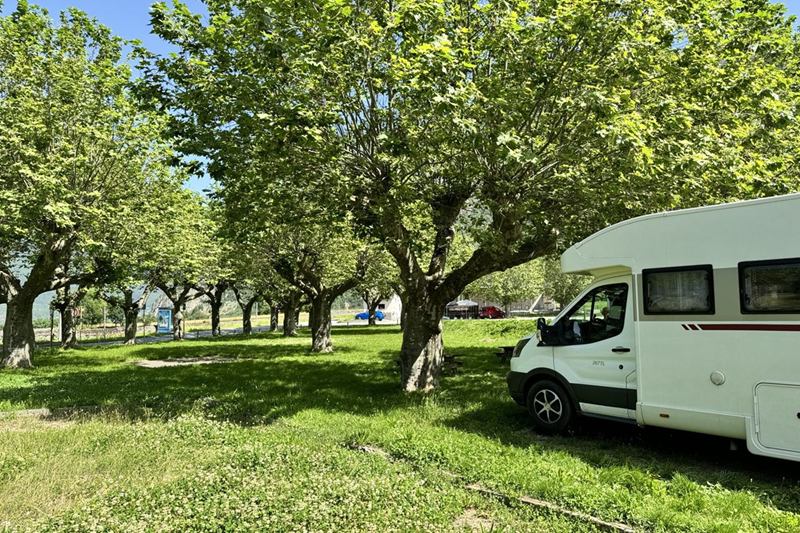
Winter is over and the motorhome is still in the storage hall or under its cover. The first time you open the door, stale air greets you, dead flies lie on the window sill and the fridge smells odd. If you want to clean a motorhome interior before the first trip, it pays to work methodically: top to bottom, dry before wet, one area at a time.
This guide applies equally to motorhomes, campervans and caravans. It takes you in five steps through the living area, kitchen, washroom and water tank – with a checklist to tick off at the end.
Why a motorhome interior needs special care
A motorhome combines living room, kitchen, bathroom and bedroom in a few square metres. Cooking, showering and sleeping produce a lot of moisture, which condenses on cold outer walls and windows. If the vehicle is then closed up for months, mould can develop in corners, behind cushions and in storage lockers.
The Federal Office of Public Health points out that mould is unhealthy, should be removed quickly and the cause of the damp always found and fixed. In a motorhome, that is often condensation, too little ventilation or a leak at a roof light, window or seal. Water marks on the ceiling or walls point to a leak – a job for a specialist workshop.
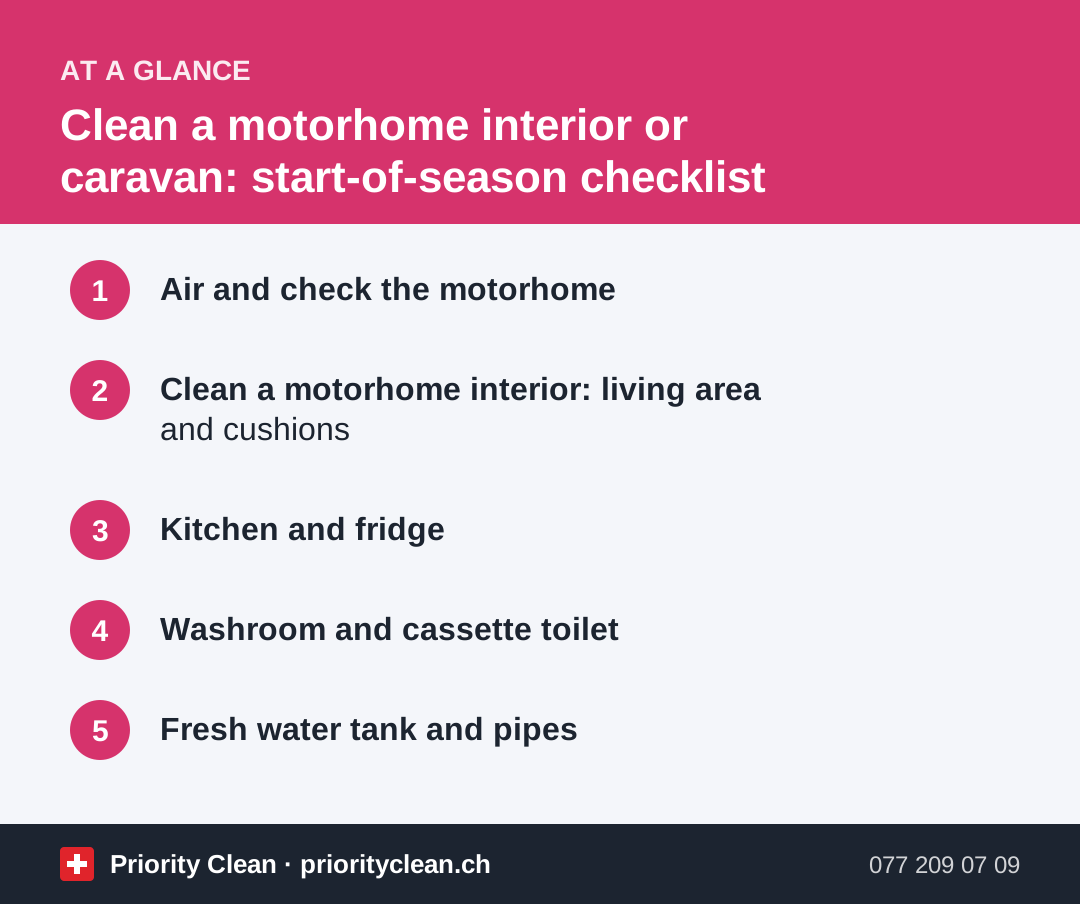
| Area | What to do | Watch out |
|---|---|---|
| Living area and cushions | Vacuum, wash covers as per label, dab stains | Don't soak the foam |
| Kitchen and fridge | Wash with soapy water, dry | Leave the fridge door open when not in use |
| Washroom | Clean shower, basin and drain | Don't scrub plastic surfaces |
| Cassette toilet | Empty, rinse, maintain as per manufacturer | Gloves, only at disposal points |
| Fresh water tank | Drain, clean, disinfect, rinse | Only use approved products |
1. Air and check the motorhome
Open all windows, roof lights, cupboards and lockers and let air flow through for at least an hour in dry weather. Use the time for a check:
- Does it smell musty, and where is it strongest?
- Are there dark spots on window frames, seals, in corners or behind the cushions?
- Are the ceiling and walls dry, without water marks?
- Have mice or insects moved in?
Wipe small mould spots on smooth surfaces with gloves, a damp cloth and a little cleaner, then dry the area thoroughly. For larger areas, soft wood or mould behind panels, have the vehicle checked by a specialist workshop.
2. Clean a motorhome interior: living area and cushions
Work from top to bottom: ceiling, overhead lockers, shelves, then the seating area and finally the floor.
- Dry work first: vacuum dust and dead insects with a soft brush attachment, including gaps, rails and lockers.
- Cushions and mattresses: vacuum them thoroughly. Wash removable covers according to the care label. Dab stains with a barely damp cloth and never soak the foam.
- Surfaces: wipe cupboard fronts and shelves with a slightly damp microfibre cloth and a mild cleaner, then dry them.
- Windows: many motorhomes have plastic windows that scratch easily. Clean them with clean water and a soft cloth, or with a product the manufacturer recommends.
- Floor: vacuum and mop, shake out or wash the mats.
For seat cushions, see our guide How to clean seat cushions; for mildew on the mattress, read Mould on a mattress.
3. Kitchen and fridge
The same rules apply in the kitchenette as at home. The Federal Food Safety and Veterinary Office (FSVO) reminds us that germs spread via hands, chopping boards, utensils and cloths, and worktops should be cleaned with hot water and soap after each step.
- Cupboards: empty them, throw out expired supplies, wipe them and let them dry.
- Hob and sink: clean with soapy water and loosen grease with a soft sponge.
- Fridge: wash it with lukewarm soapy water, including the seal and the defrost channel, then leave it open to dry. More in our guide How to clean a fridge.
- Crockery and cutlery: wash everything once after the winter break.
4. Washroom and cassette toilet
Clean the shower, basin and shelves with a mild bathroom cleaner and a soft cloth. Plastic surfaces scratch quickly, so skip the cream cleaner. Flush drains with plenty of warm water.
Only empty the cassette toilet at a designated disposal point at a campsite or motorhome service area – never into nature or a street drain. Wear disposable gloves. Rinse the cassette with water and look after the blade and seals as the manufacturer instructs.
5. Fresh water tank and pipes
If water was left in the system over the winter, drain it completely. Then clean and disinfect the tank and pipes as described in the vehicle manual, using a product expressly approved for drinking water tanks. Afterwards, rinse several times with fresh water until no smell remains. Check the water filter and shower head and replace or descale them if needed.
The most common mistakes
- Starting to clean before airing: moisture and smells stay in the vehicle.
- Wet-cleaning cushions: soaked foam barely dries and encourages mould.
- Glass cleaner on plastic windows: unsuitable products can cloud or scratch them.
- Only rinsing the fresh water tank: without cleaning as the manufacturer specifies, the biofilm stays in the system.
- Closing everything after the season: open cupboards and a fridge door left ajar prevent smells and mould.
Frequently asked questions
What should I use to clean a motorhome interior?
For most surfaces, a vacuum cleaner, microfibre cloths, warm water and a mild all-purpose cleaner or washing-up liquid are enough. For plastic windows, the toilet and the fresh water tank, use the products the manufacturer recommends.
How often should the fresh water tank be cleaned?
At least at the start of the season and after long periods of storage, and also whenever the water smells or tastes odd. Follow the instructions in the vehicle manual.
What helps against mould in a motorhome?
Wipe small spots on smooth surfaces wearing gloves and dry them, then deal with the cause: air regularly, wipe away condensation and have leaks repaired. If the mould is widespread or there are water marks on the ceiling and walls, have the vehicle checked by a specialist workshop.
How do I get my motorhome ready for winter?
Clean and dry the interior thoroughly, drain the water tanks and pipes, remove all food, leave cupboards and the fridge door slightly open and air the vehicle regularly whenever possible.
Thanks for your feedback! Feel free to share the guide.
Thanks! What was missing? Drop us a line – we will improve the guide. WhatsApp