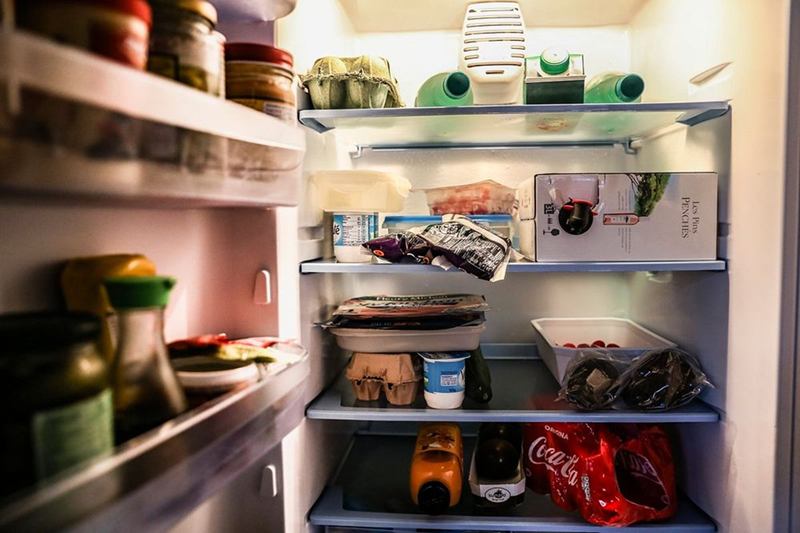
You come home from the summer holidays, open the fridge for a cold drink – and are greeted by a sour smell from a forgotten yoghurt and a half-used cucumber. In August, when many families return just before school starts, it is a familiar scene. The good news: you can clean your fridge thoroughly in under an hour with nothing more than warm water, washing-up liquid and baking soda.
Follow these five steps to clean a fridge properly, get rid of odours and keep food fresh and safe afterwards.
Why fridges start to smell
Fridge odours usually come from food that has gone off, spills that have dried unnoticed and the moisture that collects at the back wall. Cold slows down bacteria and moulds, but it doesn't stop them. When nobody opens the fridge for two weeks, a single leaking pack can be enough.
The Federal Food Safety and Veterinary Office (BLV) points out that germs spread via hands, surfaces and cloths, and recommends cleaning surfaces and utensils with hot water and soap. The same logic applies inside the fridge: regular cleaning prevents cross-contamination between raw and ready-to-eat food.
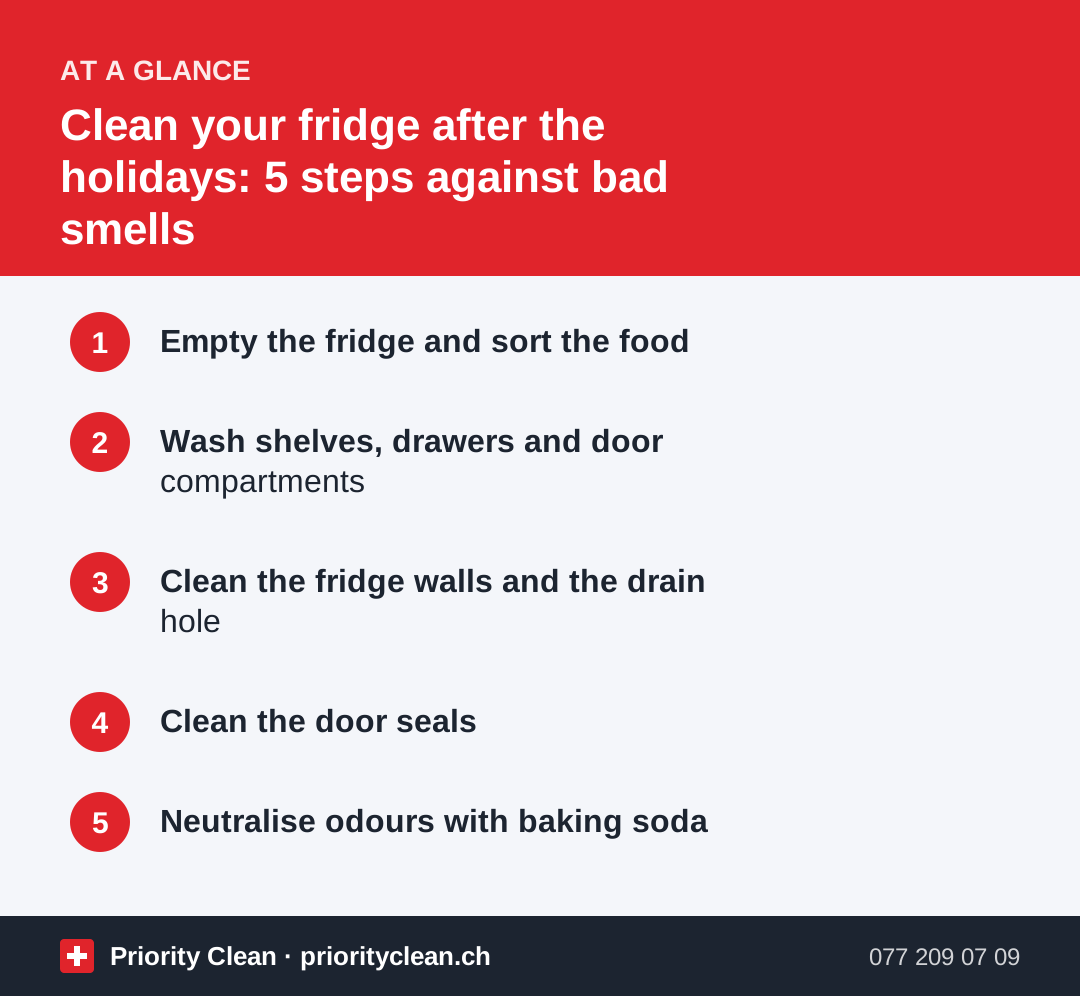
1. Empty the fridge and sort the food
- Switch the fridge off (or unplug it) as described in the manual.
- Take everything out and put perishable food in a cool bag with ice packs.
- Check use-by dates and throw away anything spoiled, mouldy or of uncertain age.
- Wipe sticky jars and bottles before they go back in.
Dispose of food correctly: packaging goes in the rubbish or recycling, and many communes accept food scraps in the green-waste bin – check your local waste calendar.
2. Wash shelves, drawers and door compartments
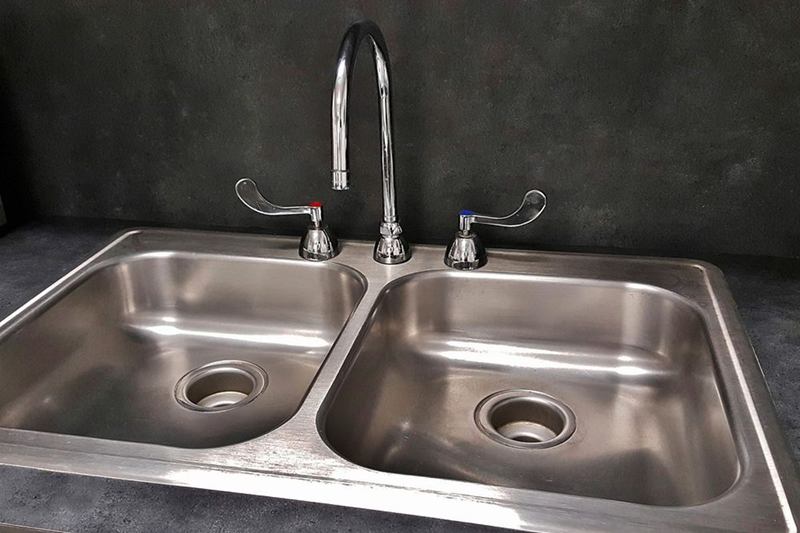
Removable parts are easiest to clean in the sink.
- Fill the sink with warm water and a little washing-up liquid.
- Let glass shelves reach room temperature first – cold glass can crack in hot water.
- Wash drawers and door racks with a soft sponge; use an old toothbrush for grooves.
- Rinse and dry everything with a clean tea towel.
Don't put fridge parts in the dishwasher unless the manufacturer allows it – some plastics warp or become brittle.
3. Clean the fridge walls and the drain hole
With the fridge empty, wipe the inside walls, ceiling and floor with warm soapy water and a microfibre cloth, then with clear water, then dry.
Now look at the back wall. Most fridges have a small drain channel and drain hole that carries condensation to an evaporation tray at the back. If it's blocked with food residue, water collects at the bottom of the fridge and begins to smell.
- Locate the channel and hole at the bottom of the back wall.
- Clean the channel with a cotton bud dipped in warm soapy water.
- Push a pipe cleaner or the plastic cleaning tool supplied with many fridges gently into the hole.
- Rinse with a little lukewarm water using a syringe or small bottle – it should drain freely.
If ice builds up on the back wall regularly, the fridge may need defrosting – see our guide on defrosting a fridge.
4. Clean the door seals
Seals are easy to forget, but crumbs and mould like to settle in their folds. According to EnergieSchweiz, clean seals also help the door close tightly, which saves energy.
- Wipe the folds with warm soapy water and a soft cloth or cotton bud.
- Dry them thoroughly.
- Test the seal: close the door on a sheet of paper. If you can pull it out easily, the seal may need replacing.
Avoid vinegar and alcohol on rubber seals over the long term – they can make them brittle.
5. Neutralise odours with baking soda
After cleaning, a persistent smell may remain in the plastic. Baking soda is the simplest remedy.
- For cleaning: dissolve 1–2 tablespoons of baking soda in a litre of warm water and wipe the inside once more.
- For odours: put an open bowl with a few tablespoons of baking soda on a middle shelf and replace it every few months.
- Leave the door open for an hour after cleaning if the smell is strong.
Scented sprays only mask the problem and don't belong near food.
Refill correctly: temperature and storage
Once the fridge is clean and dry, switch it back on and let it cool before refilling.
| Recommendation | Temperature | Source |
|---|---|---|
| General energy-saving setting for the fridge | 7 °C | EnergieSchweiz |
| Meat, poultry and fish | Below 5 °C (coldest zone) | BLV |
| Freezer | −18 °C | EnergieSchweiz |
Both recommendations fit together: set the fridge sensibly and store raw meat and fish in the coldest zone – usually the bottom shelf above the vegetable drawers. Put chilled groceries in the fridge immediately after shopping, keep raw and cooked food separate, and store opened food in closed containers.
Common mistakes when cleaning the fridge
- Hot water on cold glass shelves: Risk of cracks.
- Abrasive sponges: Scratches in plastic trap dirt and smells.
- Forgetting the drain hole: Water and odours keep coming back.
- Refilling immediately: Wet surfaces and a warm fridge are ideal for mould – dry everything and wait until it's cool.
- Harsh chemicals: Residues near food are best avoided.
If the stainless steel front has fingerprints, our guide on how to clean stainless steel shows how to get it streak-free.
Frequently asked questions
How do I clean a smelly fridge?
Empty it, throw away spoiled food, wash shelves and walls with warm soapy water, clean the drain hole and seals, and dry everything. Then place an open bowl of baking soda inside to absorb remaining odours.
How do I clean the fridge drain hole?
Clean the channel at the back wall with a cotton bud and warm soapy water, then gently push a pipe cleaner or the supplied cleaning tool into the hole. Flush with a little lukewarm water to check it drains freely.
Can I clean my fridge with vinegar?
Diluted vinegar can be used occasionally on plastic surfaces, but it isn't necessary and can harm rubber seals over time. Warm water with washing-up liquid and baking soda does the job gently.
How often should I clean the fridge?
Wipe up spills immediately and check food weekly. A thorough clean with all shelves removed is sensible every few months – and after a long absence.
Thanks for your feedback! Feel free to share the guide.
Thanks! What was missing? Drop us a line – we will improve the guide. WhatsApp