A washing machine cleans your clothes – but who cleans the washing machine? When towels come out smelling musty or you spot grey slime in the detergent drawer, it's time. If you clean your washing machine regularly, laundry smells fresher, the machine runs more reliably and you avoid residue on your clothes. And in Switzerland, where many people share a machine in the building's laundry room (Waschküche), it's also a matter of good neighbourliness.
These are the five spots almost everyone forgets – and how to clean each of them.
Why washing machines get dirty
Modern washing at low temperatures saves a lot of energy. EnergieSchweiz recommends low temperatures of 20–30 °C, eco programmes and full loads, and advises against increasing the detergent dose at low temperatures. This is good for the environment and your clothes.
The downside: at low temperatures, fabric softener and detergent residue, lint and skin particles aren't always flushed out completely. Combined with moisture that stays in the drum after washing, they form a greasy film where bacteria and mould can grow. The result is a musty smell that transfers to your laundry.
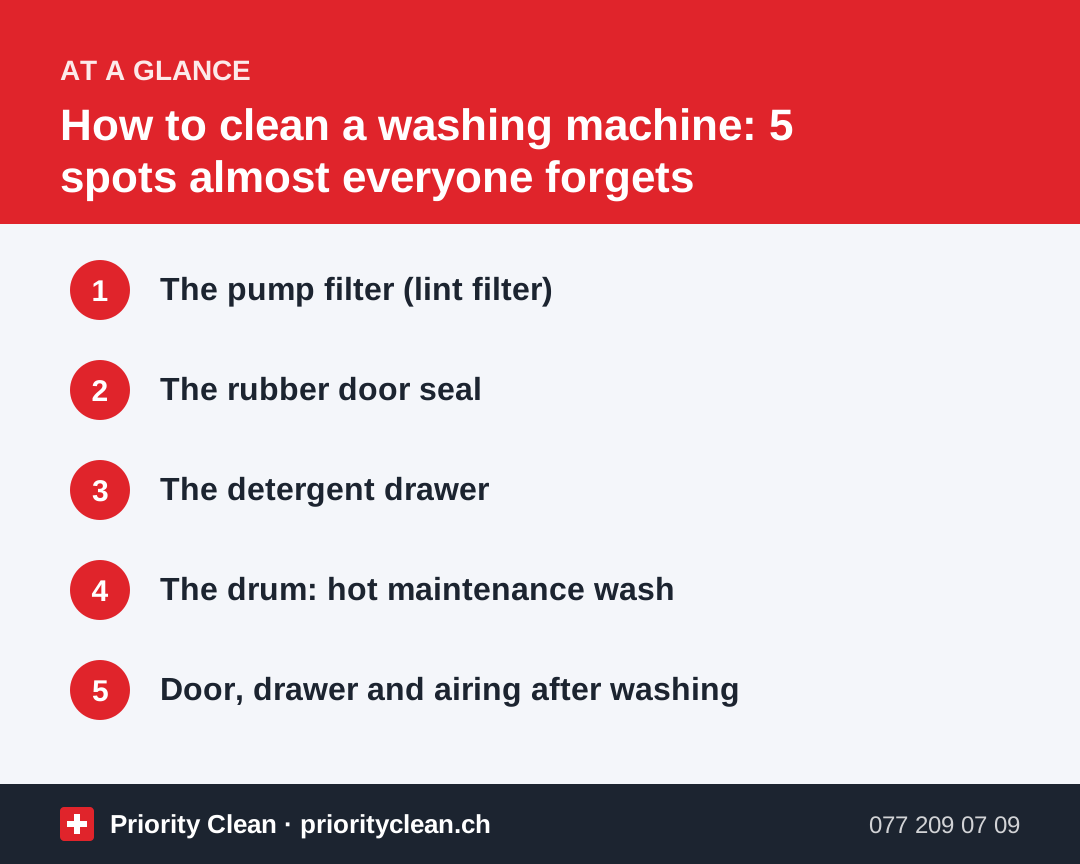
1. The pump filter (lint filter)
The pump filter sits behind a small flap at the bottom front of most machines. It catches lint, hair, coins, hair clips and tissues – and it's the spot most people have never opened.
- Unplug the machine and wait until the water has cooled if you washed hot.
- Place a flat tray and towels on the floor – residual water will come out.
- If there is a small emergency drain hose, drain the water through it first.
- Unscrew the filter slowly, remove debris and rinse the filter under running water.
- Wipe the filter opening, screw the filter back in tightly and check it doesn't leak.
Check your manual for the exact position and procedure. In shared laundry rooms, this is usually done by the caretaker – ask before opening machines that belong to the building.
2. The rubber door seal
The folded rubber seal around the door is the most common place for black spots and slime, because water collects there after every wash.
- Pull back the folds gently and look inside – you'll often find hair, lint, socks and grey residue.
- Wipe with warm water and a little washing-up liquid on a microfibre cloth.
- Use an old toothbrush for the deeper folds.
- Dry everything with a clean cloth.
Black spots that don't come off are often mould that has grown into the rubber. In that case the seal may need replacing – a job for a technician.
3. The detergent drawer
Liquid detergent and fabric softener leave sticky residue in the drawer and in the channel behind it.
- Pull the drawer out completely – most have a release tab in the middle.
- Soak it in warm water with a little washing-up liquid for 15–30 minutes.
- Scrub corners and the siphon cap with a brush, rinse and dry.
- Use a torch to look into the housing behind the drawer: clean the top and sides with a brush and cloth.
4. The drum: hot maintenance wash
To remove the greasy film inside the drum and hoses, many manufacturers recommend an occasional hot wash without laundry.
- Run a hot programme (often 60 °C or 90 °C, depending on your machine and manual) with an empty drum.
- Add a small amount of powder detergent or a machine cleaner approved by the manufacturer.
- Some machines have a dedicated drum-cleaning programme – use that if available.
This doesn't contradict energy-saving washing: you wash your laundry at low temperatures and run a maintenance wash only occasionally.
5. Door, drawer and airing after washing
The simplest step is also the most effective: let the machine dry.
- Leave the door ajar after washing (if there are no small children or pets around).
- Pull the detergent drawer out slightly.
- Take laundry out promptly – wet laundry left in the drum smells within hours.
- In a small bathroom, open the window or run the fan after washing.
For smells that stay in textiles even after a clean machine, see our guide to musty-smelling laundry.
Shared laundry rooms in Swiss apartment buildings
In many Swiss apartment buildings, a laundry room schedule (Waschplan) and rules for cleaning after use are common. Usually tenants wipe the machine, empty the lint filter of the tumble dryer and leave the room tidy. The tenants' association points out that house rules and laundry room rules only apply if they are part of your lease – but in practice, a clean machine avoids conflicts.
| Task | Your job as a user (typical) | Caretaker or landlord |
|---|---|---|
| Wipe drum, door and seal after use | Yes | – |
| Empty tumble dryer lint filter | Yes | – |
| Clean detergent drawer | Often | Sometimes |
| Pump filter, repairs, descaling | Only if permitted | Usually |
Our guide to laundry room rules covers etiquette and responsibilities in more detail.
Common mistakes when cleaning a washing machine
- Too much detergent or fabric softener: More residue, not cleaner laundry.
- Closing the door straight after washing: Moisture stays trapped.
- Never opening the pump filter: Blocked filters cause drainage errors and smells.
- Mixing cleaning products: Dangerous reactions and damage to seals.
- Only washing at 20 °C and never maintaining: Low temperatures are good, but the machine needs occasional care.
Frequently asked questions
How do I clean a smelly washing machine?
Clean the door seal, detergent drawer and pump filter, then run a hot maintenance wash without laundry as described in your manual. Afterwards, leave the door and drawer ajar so the machine can dry.
Can I clean my washing machine with vinegar?
Occasionally diluted vinegar is used, but acids can attack rubber seals and hoses over time. Check the manufacturer's manual first and prefer the products it recommends. Never combine vinegar with chlorine-based cleaners.
How often should I clean the washing machine filter?
Every few months is a good rhythm for most households, and more often if you wash a lot of pet blankets or towels. Clean it immediately if the machine doesn't drain properly.
Why does my washing machine have black mould on the seal?
Water and detergent residue stay in the folds of the seal and the machine rarely dries out. Clean the seal regularly and leave the door ajar. If the black spots have grown into the rubber, the seal may need replacing.
Thanks for your feedback! Feel free to share the guide.
Thanks! What was missing? Drop us a line – we will improve the guide. WhatsApp