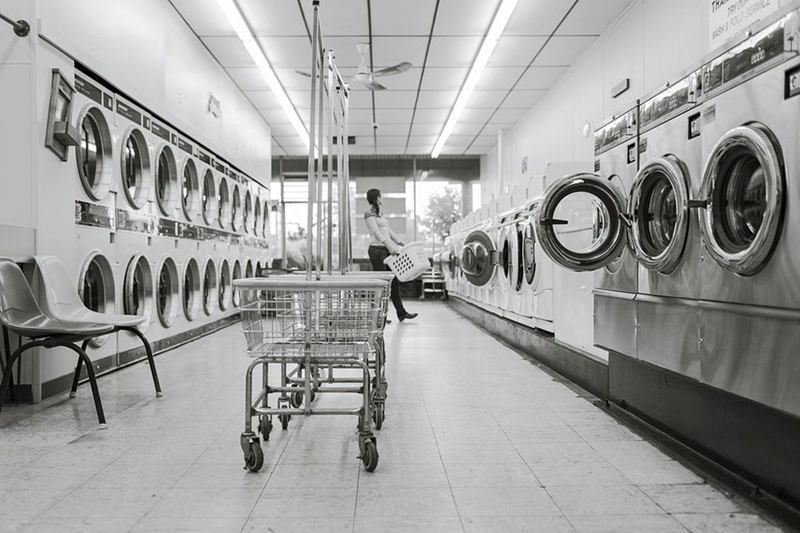
For many expats, the shared laundry room in the basement is one of the first real lessons in Swiss apartment living. There is a schedule, there are house rules, and there is sometimes a note on the door when someone has left fluff in the dryer. Clear laundry room rules are not bureaucracy for its own sake: when a dozen households share two machines, they are what keeps things fair and clean. Here are five rules that help tenants, owners and property managers alike.
Why laundry rooms cause so much friction
A shared laundry room combines everything that causes neighbourly conflict: limited time slots, shared appliances, moisture and visible dirt. One household's forgotten laundry blocks the next one's slot; a clogged lint filter makes the dryer slower for everyone.
In Switzerland, laundry room use is usually governed by the house rules. The tenants' association points out that house rules are binding only if they were made part of the lease – which is the case in many leases. Read them: they often set times, booking systems and cleaning duties.
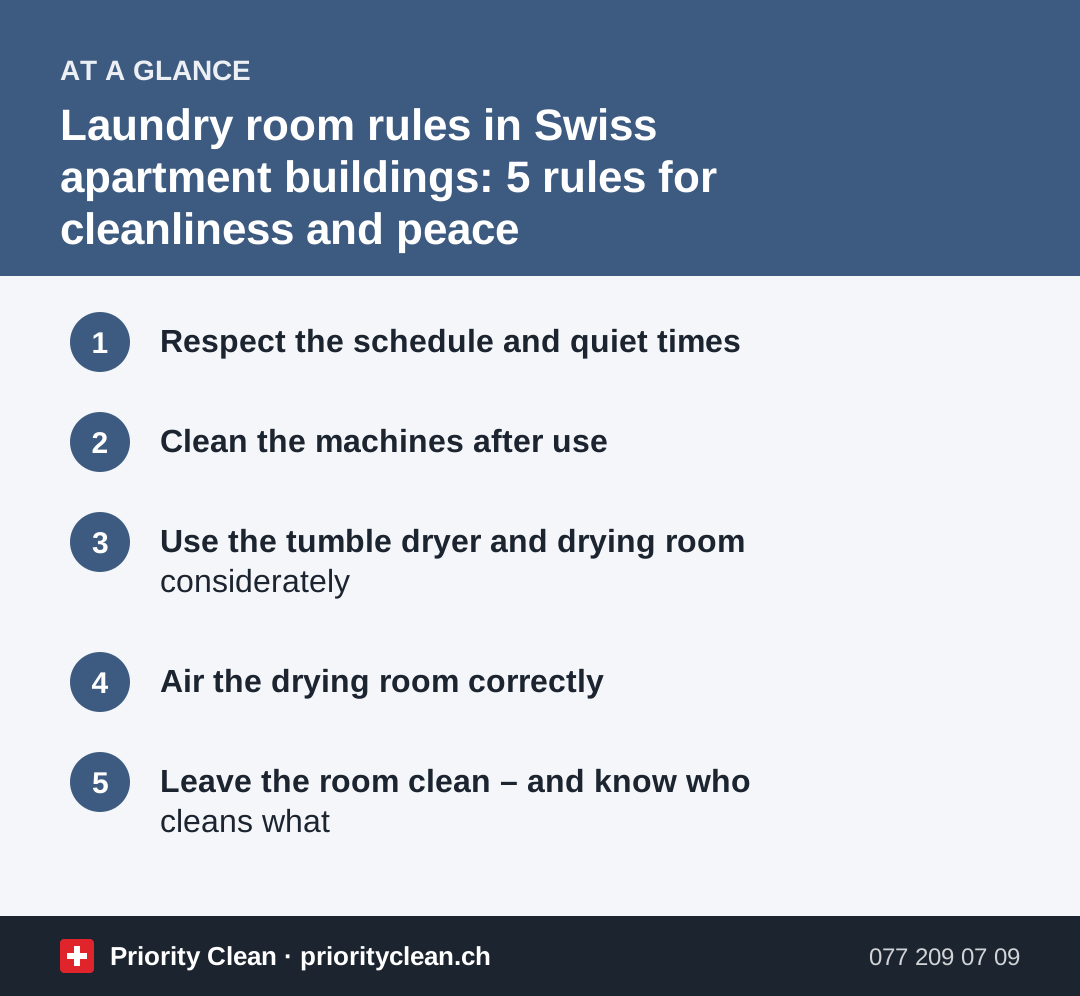
1. Respect the schedule and quiet times
Most buildings use a schedule – a paper plan, a key or token system, or a digital booking tool.
- Use only your booked slot and finish on time, including unloading.
- If you do not need your slot, release it or let neighbours know if the system allows swaps.
- Observe quiet times in the house rules; many buildings do not allow washing late in the evening, at night or on Sundays.
- Do not start a machine shortly before your slot ends if it will run into the next person's time.
2. Clean the machines after use
Leaving a machine clean is one of the most important laundry room rules.
| After each use | What to do |
|---|---|
| Washing machine | Wipe the door seal, remove hairs and fluff, leave the door ajar |
| Detergent drawer | Rinse out residue if it is clumped |
| Tumble dryer | Empty the lint filter; empty the condensate container if there is one |
| Drying cabinet or room | Remove all items and pegs |
| Sink | Rinse and remove fluff |
Heavily soiled items such as work clothes, pet blankets or muddy sports kit should be shaken out or brushed outdoors first. If the machine smells or looks dirty, tell the caretaker instead of ignoring it. How to deal with the inside of a washing machine is covered in our guide on cleaning a washing machine.
3. Use the tumble dryer and drying room considerately
- Check the care labels – not everything is suitable for tumble drying.
- Clean the lint filter before and after use; a blocked filter increases drying time for everyone.
- Remove laundry from drying lines as soon as it is dry, even if your slot has ended, as the house rules often require.
- Do not dry laundry in the stairwell or other common areas unless it is explicitly allowed.
Washing at lower temperatures and running full loads saves energy and time. EnergieSchweiz recommends low temperatures and eco programmes for everyday laundry – useful in a shared laundry room where every slot counts.
4. Air the drying room correctly
Drying laundry releases a lot of moisture. Without proper airing, damp walls, musty smells and mould can appear.
- Follow the house rules on windows and dehumidifiers.
- If airing by window, open fully for a short time rather than leaving windows tilted all day, as the FOPH explains in its advice on correct airing.
- In winter, close windows after airing to avoid frost damage to pipes.
- Switch on the dehumidifier if one is installed and empty its tank if required.
If laundry takes a long time to dry or the room smells musty, report it to the property management – our guide on laundry that smells musty explains possible causes.
5. Leave the room clean – and know who cleans what
Each user should leave the laundry room as they found it:
- Pick up fluff, lost socks and packaging.
- Wipe up spilled detergent and water on the floor.
- Close detergent containers and take them back to your flat unless storage is allowed.
- Switch off lights and appliances.
Who does the regular thorough cleaning of the laundry room depends on the lease and house rules: in some buildings, tenants take turns; in others, the caretaker or a cleaning company cleans the common areas. We explain the different models in our article on responsibility for stairwell cleaning.
Common mistakes in the shared laundry room
- Overrunning your slot: The most common cause of conflict between neighbours.
- Leaving fluff in the dryer: Longer drying times for everyone and a fire risk.
- Laundry left hanging for days: Blocks space for others.
- Tilted windows in winter: Risk of cold walls, condensation and frost.
- Anonymous angry notes: A friendly conversation or a message to the caretaker works better.
Frequently asked questions
What are typical laundry room rules in Switzerland?
Common rules include using only your booked slot, respecting quiet times, removing laundry promptly, cleaning the lint filter and machine after use, airing correctly and leaving the room clean. The exact rules are set in the house rules of each building.
Are house rules for the laundry room binding?
According to the tenants' association, house rules are binding if they were made part of the lease. Check your lease and the house rules you received when you moved in.
Who has to clean the shared laundry room?
Each user cleans up after themselves. The regular thorough cleaning depends on the lease and house rules: tenants may take turns, or the caretaker or a cleaning company does it.
Can I dry laundry in the stairwell?
Usually not. Stairwells are escape routes and should be kept free. Dry laundry in the drying room or in your flat, unless the house rules explicitly allow otherwise.
Thanks for your feedback! Feel free to share the guide.
Thanks! What was missing? Drop us a line – we will improve the guide. WhatsApp