A cleaning rota taped to the entrance door, a neighbour who leaves a note about muddy footprints, a line called "caretaking" on your annual service charge statement: for many expats, stairwell cleaning is one of the more confusing parts of Swiss apartment life. In some buildings tenants take turns with mop and bucket, in others a company comes every week and nobody ever sees them.
Who is actually responsible depends on the type of building and, above all, on what was agreed. The following five answers give you a general overview – they are not legal advice, and your lease and house rules always take priority.
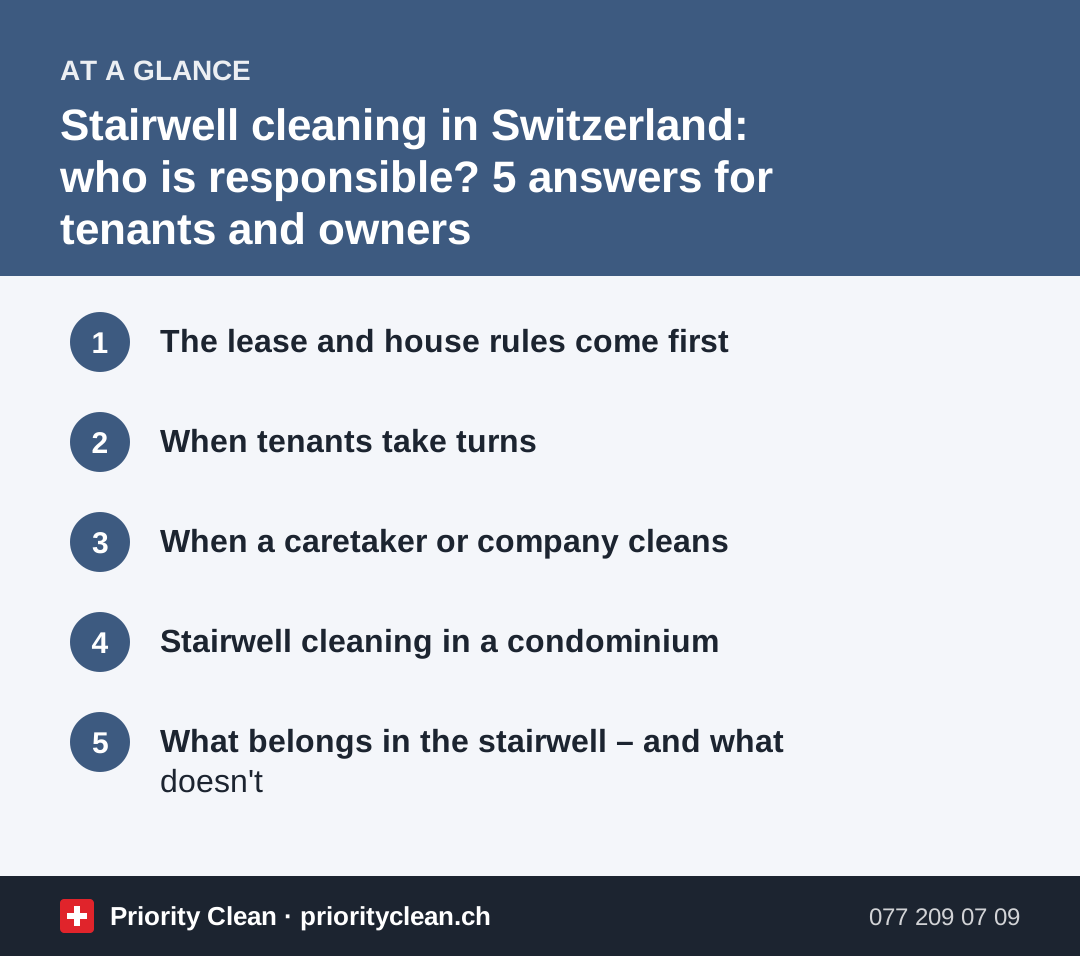
1. The lease and house rules come first
In Swiss rental law, a lot is left to the contract. Many leases include house rules (Hausordnung / règlement de maison) that set out the use of the laundry room, rest periods and the cleaning of common areas. The Swiss tenants' association explains in its Q&A on house rules that house rules only bind you if they were made part of your lease, and that tenants only have to clean the stairwell if this has been agreed.
Practical steps if you are unsure:
- Find your lease and check the annexes – house rules are often attached as a separate sheet.
- Look for words such as "Treppenhausreinigung", "Reinigungsturnus", "nettoyage de la cage d'escalier" or "caretaking".
- Check the notice board in the entrance for a rota and ask the property management whether it is binding.
- If nothing is agreed, ask the property management in writing how cleaning is organised.
2. When tenants take turns
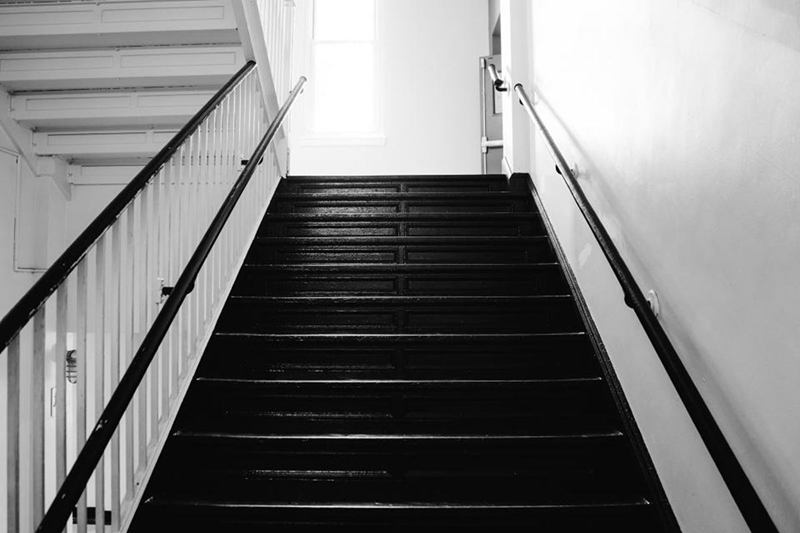
Rotas are still common in smaller buildings, especially in rural areas. If your lease says tenants clean the stairwell, it usually covers sweeping and mopping the stairs and landings on your floor or along the whole building, wiping handrails and sometimes cleaning the entrance area and letterboxes.
A few points make shared stairwell cleaning work smoothly:
- Clear rules: Which floors, which tasks, how often – ideally written down.
- Handover: A simple sign or rota card that moves from door to door.
- Holidays: Swap your turn with a neighbour rather than skipping it.
- Materials: Clarify whether there is shared equipment in the cleaning cupboard or whether everyone uses their own.
If you cannot do your turn for health or work reasons, you can generally arrange a replacement at your own expense – for example a neighbour or a cleaning service. Talk to the property management first.
3. When a caretaker or company cleans
In most larger buildings, a caretaker (Hauswart / concierge) or a professional stairwell cleaning company takes care of the common areas. The costs are then often passed on to tenants as ancillary costs (Nebenkosten / frais accessoires).
Important in general terms:
- Ancillary costs can only be charged separately if the lease lists them specifically.
- You are entitled to see the underlying documents for your service charge statement.
- If the cleaning is clearly not being done, report it to the property management in writing, ideally with photos and dates.
For tenants, this model usually means less friction with neighbours. For landlords, it means consistent quality and fewer complaints.
4. Stairwell cleaning in a condominium
In a condominium (Stockwerkeigentum / propriété par étages), the stairwell is a common part of the building. The owners decide together – usually at the owners' meeting – how it is cleaned and maintained, and the rules are often set out in the community's regulations.
Under Art. 712h of the Swiss Civil Code, owners contribute to the common charges and administration costs in proportion to their value quotas. That includes ongoing maintenance of common parts, so professional cleaning is typically paid from the community's budget.
If you rent a flat in a condominium, your landlord is the individual owner. Your lease with them still governs what you have to do – the community's regulations don't automatically bind you unless they are part of your lease.
5. What belongs in the stairwell – and what doesn't
Regardless of who cleans, the stairwell is a shared space and an escape route. The Swiss fire prevention advice on stairwells and escape routes says corridors and stairs must be kept free and no combustible materials may be stored there.
That often leads to conflicts about:
- Shoe racks and boots outside flat doors.
- Prams, scooters and bicycles in the entrance area.
- Plants, umbrella stands and doormats that block the way or make cleaning harder.
- Waste bags left in the stairwell "just until tomorrow".
Items in the way also make proper stairwell cleaning impossible. Check your house rules – many allow a doormat but little else.
Overview: who is usually responsible for what?
| Situation | Who cleans | Who pays |
|---|---|---|
| Rented building, rota in the lease | Tenants in turn | Tenants (their own time) |
| Rented building, caretaker or company | Caretaker or cleaning company | Landlord, passed on as ancillary costs if agreed |
| Rented building, nothing agreed | Generally the landlord's responsibility | Landlord |
| Condominium | Owners' community decides | Owners by value quota |
Common mistakes and misunderstandings
- Assuming the notice-board rota is binding: It may be, if it reflects the house rules in your lease – check first.
- Skipping your turn without telling anyone: This quickly causes tension with neighbours.
- Storing things in the stairwell: Hinders cleaning and can breach fire safety rules.
- Arguing directly with neighbours instead of the property management: Clarify responsibilities with the party you have a contract with.
- Using too much water on stone stairs: Creates slipping hazards and residue – wipe damp, not wet.
Frequently asked questions
Do tenants have to clean the stairwell in Switzerland?
Only if it has been agreed, usually in the lease or in house rules that form part of it. Without such an agreement, the landlord is generally responsible for keeping common areas reasonably clean.
Can the landlord charge stairwell cleaning as ancillary costs?
Generally yes, if the lease specifically lists these costs as ancillary costs. You can ask to see the supporting documents for your statement.
Who pays for stairwell cleaning in a condominium?
The owners' community, usually from the common budget. Each owner contributes according to their value quota as provided in the Civil Code and the community's regulations.
What can I do if my neighbours don't do their turn?
Speak to them politely first. If that doesn't help, inform the property management in writing – enforcing the house rules is their job, not yours.
Thanks for your feedback! Feel free to share the guide.
Thanks! What was missing? Drop us a line – we will improve the guide. WhatsApp