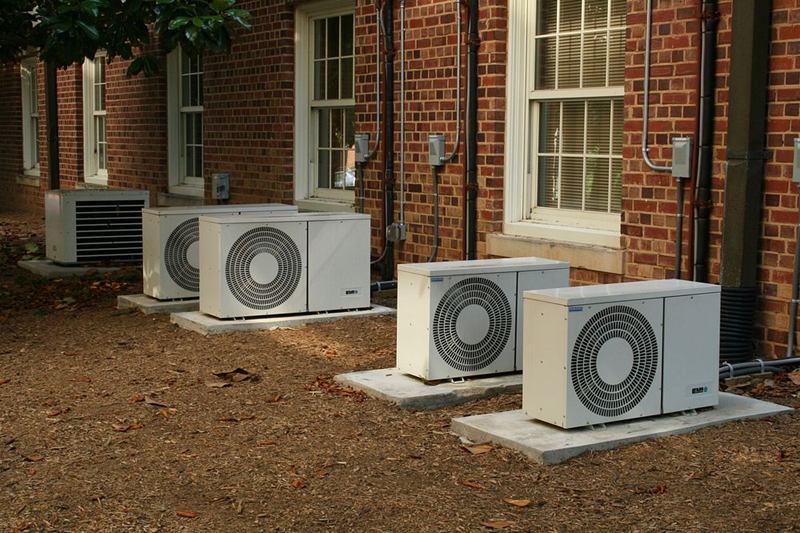
In autumn, leaves pile up against the grille; in early summer, pollen and poplar fluff stick to the fins; in winter, snow builds up around the casing. You don't need to be a technician for basic heat pump cleaning: the outdoor unit of an air-to-water heat pump mainly needs air to flow freely and its surroundings to stay clear. Owners, caretakers and – by arrangement – tenants can handle that themselves.
Everything behind the cover, on the other hand, belongs in the hands of the service company. This guide shows what you can do gently and safely, when a professional needs to step in and why a little care makes a noticeable difference to your electricity use.
Why heat pump cleaning matters
An air-to-water heat pump draws heat from the outside air. A fan blows air through the evaporator, a block of thin aluminium fins. If a film of dirt settles on them, heat transfer gets worse – the system has to run longer to deliver the same amount of heat. According to an operational-optimisation sheet from SwissEnergy (EnergieSchweiz), a heavily soiled evaporator can use up to 45 % more energy.
Typical build-up through the year:
| Season | What collects | Result |
|---|---|---|
| Spring and early summer | Pollen, poplar and willow fluff, petals | Fine film on the fins |
| Summer | Dust, cobwebs, insects, grass clippings | Fins and grille clog up |
| Autumn | Leaves, pine needles, small twigs | Air intake is blocked |
| Winter | Snow, ice around the unit | Air paths and defrost water drain are obstructed |
SwissEnergy also names a warning sign: if the fan squeaks or hums unusually, that can point to dirt build-up – a case for the service company.
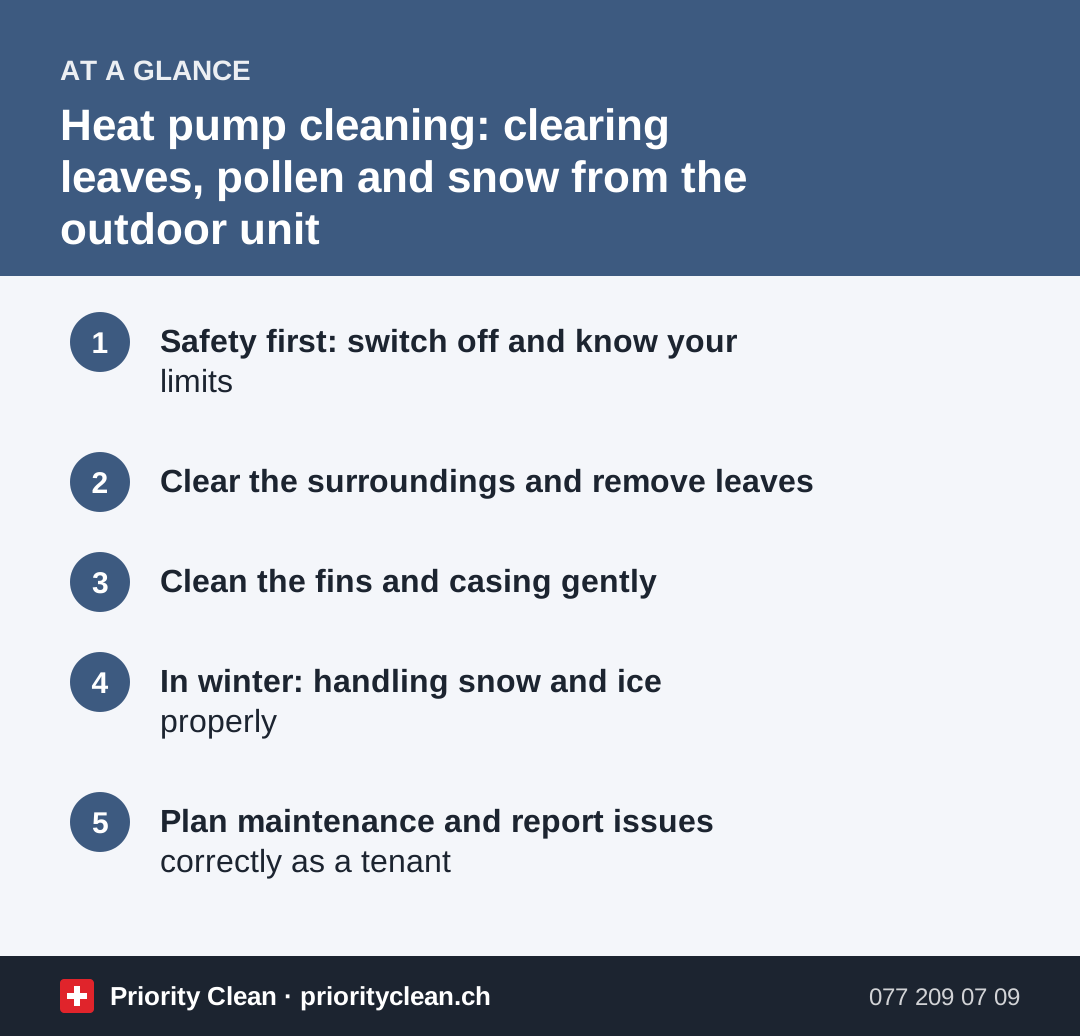
1. Safety first: switch off and know your limits
Before working on the outdoor unit, switch the heat pump off as the manual describes – depending on the model via the controller, a service switch or the fuse. Otherwise the fan can start up automatically at any moment. If you can't find the manual, ask the installer or the property management.
2. Clear the surroundings and remove leaves
The simplest and most important step: air must be able to flow in and out without obstruction.
- Remove leaves, branches and litter around the unit by hand or with a rake, including underneath and around the defrost water drain.
- Pick leaves off the intake grille by hand or sweep them away with a soft brush.
- Don't park bikes, garden furniture, rubbish bags or plant pots in front of the unit.
- Trim hedges and shrubs so the clearances given in the manual are respected.
How to deal with leaves across the whole property, and who is responsible if you rent, is covered in our guide on clearing leaves as a tenant.
3. Clean the fins and casing gently
If the grille and fins are only lightly covered in pollen, dust or cobwebs, clean them from the outside:
- Switch the unit off as described in the manual.
- Remove loose dirt with a soft brush or hand brush – always in the direction of the fins, usually from top to bottom, without pressing.
- If needed, rinse with a garden hose without pressure, on a gentle shower setting, from top to bottom. No hard jet, and never at an angle to the fins.
- Wipe the casing with a damp cloth and a little mild washing-up liquid, then wipe again with clean water.
- Only switch the unit back on once you've finished, and check that it runs normally.
Don't straighten bent fins yourself. Straightening them with a fin comb and deep cleaning the evaporator from both sides are part of the maintenance carried out by the service company. SwissEnergy recommends this deeper cleaning about every two years, more often at dusty sites – ideally in autumn after the leaves have fallen or in June after the pollen season.
4. In winter: handling snow and ice properly
The heat pump works hardest in winter – and that is exactly when the outdoor unit must not get snowed in.
- Clear snow around the unit and in front of the intake grille with a plastic shovel or a broom. Don't knock against the unit.
- A thin layer of frost on the fins is normal: the system defrosts itself at regular intervals. The meltwater must be able to drain away freely.
- If thick blocks of ice form and don't disappear, or the drain freezes, report it to the service company or the property management. Never chip ice off with tools and never pour hot water over it.
- Never cover the unit with tarpaulins or plastic sheeting while it is running.
You can help the system from indoors, too: in its winter tips, SwissEnergy recommends airing three times a day for 5 to 10 minutes with windows wide open or a cross-draught, instead of leaving them tilted. Less heat escapes that the heat pump would otherwise have to produce again. Who has to clear paths and entrances in winter? Our guide on clearing snow as a tenant explains.
5. Plan maintenance and report issues correctly as a tenant
In a rented building, the heat pump is part of the building services. Upkeep and maintenance are generally the landlord's responsibility, often through a maintenance contract with the installer. Tenants shouldn't work on the unit themselves but should report the following to the property management or caretaker:
- leaves or snow you can't or aren't allowed to remove yourself
- an error message on the controller or an unusually high electricity bill
- a squeaking, humming or grinding fan
- thick icing that no longer thaws
- bent or heavily soiled fins
Exactly what the caretaker covers is set out in their job description. Owners of a detached house arrange servicing directly with the installer. How to change the filters of a comfort ventilation system is covered in a separate guide – there, too, simple care is up to you and the technology is for the professional.
Common heat pump cleaning mistakes
- Pressure washer: the hard jet bends the thin fins, and water can get into sensitive parts.
- Unscrewing the cover: the fan and electrics are not for amateurs – not even "just for a moment".
- Scraping off ice: tools damage the fins. Defrosting is a job for the system or the professional.
- Wrapping the unit up: tarpaulins and sheeting block the airflow and cause faults.
- Chemical cleaners: harsh products can attack the aluminium. Mild washing-up liquid is enough for the casing.
Frequently asked questions
How often is heat pump cleaning needed?
Check the area around the outdoor unit regularly, especially in autumn and winter. SwissEnergy recommends a thorough cleaning of the evaporator by the service company about every two years, more often at dusty sites.
Can I rinse the fins with a garden hose?
A gentle shower without pressure, from top to bottom and with the unit switched off, is usually fine for light dirt. Follow the manual; a pressure washer is off limits.
Do I have to clean the heat pump as a tenant?
Usually not. The system is part of the building services, and its maintenance is the landlord's responsibility. Your duties are set out in the tenancy agreement. Report leaves, snow or faults to the property management.
Is ice on the outdoor unit dangerous?
A thin layer of frost is normal, and the system melts it itself. If thick blocks of ice remain or the drain is frozen, call the service company. Never chip the ice off or pour hot water over it.
Thanks for your feedback! Feel free to share the guide.
Thanks! What was missing? Drop us a line – we will improve the guide. WhatsApp