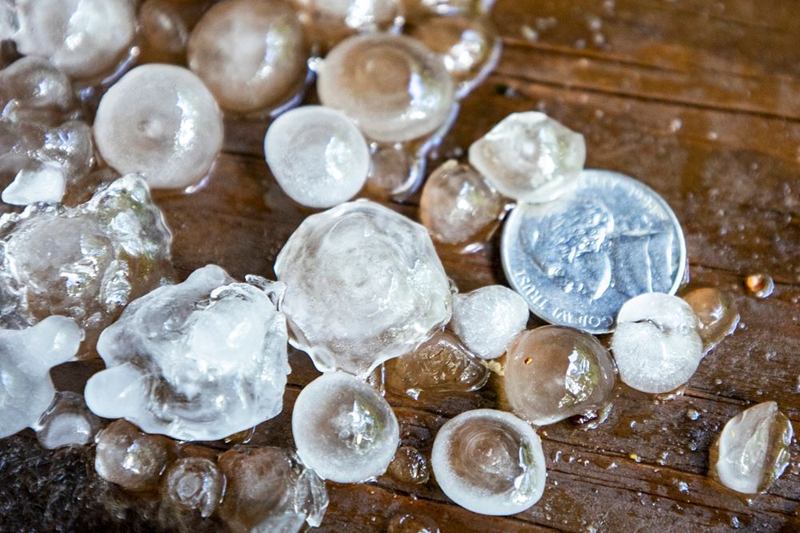
A summer storm rolls in, and within minutes hailstones are pelting the balcony, blinds and windows. When it's over, there's ice, shredded leaves and mud everywhere, and perhaps a dented slat or a cracked pane. With hail damage, the rule is simple: secure and document first, clean afterwards.
Clearing up in the wrong order can wipe out evidence your insurer will want to see, or cause further damage to blinds that are already broken. Five steps show how to go about it, whether you rent or own.
What a hailstorm does around your home
Depending on the storm, hailstones can be as small as peas or considerably larger. They mainly hit whatever is outside and unprotected: external venetian blinds, fabric awnings, roof windows, balcony furniture and plants. On top of that come leaves, branches and mud washed in by the heavy rain.
| Area | Typical damage | First point of contact |
|---|---|---|
| External blinds, roller shutters | dented slats, jammed guide rails | property management or owner |
| Windows, roof windows | cracks, broken glass | property management; for owners, building insurance |
| Fabric awnings | tears, bent arms | property management or owner |
| Balcony furniture, plants, bicycle | dents, shredded leaves | your own household contents insurance |
| Balcony drain, gutter | blocked by ice and leaves | clear it yourself, report the gutter to the caretaker |
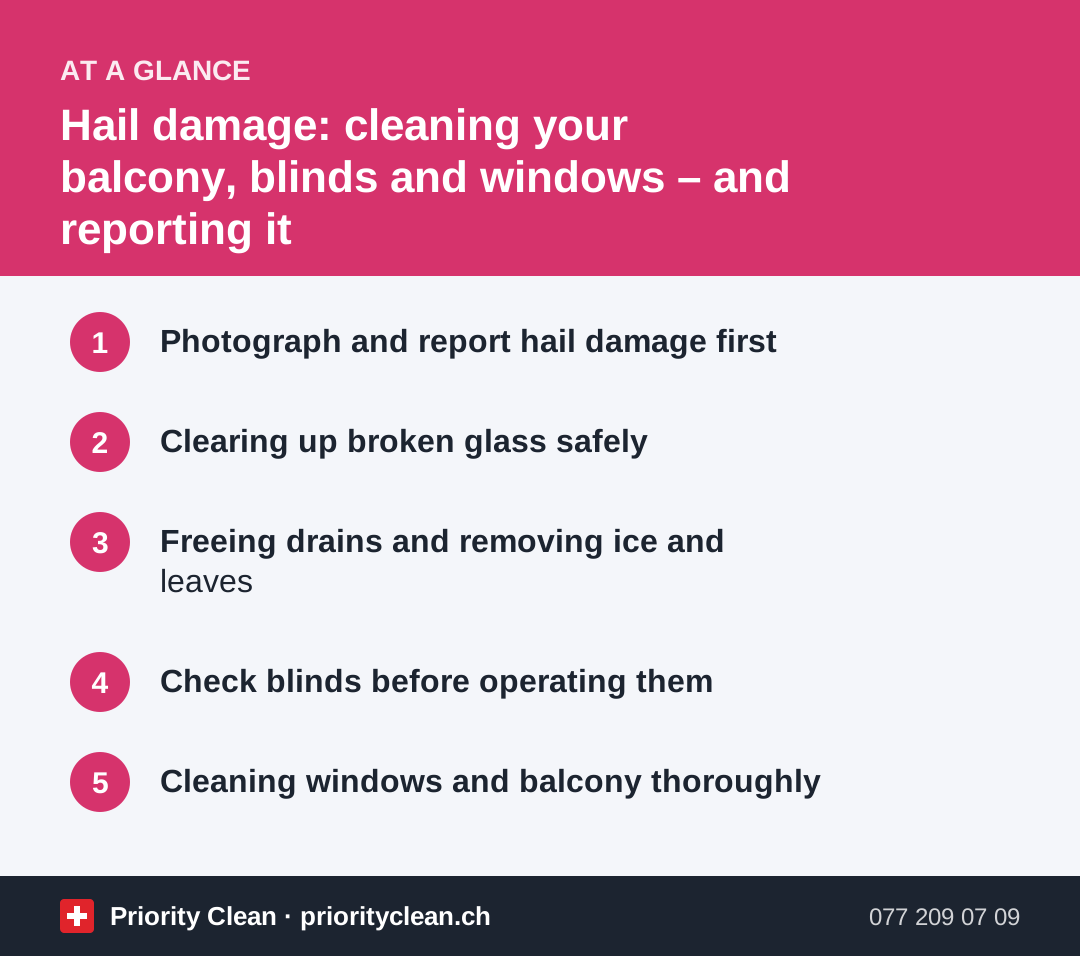
1. Photograph and report hail damage first
Before you pick up a broom, document the damage. Take overview shots and close-ups, ideally with the date and time, and note when the storm happened. Don't throw away damaged items until your insurer has given the go-ahead.
Who pays depends on what has been damaged. The Swiss consumer foundation Stiftung für Konsumentenschutz explains that in most cantons, buildings are covered by the compulsory cantonal building insurance, and household contents by private contents insurance. Blinds, windows and the facade are part of the building.
Tenants should therefore report damage to the building to their property management promptly, preferably in writing and with photos. Owners contact their building insurance. For damaged balcony furniture or potted plants, contact your own household contents insurer.
2. Clearing up broken glass safely
If a window pane, roof window or glass table has shattered, protect yourself first: sturdy work gloves and closed shoes with non-slip soles. Pick up large pieces by hand, sweep small splinters up with a brush and dustpan, and collect the rest with damp kitchen paper.
Wrap the shards in cardboard or newspaper, label the package and put it in the general waste. Window and table glass does not belong in the bottle bank. Cover a broken window temporarily with plastic sheeting until your property management sends a glazier.
3. Freeing drains and removing ice and leaves
Hail and leaves block balcony drains in no time. As the ice melts, water builds up and can seep into the flat under the balcony door. So clear the drain first – wearing gloves, as the leaves often hide sharp twigs.
- Hailstones: shovel them into a bucket and let them melt in the garden or in planters.
- Leaves and shredded plant material: sweep them up and put them in the green waste.
- Mud: let it dry, sweep it up, and only then wash the area down with a little water.
Don't just rinse mud and cleaning products down the drain. The cantonal energy and environment offices point out that in separate sewer systems, rainwater from terraces and squares flows into nature untreated. Clean water is fine, but cleaning products and mud don't belong there. If water has already got into your flat, see our guide to water damage in your apartment.
4. Check blinds before operating them
Dented slats, crooked guide rails or a blind that moves jerkily are warning signs. Stop using a damaged blind, whether by hand or motor. Otherwise the slats can jam or the motor can be damaged. Report the damage and have it assessed by a specialist.
Clean undamaged blinds as soon as they are dry. For slatted blinds, follow our guide on how to clean venetian blinds. Fabric awnings shouldn't stay rolled up wet: let them dry extended in dry weather, provided the fabric and arms are intact.
5. Cleaning windows and balcony thoroughly
Once everything is documented and safe, the actual cleaning can begin. After a hailstorm, mud splashes, bits of leaves and dust often stick to panes and frames.
- Remove coarse dirt from the sill and frame with a hand brush.
- Wash frames and sills with warm water and a little washing-up liquid.
- Wet the panes with a sponge and squeegee them from top to bottom.
- Dry the edges with a microfibre cloth.
- Mop the balcony floor, wash the furniture and let everything dry.
For more tips on exterior panes, see our guide on how to clean outside windows, and for the floor and railing our guide on how to clean a balcony.
The most common mistakes
- Clearing up first, photographing later: without photos, the damage is hard to prove.
- Raising damaged blinds: slats jam and the motor can be damaged.
- Rinsing mud and cleaning products down the drain: the water often flows untreated into the nearest stream.
- Picking up shards barefoot or in thin gloves: tiny splinters cause cuts.
- Standing on chairs or the railing: only a stable ladder is safe for window cleaning.
Frequently asked questions
What should I do first after a hailstorm?
Wait until the storm is over, then photograph all the damage before clearing up. Report damage to the building to your property management or building insurance, and damage to your belongings to your household contents insurance.
Who pays for hail damage to blinds in a rented flat?
Blinds are part of the building. Report the damage to your property management, who will sort it out with the building's insurance. Don't make the damage worse by continuing to operate the blinds.
Can I rinse hailstones and leaves down the balcony drain?
Meltwater can drain away, but leaves and mud block the drain. Remove them by hand. Cleaning products don't belong in drains that may lead directly to a watercourse.
When can I clean the windows after hail?
As soon as the damage is documented and there's no longer any risk from broken glass or faulty blinds. Start with the frames and sills, then move on to the panes.
Thanks for your feedback! Feel free to share the guide.
Thanks! What was missing? Drop us a line – we will improve the guide. WhatsApp