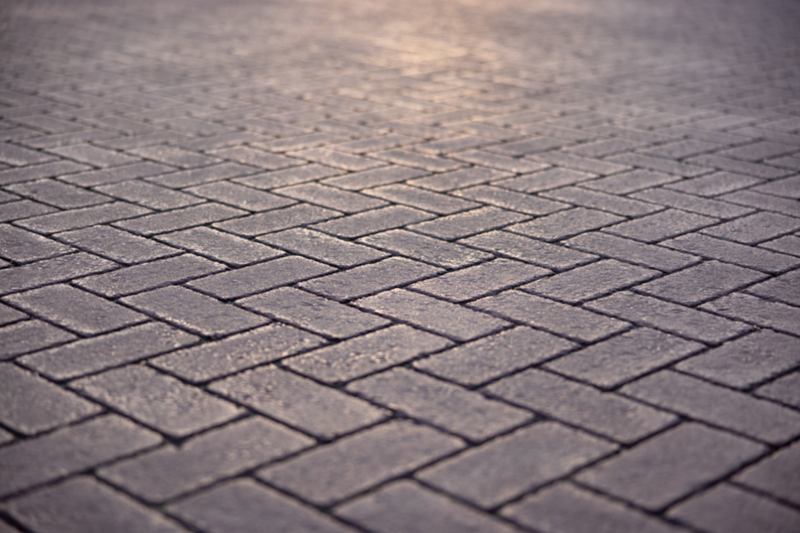
A car that leaks a little oil, a lawnmower that drips while you fill it, a can that tips over in the garage – and there is a dark patch on the driveway. With oil stains on paving, speed counts: concrete and paving stones are porous and soak up oil like a sponge. If you absorb it straight away, most of it can still be drawn out.
Just as important as a clean surface is where the oil ends up. Rainwater from forecourts and driveways often flows into streams or lakes without passing through a treatment plant. These five methods show how to deal with oil stains without creating an environmental problem.
Why oil stains on paving are so stubborn
Engine and gearbox oil, chain oil, two-stroke fuel and barbecue fat penetrate deep into the pores of concrete, block paving and natural stone setts. Water alone runs off and at most spreads the stain. The longer the oil sits, the further it travels into the stone and the darker the edge becomes.
Then there is the dirt: dust and tyre wear stick to the oily film, and over time the stain turns black and shiny. That is why old oil stains can usually be lightened but rarely removed completely.
| Situation | Best method | Avoid |
|---|---|---|
| Fresh drip, still wet | Absorbent or cat litter, leave to work | Hosing it down |
| A few days old | Absorbent, then washing-up liquid and brush | Letting dirty water run into the drain |
| Old, dark stain | Overnight poultice, possibly a specialist cleaner | Acid, thinners, petrol |
| Coated garage floor | Absorbent, mild cleaner as the manufacturer advises | Abrasives, solvents |
| Natural stone, e.g. granite | Absorbent, poultice, specialist advice | Acid on limestone, wire brushes |
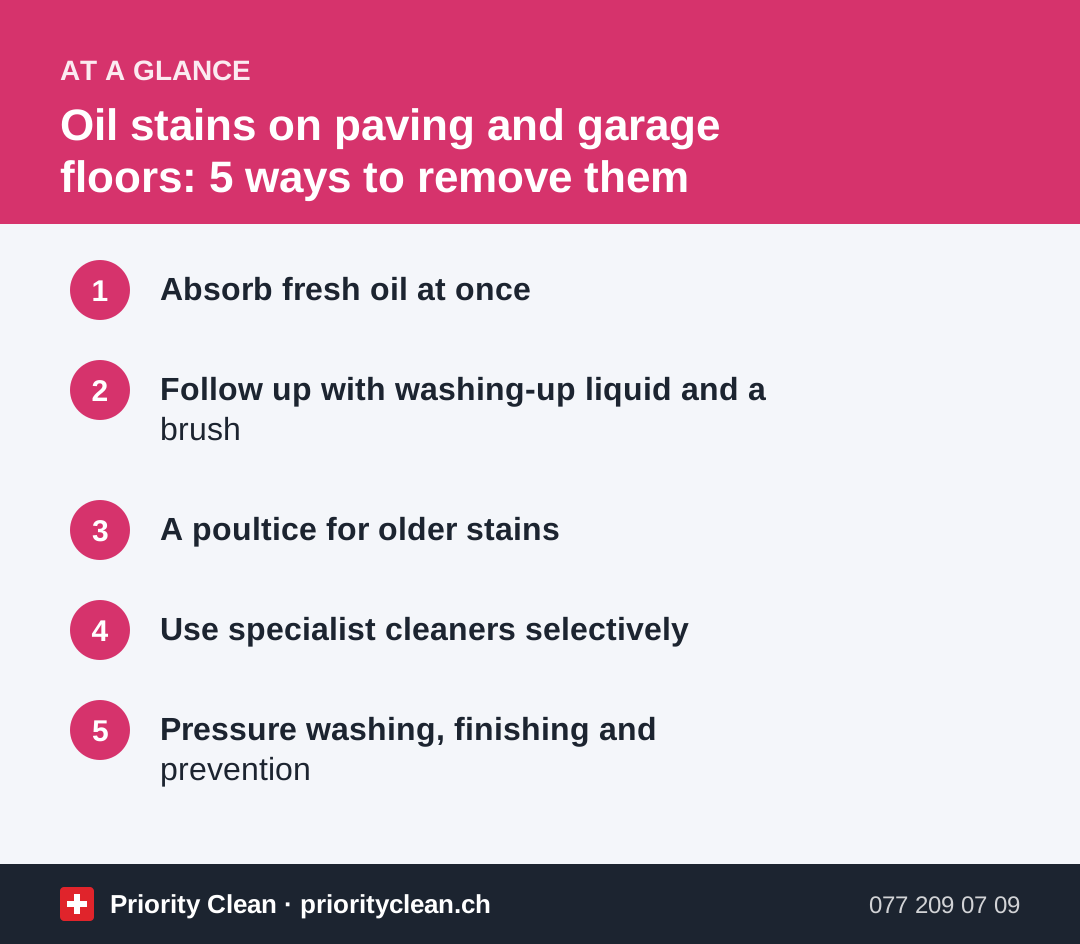
1. Absorb fresh oil at once
The first few minutes are what matter most. Sprinkle plenty of oil absorbent from a garage or builders' merchant over the stain. In an emergency, mineral clay cat litter or sawdust will do.
- Dab up excess oil with kitchen paper or an old rag – do not rub.
- Spread a thick layer of absorbent and work it in lightly with your shoe or a broom.
- Leave it for several hours, ideally overnight. Cover it if it rains.
- Sweep up the soaked granules and collect them in a sealed bag.
If the stain is still dark, repeat with fresh absorbent.
2. Follow up with washing-up liquid and a brush
After absorbing, a shadow usually remains. Now a degreaser you already have at home helps: washing-up liquid.
- Squirt some washing-up liquid directly onto the stain and moisten it with a little warm water.
- Scrub hard with a stiff plastic brush or deck scrubber, including the joints.
- Leave it for about 15 minutes.
- Soak up the suds with a cloth, sponge or wet vacuum instead of rinsing them away.
Two or three rounds with a little water work better than one with the garden hose.
3. A poultice for older stains
If the stain is a few weeks old, a paste works better than liquids because it slowly draws the oil out of the stone.
- Mix finely crushed absorbent or cat litter with a little washing-up liquid and water to make a thick paste.
- Spread it a finger thick over the stain, going slightly beyond the edge.
- Cover with plastic film so it does not dry too fast and leave it overnight.
- Scrape off the dry crust, sweep it up, dispose of it and then scrub again.
For stubborn stains, repeat the poultice on two or three consecutive days.
4. Use specialist cleaners selectively
Specialist shops sell oil stain removers for paving and concrete that dissolve or break down the oil. Use them strictly as labelled, test them on an inconspicuous spot and check they suit your stone: natural stone and coloured concrete paving can end up blotchy.
Solvent-based degreasers, thinners or petrol are a bad idea: they often push the oil deeper, are highly flammable and must not seep into the ground. The Federal Office for the Environment classes solvents, thinners, acids and alkalis as hazardous waste to be returned to the retailer or a collection point. The same applies to waste oil and leftover cleaners.
5. Pressure washing, finishing and prevention
Only get the pressure washer out once the oil has been absorbed and removed; otherwise you just drive it deeper into the joints or towards the nearest drain. Aim the jet so the water does not run into a gully, and vacuum up puddles. If you do not own one, see our guide to hiring a pressure washer. For general care of slabs and paving, read how to clean patio slabs.
A faint shadow often keeps fading with sun and rain. For badly marked block paving, replacing a few individual blocks can be the cleanest solution – a job for a landscaper.
Prevention is easier: put a drip tray or absorbent mat under a leaking vehicle and have the leak repaired. Refuel lawnmowers and motorised tools over a piece of cardboard or a tray.
Common mistakes
- Hosing it down: the oil spreads and ends up in the street drain.
- Petrol or thinners: dangerous, polluting and often ineffective.
- Giving up too soon: absorbent and poultice work slowly; several rounds are normal.
- Acid on concrete: it roughens the surface and leaves pale patches.
Parking spaces, garages and handover
Garages and parking spaces are part of the rented property too. The German-speaking Swiss tenants' association (Mieterinnen- und Mieterverband) notes that, unless agreed otherwise, ancillary rooms such as the cellar, attic, letterbox and garage must be cleaned thoroughly. So do not leave oil stains until the day before the handover. For looking after an underground car park, see our guide to cleaning an underground garage.
Frequently asked questions
Does cat litter really help with oil stains?
Yes, mineral clay cat litter soaks up fresh oil well, especially when crushed finely. Dedicated oil absorbent is a little more effective still. Either way, it needs several hours to work.
Can I remove oil stains with a pressure washer?
Only once the oil has been absorbed and removed. The water must not flow into a street drain or surface-water gully, because it often reaches rivers and lakes untreated.
How do I get old oil stains out of block paving?
With a poultice of absorbent and washing-up liquid, left covered overnight and repeated several times. Very old stains can often only be lightened.
Where does used absorbent go?
Collect it in a sealed bag and ask your commune whether it belongs in household waste or hazardous waste. Take waste oil and solvents to a collection point.
Thanks for your feedback! Feel free to share the guide.
Thanks! What was missing? Drop us a line – we will improve the guide. WhatsApp