After winter, the inside of a car often looks the worse for wear: crumbs between seat and backrest, a coffee stain from the commute, white salt marks on the floor mats and a faintly musty smell. To clean car seats, you need neither expensive specialist products nor a car wash. The key is to go easy on water, because wet upholstery dries slowly inside a car.
The five steps below show how to treat fabric and leather seats, remove stains, wash the floor mats and get rid of smells. A dry, mild spring day is ideal, when doors and windows can stay open for a few hours.
Why car seats get dirty and smell so quickly
Car seats are used every day but rarely get a proper wash. Skin oils, sweat, crumbs, road dust and spilt drinks work their way into the fabric and seams over time. In winter, meltwater and road salt come in on your shoes as well. The moisture collects in the floor mats and the carpet underneath, evaporates into the closed interior and fogs up the windows.
If moisture stays in the upholstery for a long time, it smells musty, and in the worst case mould develops. The Federal Office of Public Health advises removing mould quickly and always dealing with the cause of the damp. In a car, that mainly means: don't use too much water, and let everything dry well.
| Material | How to clean | What to avoid |
|---|---|---|
| Fabric | Vacuum, upholstery foam, soft brush, microfibre cloth | Soaking, harsh cleaners |
| Smooth leather | Damp cloth, mild leather cleaner, conditioner | All-purpose cleaner, vinegar, lots of water |
| Perforated leather | Barely damp cloth, cleaner on the cloth | Liquid in the holes |
| Faux leather | Damp cloth with mild soapy water | Solvents, abrasives |
| Textile mats | Shake out, vacuum, brush, dry | Putting them back wet |
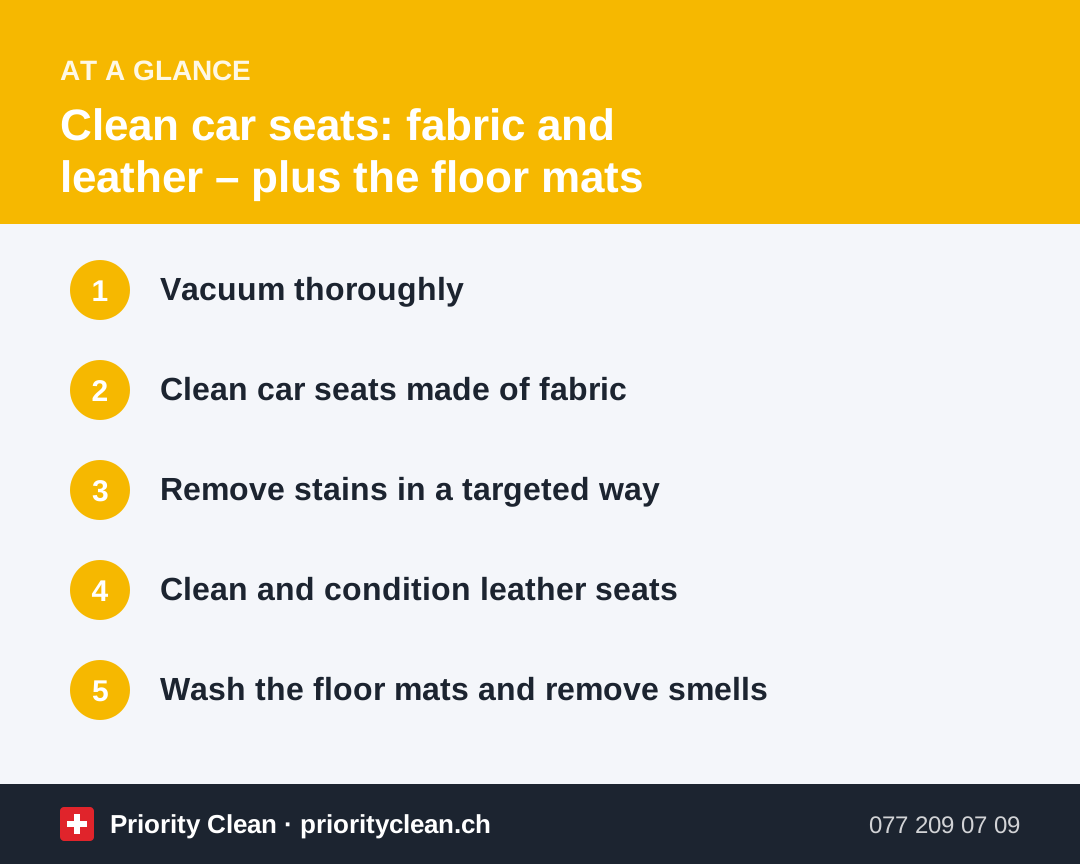
1. Vacuum thoroughly
First take everything out of the car: bags, toys, child seat, floor mats. Then use the crevice tool to vacuum all gaps, between seat and backrest and along the seams. Slide the seats all the way forwards and back to vacuum underneath as well. A soft brush loosens trodden-in dirt and pet hair before the vacuum picks it up.
If you don't have a powerful vacuum cleaner at home, a petrol station with a vacuum bay will do the job.
2. Clean car seats made of fabric
For fabric seats, use an upholstery foam from a specialist shop or a solution of lukewarm water and a little mild washing-up liquid. The Swiss consumer protection foundation shows that for many household jobs simple household remedies such as curd soap or bicarbonate of soda are enough. Whatever you use, the dose matters.
- Test the product on a hidden spot, such as the side or the underside of the seat.
- Spray the foam on sparingly or dampen a microfibre cloth only slightly.
- Work it in with a soft brush using circular movements, always treating the whole panel up to the seam – otherwise you get rings.
- Wipe with a clean, damp cloth, then soak up moisture with a dry cloth.
- Let it dry, then vacuum once more.
Take extra care with seats that have seat heating, sensors or side airbags in the backrest: the upholstery must not get soaked. Follow the guidance in the vehicle handbook. For heavily soiled fabric seats, you can hire a spray-extraction machine – tips in our guide Hiring an upholstery cleaner.
3. Remove stains in a targeted way
The fresher a stain, the easier it comes out. Blot liquid immediately with an absorbent cloth and never rub, or the stain will spread through the fabric.
- Coffee and tea: dab with lukewarm water and a little washing-up liquid, then with clean water.
- Milk and baby food: use cold water first, as heat sets protein. Otherwise a sour smell remains.
- Chocolate and grease: carefully lift off any residue, then treat with soapy water.
- Water marks: dampen the whole panel lightly and evenly up to the seam and let it dry.
More tips on upholstery stains in our guide Water stains on upholstery.
4. Clean and condition leather seats
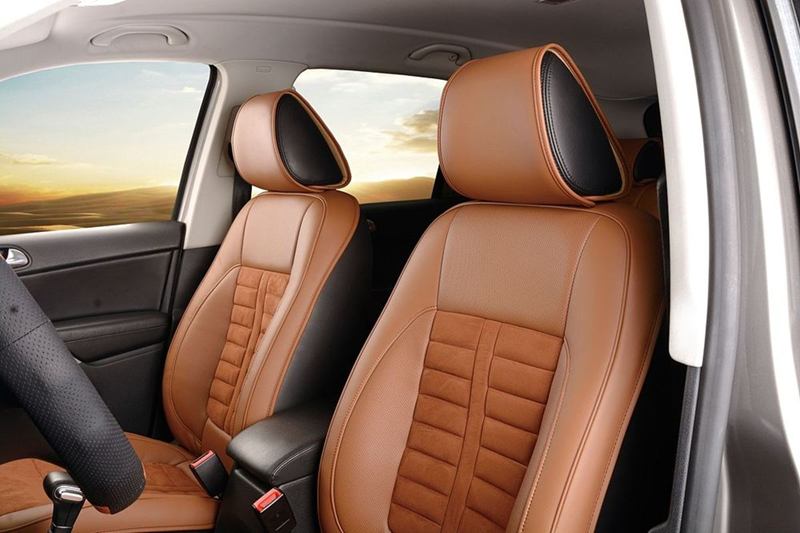
Leather needs less water but regular care. Vacuum first with a soft brush attachment. Then wipe the seats with a damp microfibre cloth and a mild leather cleaner. On perforated leather, always put the cleaner on the cloth rather than directly on the seat, so no liquid runs into the holes.
Once dry, apply a thin layer of leather conditioner so the leather stays supple and doesn't crack. All-purpose cleaners, vinegar or glass cleaner attack the surface. Wipe faux leather with mild soapy water; it usually doesn't need conditioning. More on leather care in general in our guide Leather cleaning.
5. Wash the floor mats and remove smells
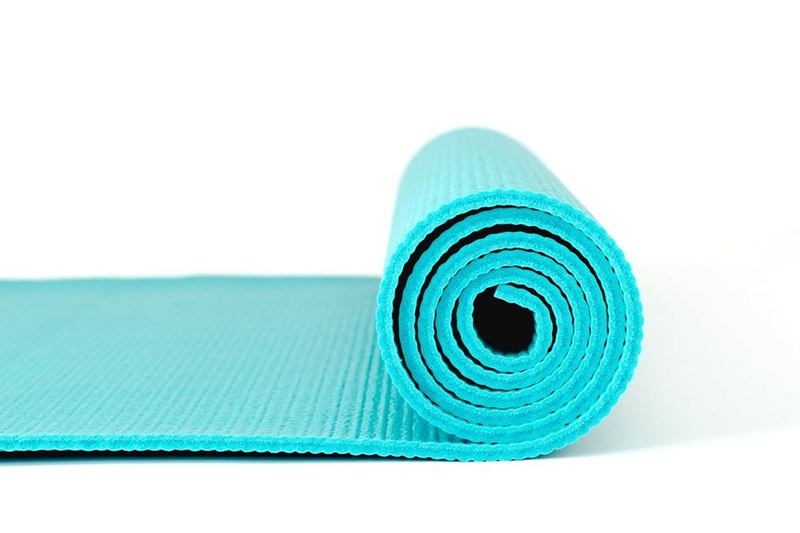
Textile mats: shake them out hard, vacuum both sides and treat stains with a brush and soapy water. White salt marks from winter dissolve in lukewarm water. The mats must be completely dry before they go back into the car.
Rubber mats: wash them with water and a brush, let them dry and put them back.
Smells: first find the cause, such as spilt milk or damp mats. Airing helps most. For stubborn smells, sprinkle a little bicarbonate of soda on the dry fabric seats and carpet, leave it for a few hours and vacuum it up thoroughly.
The most common mistakes
- Too much water: soaked upholstery takes days to dry and smells musty.
- Treating only the stain: you get water rings – better to do the whole panel up to the seam.
- Household cleaners on leather: they dry the leather out and can damage the surface.
- Putting wet mats back: the moisture stays in the car and the windows fog up.
- Air freshener instead of cleaning: the smell is masked, the cause remains.
For a sharp view once the interior is done, see our guide How to clean the inside of car windows.
Frequently asked questions
What can I use to clean fabric car seats?
Upholstery foam or lukewarm water with a little mild washing-up liquid. The important thing is not to soak the upholstery, to treat whole panels and to let the car dry well afterwards.
How long do car seats take to dry?
It depends on how much moisture was used, the weather and the ventilation. With sparing cleaning and the doors open on a dry day, the seats are often dry after a few hours. Only sit on them once they feel completely dry.
How do I remove water marks from car seats?
Dampen the whole affected panel lightly and evenly up to the next seam, blot excess water with a dry cloth and let it dry. That usually makes the ring disappear.
What helps against a musty smell in the car?
Getting rid of moisture: dry the floor mats, air the car and thoroughly clean up spilt liquids. Bicarbonate of soda on dry fabric surfaces absorbs odours and is then vacuumed up. If the smell persists, have the car checked for water getting in somewhere.
Thanks for your feedback! Feel free to share the guide.
Thanks! What was missing? Drop us a line – we will improve the guide. WhatsApp