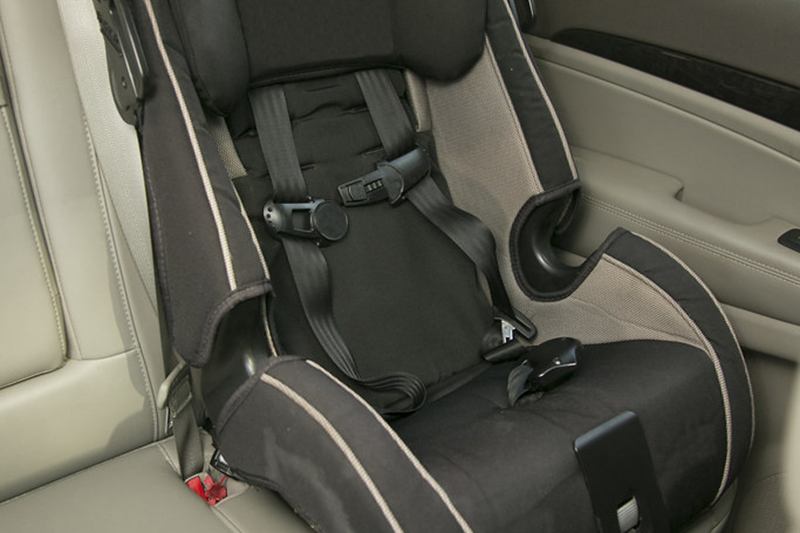
Rusks in the buckle, a leaked bottle on the padding, playground sand in every gap: a child's car seat has a lot to put up with. Child car seat cleaning calls for a different approach from ordinary upholstery, though. Harness straps, buckle and shell are safety components that the wrong care can damage.
After winter, when road salt, slush and crumbs have built up, a thorough clean is worthwhile. The most important rule first: the manufacturer's manual always takes priority. These five steps show how to clean infant carriers and car seats without undermining their protection.
Why child car seat cleaning needs care
A child car seat is protective equipment. The Swiss Council for Accident Prevention (BFU) points out that unrestrained children have three times the risk of serious or fatal injury, and recommends installing the seat on the back seat and following both the seat's and the car's manuals. That protection depends on the straps, buckle and shell staying intact.
This is exactly where cleaning carries a risk: harness webbing is made to withstand a specific force in a crash. Many manufacturers therefore rule out machine washing, soaking and harsh products for the straps. Solvents on the plastic shell or oil in the buckle are also off limits. If you clean gently and follow the manual, however, there is nothing to worry about.
| Part | How to clean | Not allowed |
|---|---|---|
| Cover and padding | As per care label, often a delicate cycle | Tumble dryer if the label rules it out |
| Harness straps | Damp cloth and mild soap | Machine, soaking, bleach, solvents |
| Buckle | As per manual, often with warm water | Oil, grease, cleaning spray |
| Plastic shell | Lukewarm water and mild soap | Abrasives, solvents |
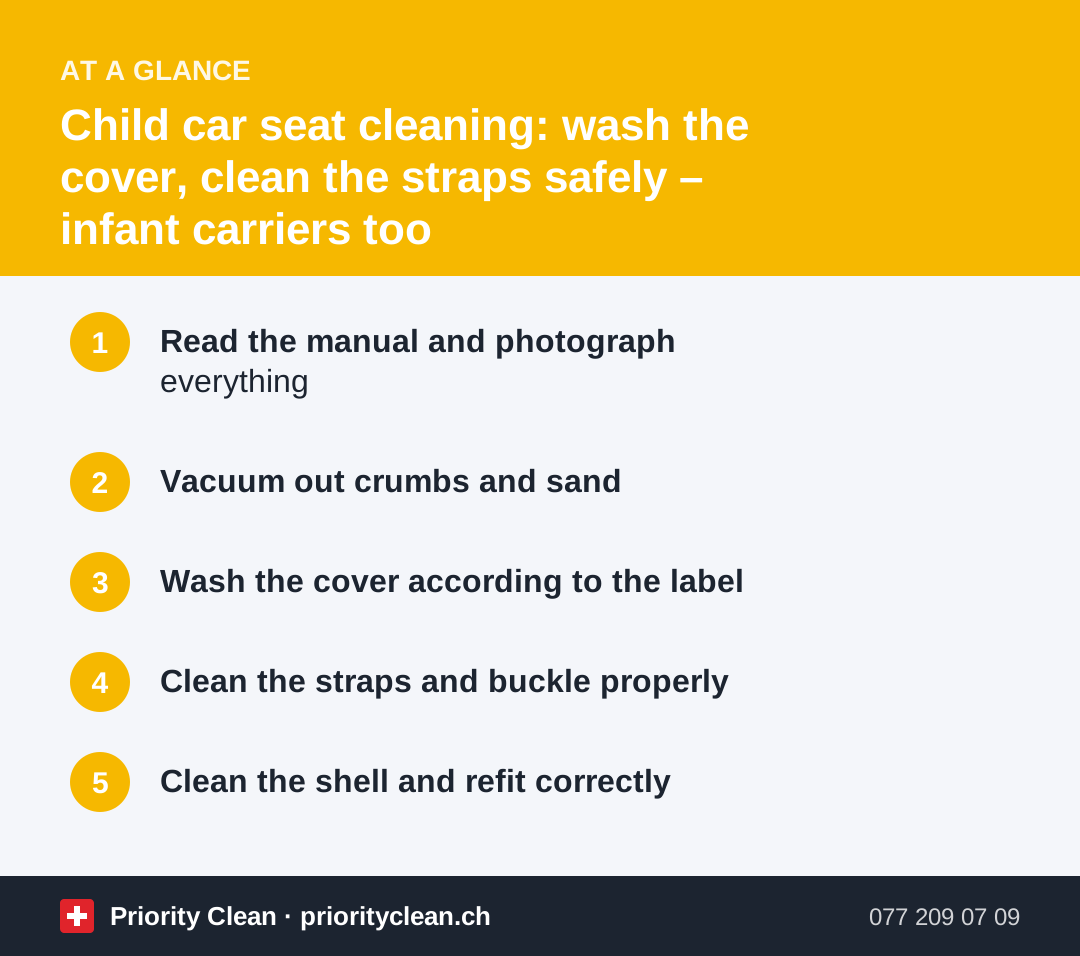
1. Read the manual and photograph everything
Start by finding the manual. If it is lost, you can usually download it from the manufacturer's website using the model name printed on a label on the seat. It tells you whether the cover comes off and can be washed, how to clean the buckle and which parts must not be dismantled.
Before you take anything apart, photograph the seat from the front, back and side. Record in particular which slots the straps run through and how the cover is attached to hooks and elastic loops. These photos save a lot of time later – and prevent a strap from being threaded wrongly.
2. Vacuum out crumbs and sand
Take the seat out of the car or vacuum it where it is. The crevice tool reaches the gaps between seat and backrest, the brush attachment the padding. Turn the seat over and shake it out carefully too – crumbs love to collect under the cover and in the strap guides.
Use the opportunity to clean the car seat underneath as well. Our guide on how to clean car seats explains how to treat fabric and leather upholstery.
3. Wash the cover according to the label
Many covers come off and can go in the washing machine, often on a delicate cycle at a low temperature. The care label is what counts: some covers are hand-wash only, and some padding must not go in the machine.
- Rinse milk, baby food or juice stains with cold water first.
- Use a mild detergent, and no fabric softener if the label advises against it.
- Let the cover air-dry, not on a radiator, and only use the tumble dryer if the label allows it.
You do not need special products for smells and light stains. The Swiss consumer protection foundation shows that simple household products such as curd soap can replace many specialist cleaners – a mild soap solution is usually enough for padding and shell.
4. Clean the straps and buckle properly
The straps stay on the seat. Wipe them with a soft cloth dipped in lukewarm water with a little mild soap and wrung out well. Then wipe again with clean water and let them air-dry. Do not put the straps in the washing machine, do not soak them and do not use bleach or solvents – unless the manual explicitly says otherwise.
The buckle often gets sticky from juice or crumbs. Many manufacturers allow you to swish the buckle in warm water while pressing the release button several times. Check this in your manual. Then let it dry thoroughly and make sure the tongues click firmly into place. Oil, grease or cleaning spray never belong in the buckle.
5. Clean the shell and refit correctly
Wipe the plastic shell with lukewarm water and mild soap and dry it well. Keep abrasives and solvents in the cupboard. Only once every part is completely dry should you put the cover back on, using your photos as a guide.
Then check: do the straps run through the right slots, are they untwisted, does the buckle click shut? Refit the seat exactly as the manual describes. The BFU reminds parents always to fit infant carriers rear-facing and to take off or open winter jackets so the harness fits snugly.
Common mistakes
- Putting the straps in the machine: this can weaken the webbing and is not allowed for most seats.
- Dismantling without photos: incorrectly threaded straps will not protect properly in a crash.
- Oiling the buckle: grease attracts dirt and can impair the mechanism.
- Refitting while damp: wet padding smells musty and can go mouldy.
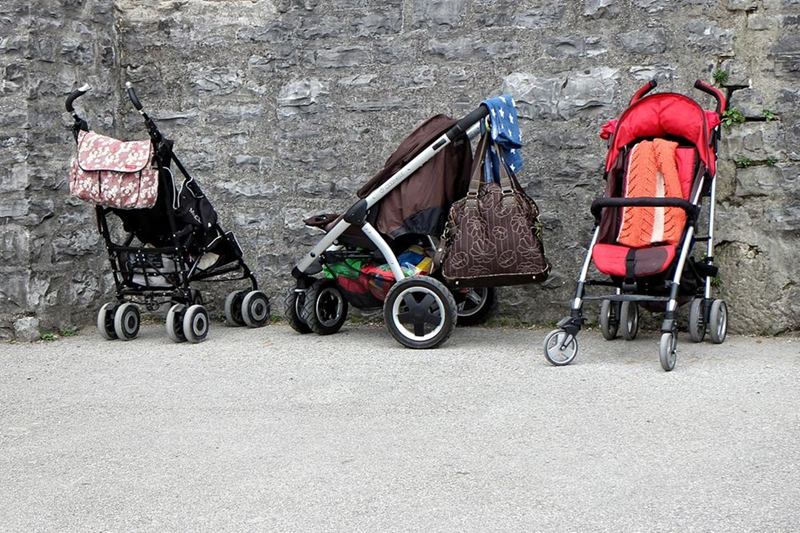
You can clean the pushchair and the baby carrier just as gently.
Frequently asked questions
Can you wash car seat straps?
As a rule, you only wipe them with a damp cloth, lukewarm water and mild soap. Machine washing, soaking, bleach and solvents are ruled out for most seats because they can weaken the webbing. Your model's manual is what counts.
At what temperature should I wash the cover?
As the care label says – often a delicate cycle at a low temperature. Some covers are hand-wash only. Air-dry the cover unless the tumble dryer is explicitly allowed.
How do I clean a sticky buckle?
Many manufacturers allow you to swish the buckle in warm water while pressing the button several times. Then let it dry completely and check it latches securely. Never use oil or spray.
Do I need to replace the car seat after an accident?
Most manufacturers recommend it, even if there is no visible damage. If in doubt, check with the manufacturer and your insurer how to proceed.
Thanks for your feedback! Feel free to share the guide.
Thanks! What was missing? Drop us a line – we will improve the guide. WhatsApp