A child learning to feed themselves spreads food generously: semolina on the edge of the tray, bits of carrot in the gap between seat and backrest, yoghurt on the straps and a ring of crumbs under their feet. Effective highchair cleaning means two minutes after every meal and one thorough session a week – far better than a big operation every couple of months.
What matters is not the amount of cleaning product but the timing. Fresh food comes off with warm water; dried-on residue needs patience and a brush. The five steps below keep seat, crevices and straps clean for good.
Why highchair cleaning should be a daily job
A highchair is an eating surface just like a chopping board or a worktop – only with more nooks. The Federal Food Safety and Veterinary Office points out that germs spread via hands, chopping boards, utensils and cloths, and that surfaces should be cleaned with hot water and soap after each step. The same applies to the place where a toddler eats with their fingers.
There is also a practical problem: milk, fruit purée and sauce dry into a layer that a cloth can no longer shift. Residue stays in the joints, starts to smell after a few days and attracts fruit flies and ants.
| Spot | What collects there | How often |
|---|---|---|
| Tray and rim | Fresh food, grease, juice | After every meal |
| Gap between seat and backrest | Dried food, crumbs | Weekly |
| Straps and buckles | Milk, saliva, fruit juice | Weekly to monthly |
| Footrest and legs | Shoe marks, splashes | Weekly |
| Floor around the highchair | Everything that falls | Daily |
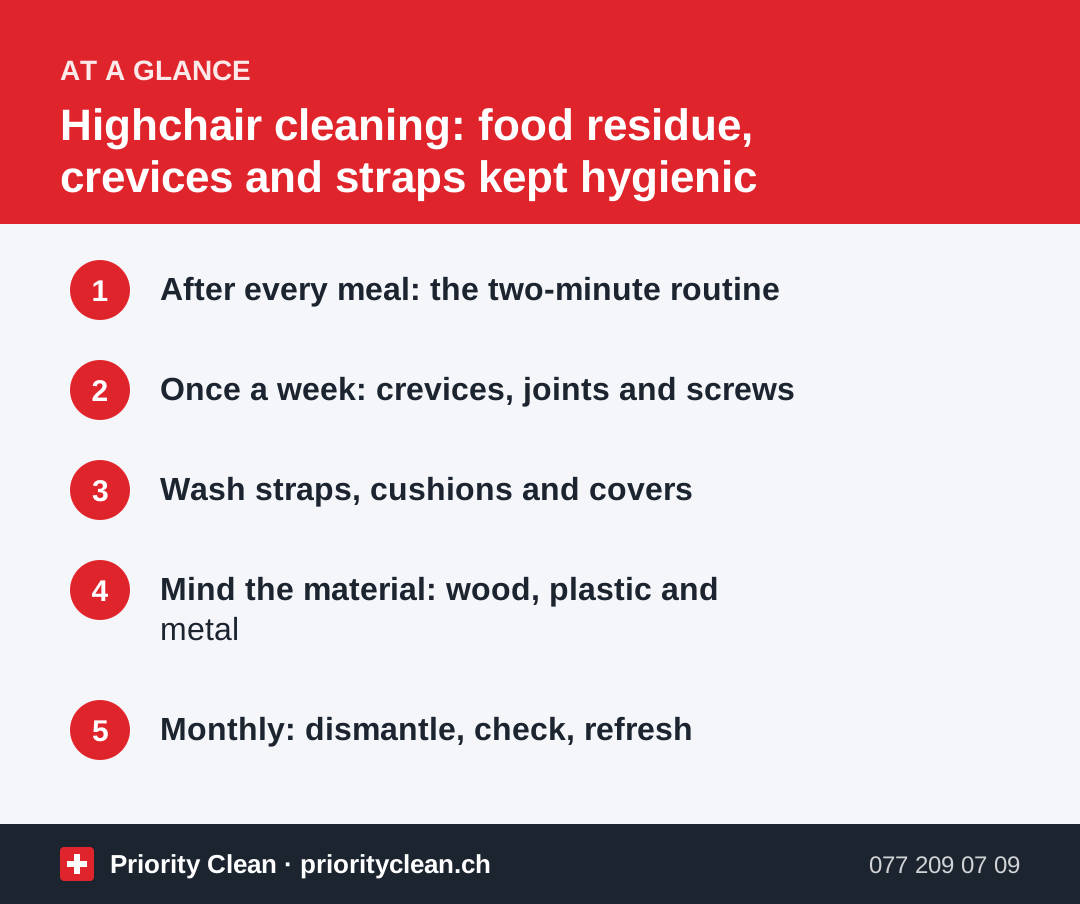
1. After every meal: the two-minute routine
Take the tray off and wash it in the sink with hot water and washing-up liquid – or in the dishwasher if the manufacturer allows it. Then wipe the seat, armrests and rim with a clean, damp cloth and dry them.
Keep a cloth just for the highchair, separate from the one used for the floor or basin, and change it daily. Wash used cloths hot; otherwise next time you will spread exactly what you meant to remove.
2. Once a week: crevices, joints and screws
For the weekly round, remove whatever comes off without tools: tray, insert, seat reducer, cushion. Then work from top to bottom:
- Scrub the gap between seat and backrest with an old toothbrush and warm soapy water
- Brush out strap slots and buckles; vacuum crumbs with the crevice nozzle
- Wipe screw heads and the height adjustment, where old food often sticks
- Wipe the legs and footrest with a damp cloth
- Finally, clean the floor underneath
Take the opportunity for a quick check: are all screws tight, are straps and seams intact, does the highchair still lock properly? Tighten anything loose straight away.
3. Wash straps, cushions and covers
Sticky straps are the most common complaint, and the part people most often get wrong. The manufacturer's instructions are what counts: some harnesses can be threaded out completely and machine washed in a laundry bag, others may only be cleaned by hand.
- By hand: move them through lukewarm water with a little soap, brush the buckles, rinse well and let them dry flat.
- In the machine: only if expressly allowed, on a delicate cycle at a low temperature, without fabric softener.
- Never: bleach them, treat them with chlorine bleach or solvents, or put them in the tumble dryer – this weakens the webbing invisibly.
Removable cushions and covers are washed according to the care label. Take a photo of how the straps are routed before removing them; putting them back will be much quicker.
4. Mind the material: wood, plastic and metal
Not every highchair takes the same treatment:
- Oiled or varnished wood: wipe with a barely damp cloth and dry immediately. Standing water makes wood swell and roughens the surface. No steam cleaner, no scouring powder.
- Plastic: robust and fine with hot soapy water. Watch out for micro-scratches where dirt builds up, so avoid hard scouring pads.
- Metal frame: wipe with a damp cloth and dry, so the screws do not rust.
- Fabric covers: wash as the label says and let them dry thoroughly.
Special products are rarely needed. The Swiss consumer protection foundation shows that a few household remedies such as soap, bicarbonate of soda and vinegar replace many cleaning products. Vinegar is not suitable for natural stone or oiled wood, though; test on a hidden spot first.
5. Monthly: dismantle, check, refresh
Once a month, a full round is worthwhile. Take the highchair apart as far as the instructions allow and clean the parts one by one. This way you reach spots that never dry in everyday use, such as the underside of the seat and the back of the height adjustment.
The most common mistakes
- Wiping too late: dried-on food takes five times as long as fresh.
- One cloth for everything: that is how germs travel from the floor to the eating area.
- Getting wood wet: swollen edges and a dull surface stay visible for good.
- Putting straps in the tumble dryer: heat and tumbling weaken the webbing.
- Forgetting the floor: what lies under the chair attracts pests – see Cleaning the kitchen floor.
Frequently asked questions
Can the highchair tray go in the dishwasher?
Only if the manufacturer expressly allows it; many plastic trays are dishwasher safe, wooden ones practically never. Otherwise wash it by hand with hot water and washing-up liquid and rinse well.
How do I clean sticky highchair straps?
Thread the straps out if the instructions allow and move them through lukewarm soapy water. Scrub the buckles with a toothbrush. Rinse well and let them dry flat – no bleach and no tumble dryer.
Do I need to disinfect the highchair?
Not in normal family life. Hot soapy water and a clean cloth are enough if you clean regularly. If someone in the household has diarrhoea or vomiting, clean contact surfaces more often and more thoroughly and wash cloths hot.
How do I clean a wooden highchair without damaging it?
Wipe it with a barely damp cloth, dry it straight away and avoid scouring powder, steam cleaners and standing water. Stains usually come off with lukewarm soapy water. If the surface is oiled, refresh it now and then with the oil the manufacturer recommends, just as with caring for wooden furniture.
Thanks for your feedback! Feel free to share the guide.
Thanks! What was missing? Drop us a line – we will improve the guide. WhatsApp