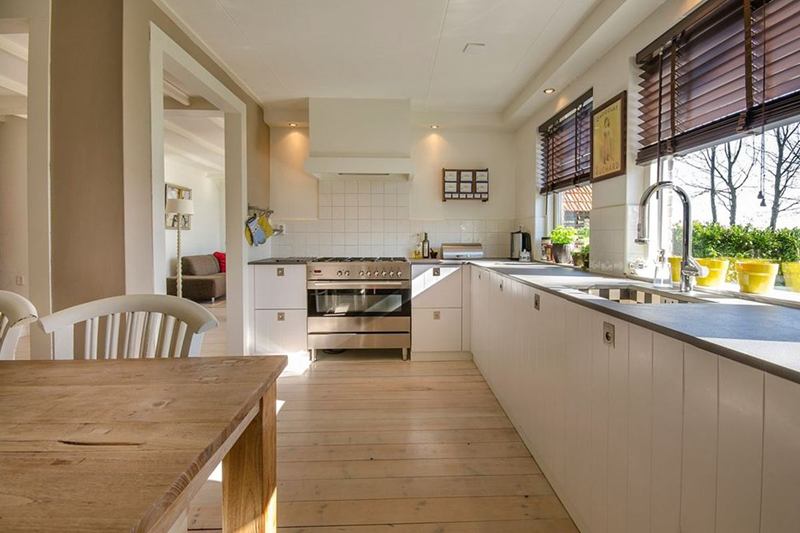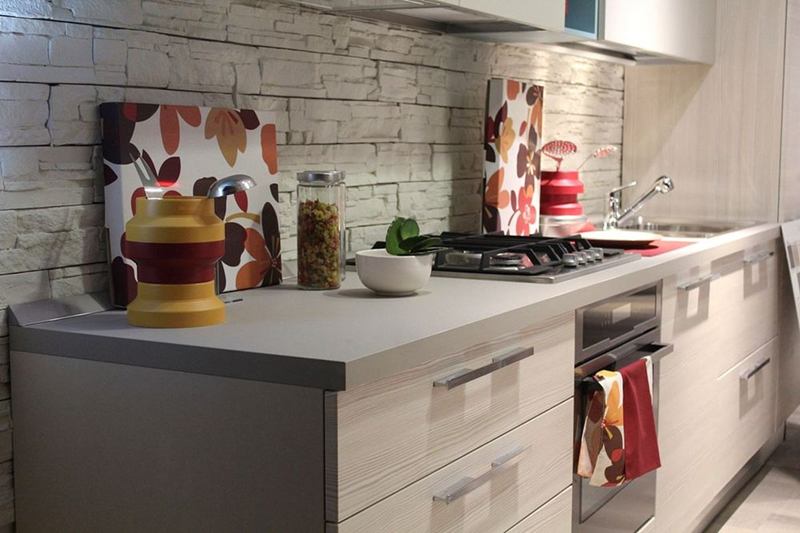
Quartz is popular in Swiss kitchens: tough, seamless and available in many colours. To clean a quartz worktop, you hardly need any special products – but it helps to know a little about the material. Even though the surface is considered easy-care, heat, abrasives and harsh cleaners can leave lasting marks.
With the right routine, the worktop will stay beautiful for years. These five steps show how to care for it every day, remove stains from coffee, turmeric or red wine and deal with limescale around the sink.
What makes quartz special – and where it is sensitive
Quartz, also called engineered quartz or quartz composite, consists largely of crushed quartz bound with resin and colour pigments and pressed into slabs. The surface is dense and barely porous. Liquids therefore don't soak in as quickly as with some natural stones, and regular sealing is usually unnecessary. For granite care, see our guide on how to clean a granite sink.
The weak point is the resin. It doesn't cope well with high heat and can be attacked by harsh chemicals. Matt or textured surfaces also show fingerprints, grease and grey scuff marks from metal pans more clearly than polished ones.
| Type of mess | Straight away | Once it has dried |
|---|---|---|
| Coffee, tea, red wine | Soak up with a damp cloth, wipe dry | Let warm soapy water work briefly, wipe gently |
| Turmeric, curry, beetroot | Wipe off at once, rinse the cloth well | Treat several times with soapy water, use the manufacturer's cleaner |
| Grease and oil | Blot with kitchen paper, then washing-up liquid | Warm soapy water, soft sponge |
| Limescale rings around the sink | Wipe dry after use | Only a descaler approved by the manufacturer, briefly |
| Grey marks from pans | – | Manufacturer's cleaner as directed |
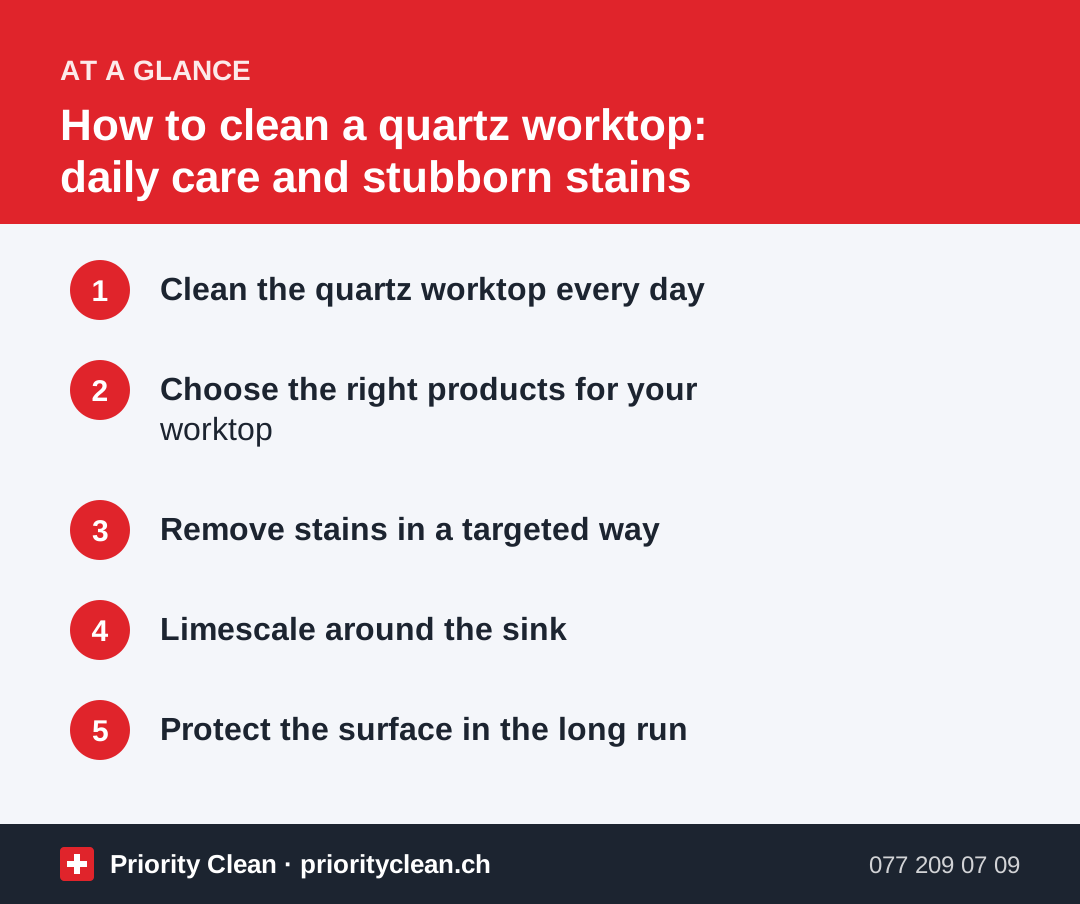
1. Clean the quartz worktop every day
After cooking and eating, a simple routine is all you need:
- Remove crumbs and larger bits with a cloth or a soft hand brush.
- Wipe the worktop with warm water and a few drops of washing-up liquid.
- Wipe again with clear water so no smears remain.
- Buff with a dry microfibre cloth.
For hygiene reasons, this routine matters most when you prepare food. The Federal Food Safety and Veterinary Office advises cleaning worktops and utensils with hot water and soap after each step, so that germs from raw meat or poultry don't transfer to other food. Wash cloths and tea towels hot and often, otherwise you spread germs instead of removing them.
2. Choose the right products for your worktop
Quartz doesn't need a whole arsenal of special cleaners. The Swiss consumer protection foundation (Stiftung für Konsumentenschutz) recommends relying on a few simple products and the right cleaning tools rather than on lots of individual products. For the worktop, that means mild washing-up liquid, soft cloths, a soft sponge and, if needed, a care product recommended by the manufacturer.
Not every household remedy suits every surface, though. Vinegar and citric acid are acids. Many manufacturers advise using them on quartz only diluted, briefly or not at all. Soda crystals and strongly alkaline cleaners such as oven or drain cleaners don't belong on the worktop. Read the care instructions before trying anything new.
3. Remove stains in a targeted way
Most stains on quartz are residues on the surface rather than true discolouration. Work from the mildest option to the stronger one:
- Let warm soapy water work: lay a warm, damp cloth on the stain for a few minutes, then wipe with a soft sponge.
- Repeat several times rather than rubbing harder – especially with turmeric, curry or beetroot.
- Dried-on residue such as dough or candle wax: lift it carefully with a plastic scraper, never with a knife or metal scraper.
- Stubborn stains: use a care product that the manufacturer of your worktop expressly recommends.
4. Limescale around the sink
Wherever water splashes and evaporates, limescale rings form – especially with hard water. The simplest way to prevent them is to wipe the area around the sink and tap dry after washing up.
If rings have already formed, first loosen light deposits with warm soapy water. Only if that isn't enough should you use a mild descaler that the manufacturer approves for quartz. Apply it to a cloth, leave it on only briefly and rinse thoroughly with clear water. More on this in our guide on how to remove limescale from taps.
5. Protect the surface in the long run
- Trivets for anything hot: pans straight from the hob, baking trays or hot pots go on a trivet or wooden board. High heat can discolour the resin or cause stress cracks.
- No heat-producing appliances directly on the worktop: put deep fryers, raclette sets or table grills on a heat-resistant base.
- Don't stand or sit on the worktop: point loads can cause cracks, especially near edges and cut-outs.
- Protect the edges: hard knocks from pans or glasses can chip them.
If you have a wooden worktop or a combination of both, you will find the right care in our guide on how to oil a wooden worktop.
The most common mistakes
- Cream cleaner on stains: it roughens the surface and leaves dull patches, especially on polished worktops.
- Putting a hot pan down "just for a moment": a few seconds can be enough to cause discolouration.
- Oven cleaner on the worktop: strongly alkaline products can attack the resin.
- Sponges with a scouring side: the green or grey side is meant for pans, not for your worktop.
Frequently asked questions
What is the best way to clean a quartz worktop?
With warm water, a few drops of washing-up liquid and a soft cloth. Then wipe with clear water and buff dry. Only use special cleaners if the manufacturer recommends them.
Can I use vinegar on quartz?
Many manufacturers advise using acidic products such as vinegar or citric acid only diluted and briefly, or not at all. Check the care instructions for your worktop. For light limescale rings, warm soapy water is often enough.
Does quartz need sealing?
Generally not, because the surface is barely porous. That is what sets quartz apart from many natural stones such as granite or marble. The manufacturer's information is what counts.
Can I put a hot pan on quartz?
Better not. The resin in quartz doesn't cope well with high heat and can discolour or crack. Always put hot pans and pots on a trivet or a wooden board.
Thanks for your feedback! Feel free to share the guide.
Thanks! What was missing? Drop us a line – we will improve the guide. WhatsApp