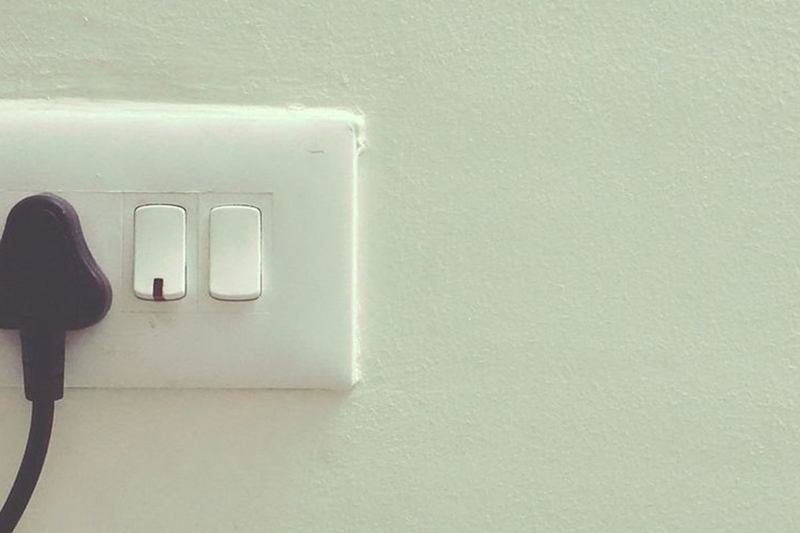
The light switch in the hallway has turned yellowish, the casing of the old radio has a brown tinge and the clear phone case looks like amber after a few months. Before tackling yellowed plastic, find out where the colour comes from: often it is just a film of dirt, but sometimes the material itself has changed.
That difference decides the method. Dirt can be removed completely, whereas yellowing within the plastic can at best be reduced. These five steps show what is realistic – and when it is better to stop.
Why plastic turns yellow
Plastics age. Sunlight and heat in particular change the structure of the material over time, and pale surfaces turn yellow. That is why the side of an appliance facing the window is often darker than the back. With some older devices, additives in the plastic such as flame retardants also play a role.
At least as often, the cause is a film on the surface: skin oil on switches and handles, cooking fumes in the kitchen or cigarette smoke, which settles on everything as a yellow-brown film.
| Cause | How to recognise it | Can it be removed? |
|---|---|---|
| Film of grease and dirt | The cloth turns yellow or grey when you rub | Yes, by cleaning |
| Nicotine | Sticky film, smell, yellow-brown cloth | Yes, with several rounds of cleaning |
| Ageing from light and heat | Even yellow, including untouched areas, unchanged after cleaning | Only partly |
| Additives in the plastic of older devices | Whole casing, sometimes patchy | Only partly, with risks |
| Clear silicone or TPU cases | Material yellow all the way through | Hardly – replace |
1. Do the white cloth test and clean thoroughly
Rub a yellowed spot firmly with a damp white cloth and a drop of washing-up liquid. If the cloth turns yellow or grey, it is dirt – and the good news is that it will come off.
- Switch off appliances and unplug them.
- Mix warm water with a little washing-up liquid or soft soap and wring the cloth out well.
- Wipe the surface and work grooves and textures with a soft toothbrush.
- Wipe again with clear water and dry.
For switches, sockets and appliances: use a barely damp cloth and never let liquid run into openings. More details in our guide on how to clean yellowed light switches. If the film comes from cigarette smoke, several rounds are usually needed – see our guide on removing nicotine stains.
2. Loosen stubborn films with bicarbonate of soda
For films that washing-up liquid will not shift, the Swiss consumer protection foundation (Stiftung für Konsumentenschutz) recommends simple household remedies such as bicarbonate of soda, washing soda, curd soap or alcohol instead of lots of special cleaners. For plastic, bicarbonate of soda is the best fit:
- Mix a little bicarbonate with very little water to make a paste.
- Apply it with a soft cloth in small circles without pressing.
- Wipe off thoroughly with clear water and dry.
Bicarbonate is slightly abrasive. On glossy surfaces, test it first on an inconspicuous spot: scratches make plastic dull and attract even more dirt. Cream cleanser, steel wool and melamine sponges are too harsh for smooth plastics. Solvents such as acetone or nail polish remover can attack some plastics – avoid them.
3. Yellowed plastic and hydrogen peroxide: only with care
If the colour is in the material, hydrogen peroxide can reduce the yellowing. It only works together with light, takes time and the result is not guaranteed. So only try it on removable parts without electronics, such as a detached cover, and never on installed switches or parts with printing on them.
- Clean and dry the part thoroughly.
- Wearing gloves, brush on the 3 % solution from the pharmacy or chemist evenly.
- Place the part in a clear, resealable plastic bag so that it does not dry out, and put it somewhere bright.
- Check every one to two hours, re-moisten evenly and rinse thoroughly with water at the end.
The lightening can turn out patchy, and the yellowing may come back over time. More concentrated products are corrosive and do not belong in the home. How to use it safely is explained in our guide on cleaning with hydrogen peroxide.
4. Switches, kitchen appliances and phone cases: what works where
Not every yellowed item deserves the same effort:
- Light switches and sockets: clean only – do not bleach them or unscrew them yourself. If they stay yellow after cleaning, the covers can be replaced: in a rented flat via property management, otherwise by a qualified electrician.
- Kitchen appliances: clean the outside of the blender, kettle and coffee machine with washing-up liquid. Do not bleach parts that come into contact with food.
- Clear phone cases: a bath in warm soapy water and a soft toothbrush remove dirt from the corners. If the material itself is yellow, it will stay yellow – a new case is then the simplest solution.
- Older devices and collector's items: for valuable pieces, ask specialists rather than risk a patchy result.
5. Know the limits and prevent new yellowing
Even with a lot of effort, aged plastic will not look brand new again. A few habits will, however, noticeably slow down yellowing:
- Do not leave pale plastic items in full sun for long periods.
- Switch on the extractor hood when cooking so less grease settles.
- Do not smoke indoors.
- Wipe switches, handles and appliances regularly with a damp cloth before a film builds up.
Common mistakes
- Bleach: it barely whitens plastic and is dangerous in contact with acidic cleaners.
- Scouring: scratches make the surface dull and look dirty even sooner.
- Acetone and thinners: they can attack plastic and leave permanent marks.
- Bleaching on the device: liquid can run into the electronics.
- Expecting too much: yellowing in the material can only be reduced.
Frequently asked questions
Can yellowed plastic be made white again?
If the colour is a film of grease, dust or nicotine, yes – by cleaning thoroughly. If it is in the material itself, it can only be lightened partly, and the yellowing may return.
Does bleach help with yellowed plastic?
Hardly. It is also dangerous: with acidic cleaners such as descalers, toxic chlorine gas is released. Clean with washing-up liquid and bicarbonate of soda instead.
What can I do about yellowed light switches?
First clean them with a barely damp cloth and a little washing-up liquid. If they stay yellow, have the cover replaced – in a rented flat via property management, otherwise by an electrician.
Why does a clear phone case turn yellow?
Light and skin oils change the material over time. Dirt in the corners can be removed with soapy water, but yellowing in the material hardly at all.
Thanks for your feedback! Feel free to share the guide.
Thanks! What was missing? Drop us a line – we will improve the guide. WhatsApp