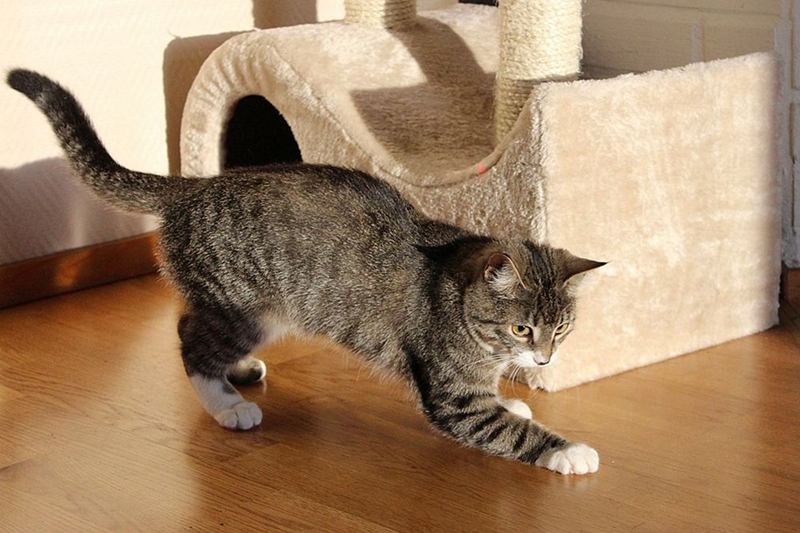
A chair dragged back, a small stone stuck under a shoe, the dog racing to the door – and there it is: a pale line in the wood. Before you repair scratches in parquet, you may also be wondering, as a tenant, what will happen at the handover of your flat.
The good news: many marks can be reduced or even made invisible with simple means. The right method depends on two things: how deep the damage is and whether your parquet is lacquered or oiled. These five methods show what you can do yourself and when a professional is the better choice.
Why parquet gets scratched
Wood is a soft floor covering. The most common causes are:
- Sand and grit: under shoe soles they act like sandpaper, especially in winter.
- Furniture without felt pads: chairs, tables and shelves that are pushed rather than lifted.
- Office chairs: hard castors dull the surface over time.
- Pets: claws leave fine marks, especially along walkways.
- Stiletto heels and dropped objects: they cause gouges and dents.
For the repair, the finish is decisive. Lacquered or sealed parquet has a closed protective layer; damage to it usually shows as a whitish line. Oiled or waxed parquet has open pores; the mark goes straight into the wood but can be repaired well locally. A simple clue: on sealed parquet a drop of water usually stays beaded for longer, while oiled wood darkens slightly after a while.
| Damage | How to recognise it | Suitable method |
|---|---|---|
| Fine surface marks | Only visible in raking light, not felt with a fingernail | Cleaning and care product (method 2) |
| Scratch in the lacquer | Whitish line, fingernail catches slightly | Touch-up pen or hard wax (method 3) |
| Scratch in oiled wood | Pale or grey line in the wood | Light sanding and re-oiling (method 4) |
| Deep gouges, nicks, dents | Clearly felt, wood fibres damaged | Hard wax or professional (methods 3 and 5) |
| Worn walkways over a large area | Dull, greyish zones | Professional: sand and refinish (method 5) |
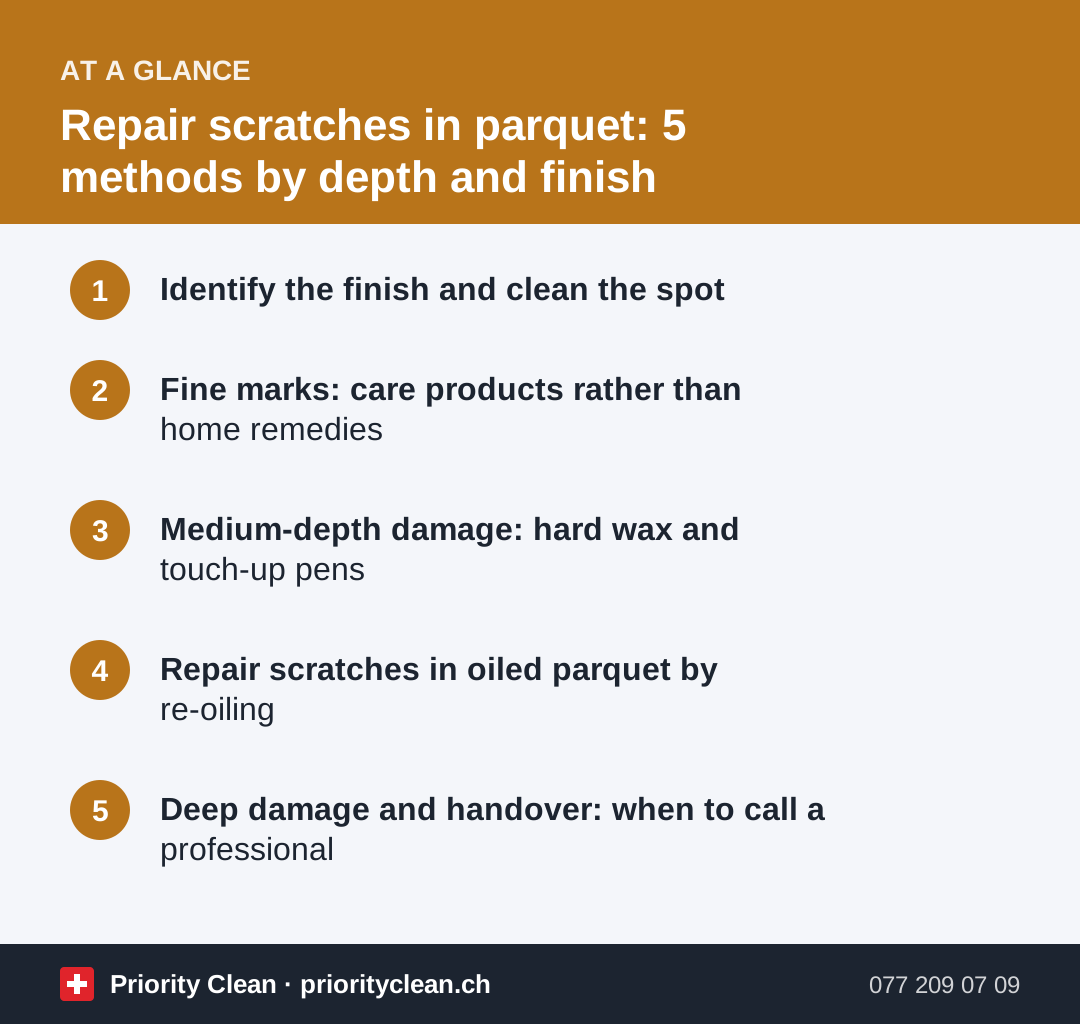
1. Identify the finish and clean the spot
Before you repair anything, the spot has to be clean. Vacuum with the parquet brush and wipe the area with a barely damp mop and the cleaner suited to your finish. Otherwise sand or grease would be sealed in. How to clean lacquered and oiled parquet properly is explained in our guide on how to clean parquet floors.
If you are unsure which finish you have, ask property management or check the handover report and the manufacturer's documents. Test every method first on an inconspicuous spot, such as under the sofa or inside a wardrobe.
2. Fine marks: care products rather than home remedies
What you cannot feel with your fingernail is often just a matter of care:
- Lacquered parquet: a care product for sealed floors leaves a thin film that visually fills micro-scratches and evens out the sheen.
- Oiled parquet: a care oil or wood soap for oiled floors refreshes the surface, and fine marks fade.
Apply these products exactly as the manufacturer instructs, usually diluted in the mopping water or thinly with a cloth. Too much product builds up layers that feel greasy and trap dirt.
What about the walnut? Rubbing a walnut kernel into the mark is a popular tip. On dark, oiled wood, the oil can make a pale line look a little darker. It is not a repair, and on lacquered parquet it leaves at most a greasy film.
3. Medium-depth damage: hard wax and touch-up pens
If your fingernail catches, you need a filler. Specialist shops sell repair kits with wax sticks in various wood tones, a spatula and often a melting tool:
- Choose the right shade or blend two shades.
- Melt the wax according to the instructions or knead it soft, then press it into the groove.
- Scrape off the excess flush with the spatula.
- Buff with a soft cloth.
For fine lines in the lacquer, a wood-tone touch-up pen is often enough to colour in the white line.
4. Repair scratches in oiled parquet by re-oiling
Oiled parquet has one big advantage: it can be repaired in spots.
- Lightly sand the area with a fine abrasive pad or very fine sandpaper, always along the grain.
- Remove the sanding dust thoroughly.
- Apply the matching parquet oil thinly and leave it to work as the manufacturer specifies.
- Remove all excess oil and let the spot cure before walking on it.
Ventilate the room well while you work. For everyday care of oiled wood, read our guide on oiled wood floors in winter.
5. Deep damage and handover: when to call a professional
Deep gouges, dents or worn walkways over a large area can hardly be repaired cleanly with DIY products. In that case a parquet specialist sands the floor and refinishes it. How often that is possible depends on the thickness of the wear layer, which is limited on some engineered parquet.
In a rented flat, agree larger repairs with property management beforehand. A failed attempt with the wrong shade or product can make the damage worse.
Common mistakes
- Not cleaning first: dirt gets sealed in under wax or oil.
- The wrong product: oil does not soak into lacquered parquet and leaves a greasy film.
- Too dark a shade: the patch stands out more than the mark did.
- Sanding large areas yourself: without experience you create hollows and wear down the wear layer unnecessarily.
- Oily rags in the bin: if they have not been soaked, they can start a fire.
Frequently asked questions
Can I repair scratches in parquet myself?
Yes, for fine and medium-depth marks: with a care product, hard wax, a touch-up pen or, on oiled parquet, by light sanding and re-oiling. Deep gouges and large areas are better left to a professional.
Does a walnut help with scratches in parquet?
On dark, oiled wood, the oil from a walnut can disguise a pale mark a little. It is not a repair, and on lacquered parquet it hardly helps at all.
Do I have to pay for scratches in the parquet when I move out?
Tenants are only liable for excessive wear, and only for the current value. What counts as normal wear is often assessed using the joint lifespan table. In a dispute, a tenants' association or the conciliation authority can help.
How do I prevent new scratches in parquet?
Felt pads under furniture, soft castors under the office chair, a doormat at the entrance and regular vacuuming of sand and grit prevent most scratches.
Thanks for your feedback! Feel free to share the guide.
Thanks! What was missing? Drop us a line – we will improve the guide. WhatsApp