A quick spray from the can, a scented candle on the coffee table, an incense stick in the evening – that is how many of us try to make a flat smell nice. Yet the best natural air freshener is fresh air and clean rooms. Fragranced products only mask odours and add more substances to the air you breathe indoors.
Spring, when windows stay open longer, is the ideal moment for a fresh start. These five ideas show how to keep your home smelling pleasant with things you probably already have.
Why an artificial air freshener pollutes the air
Room sprays, plug-in diffusers and fragranced cleaning products release volatile organic compounds (VOCs) into the air. As soon as something burns, fine dust, soot, carbon monoxide and formaldehyde are added. The Swiss Federal Office of Public Health (FOPH) notes that pollution rises from scented candles to oil lamps to incense sticks and that a wick that is too long produces more soot. Fragrances can also trigger asthma attacks and cause contact allergies.
That does not mean you can never light a candle again. The FOPH does, however, advise using such products only sparingly and briefly and airing thoroughly afterwards – at the latest before bedtime. If anyone in the household has asthma, it is better to avoid sprays and incense altogether.
| Scent source | What it releases into the air | Verdict |
|---|---|---|
| Fresh air from airing | Removes humidity and stale air | Best choice |
| Citrus peel, herbs, spices | Little, natural scents only | Subtle and unproblematic |
| Room spray, plug-in diffuser | Volatile organic compounds | Rarely and briefly |
| Scented candle | VOCs, fine dust, soot | Sparingly, then air the room |
| Incense stick | The most smoke and fine dust | Avoid where possible |
1. Air properly: the best natural air freshener
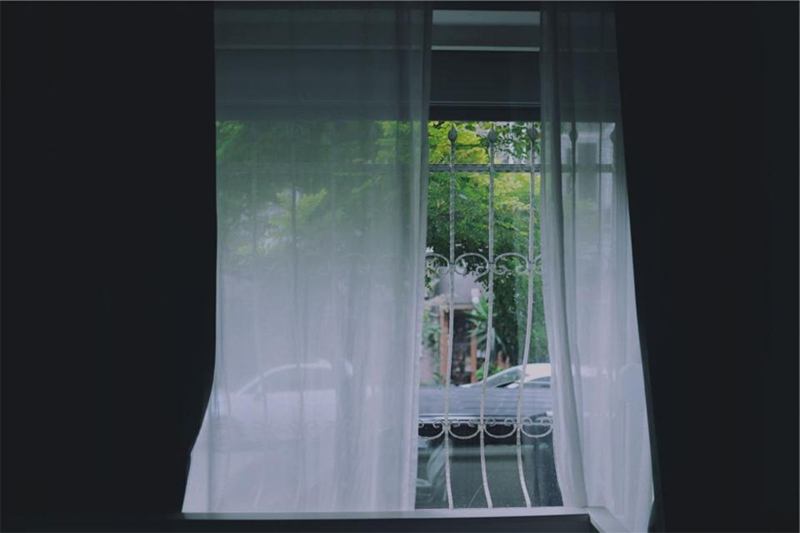
Nothing freshens a home as reliably as a few minutes of draught. Open windows fully rather than leaving them tilted, and air across the whole flat if you can. The FOPH recommends airing for at least five minutes with windows wide open during the heating season. In summer, air early in the morning and late in the evening when the air is cooler.
On hot summer days with high ozone levels, the FOPH advises skipping fragranced products entirely. How often and how long to air in each season is explained in our guide ventilate in winter. A CO2 monitor also tells you when the air is stale – see CO2 levels in your flat.
2. Remove smells at the source
If a room smells unpleasant despite airing, there is almost always a cause: a full rubbish bag, a drain, sweaty textiles, a damp cleaning cloth or leftovers in the fridge. Do not cover these smells with fragrance – find the source. The FOPH points out that a musty smell can also be a sign of damp, mould or solvents.
Good home hygiene does not need special products. According to the FOPH, it matters more to remove dust regularly, wipe surfaces with a damp cloth and clean up food residues quickly than to use particularly strong cleaners. Liquid products are easier on the airways than sprays.
For stubborn odours, our guide get rid of smells in your flat helps you track down the cause step by step.
3. Citrus peel and spices
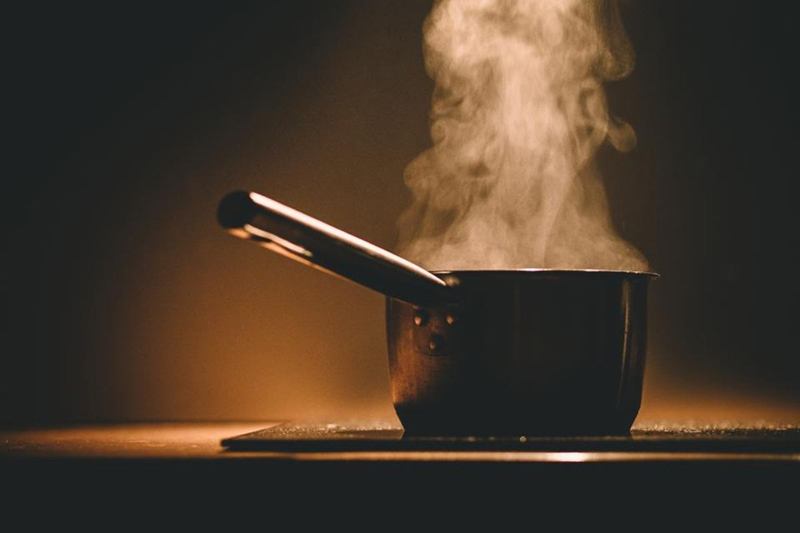
Orange, lemon and mandarin peel smells fresh and is something you have anyway. Put dried peel in an open bowl or a small fabric pouch. For a stronger scent, simmer peel with a cinnamon stick and a few cloves in a pan of water on a low heat. Stay nearby, top up the water and switch off the hob whenever you leave the kitchen.
An open tin of ground coffee or a small bowl of bicarbonate of soda in the shoe cupboard also absorbs some odour. Do not expect miracles – these are additions to airing, not a replacement.
4. Herbs and plants
Basil, mint, rosemary or lemon balm on the windowsill release their scent as soon as you brush a leaf. Lavender or Swiss stone pine (Arve) sachets in the wardrobe give laundry and the bedroom a subtle fragrance. In spring, a bunch of lilac or peonies also fills a room with natural scent.
If you have pets, choose plants with care: some houseplants and cut flowers are poisonous to cats or dogs. Ask your vet if in doubt. Change the water of cut flowers regularly, as stale vase water soon starts to smell itself.
5. Essential oils in moderation
A few drops of essential oil on a clay aroma stone or in a diffuser spread scent without a flame. Less is more here: the FOPH advises using fragrances only briefly and airing afterwards. Natural oils can also cause allergies, and some people react to strong scents with headaches. Keep diffusers out of the bedroom and away from babies.
Take care with pets as well: some essential oils are considered problematic for cats. Ask your vet for advice if you are unsure.
Common mistakes
- Masking odours: a spray over a full bin does not clean the air – it only adds to the load.
- Candles in a closed room: after an evening with scented candles, air the room thoroughly, at the latest before going to sleep.
- Incense in small rooms: it produces the most smoke – especially unsuitable for bedrooms or anyone with asthma.
- Too much oil in the diffuser: a few drops are enough; an overpowering scent is not a sign of cleanliness.
- Plug-in diffusers running non-stop: they release fragrance around the clock, even when nobody is in the room.
Frequently asked questions
Are scented candles bad for you?
When they burn, scented candles release fine dust, soot and volatile organic compounds. Used occasionally and briefly, followed by thorough airing, they are usually not a problem for healthy people. Trim the wick to reduce soot and avoid them if you have asthma.
How do I make a natural air freshener myself?
The simplest options are dried citrus peel in a bowl, lavender sachets, or a pan of water with orange peel, cinnamon and cloves simmering on a low heat. Fresh herbs on the windowsill smell lovely too. The foundation, however, is regular airing.
Are incense sticks harmful to health?
According to the FOPH, incense sticks produce more smoke and fine dust than scented candles or oil lamps. If you still use them, do so rarely, in a well-ventilated room, and air thoroughly afterwards. They are not suitable for children's rooms or bedrooms.
What helps if it still smells bad after airing?
There is usually a source: a drain, the bin, textiles, damp or mould. Look for it instead of adding fragrance. If it smells musty and you find damp patches, tenants should inform the property management.
Thanks for your feedback! Feel free to share the guide.
Thanks! What was missing? Drop us a line – we will improve the guide. WhatsApp