During a Swiss heatwave, top-floor flats and apartments with large south-facing windows can heat up like greenhouses – and many homes here have no air conditioning. It's tempting to open the windows wide in the afternoon – but that lets even more hot air in. If you want to keep your apartment cool in summer, timing is everything: air when it's cool outside, and seal the flat when it's hot.
These five rules help you keep the temperature bearable and the air fresh, using what almost every Swiss flat already has: windows, blinds and a bit of planning.
Why it's hard to keep an apartment cool in summer
Heat gets into a home in three ways: sunshine through windows, warm outside air through open windows and heat from inside – cooking, appliances, lighting and people. Solid Swiss buildings store heat in walls and ceilings. That's an advantage in the first days of a hot spell, because the building stays cool for a while, but after a week of heat the walls release warmth even at night.
The Federal Office of Public Health (BAG) gives clear advice for hot weather: keep windows closed and shaded during the day, and air at night and early in the morning. Hot days can be a strain on health, especially for older people, small children and people with chronic illnesses – so a cooler home is about more than comfort.
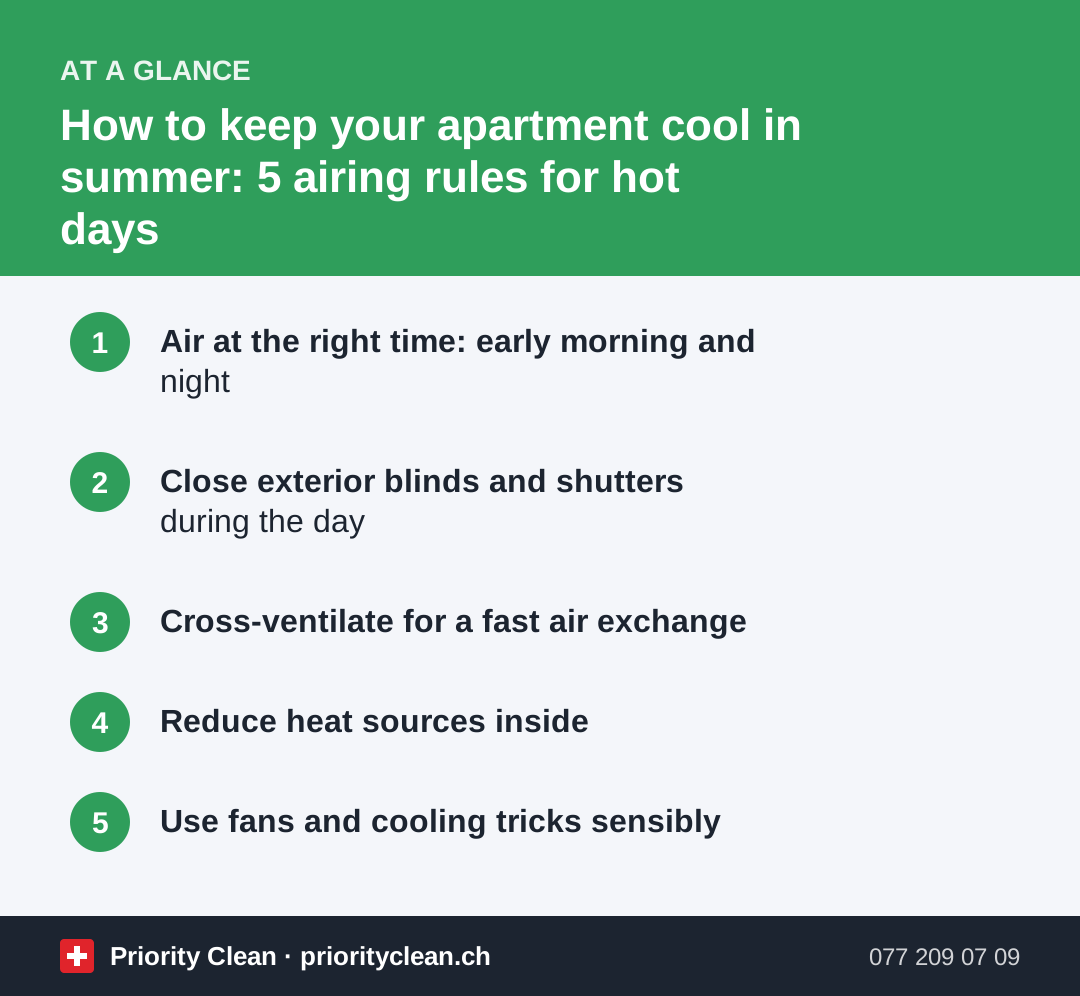
1. Air at the right time: early morning and night
The most important rule to keep an apartment cool in summer is to let air in only when it's cooler outside than inside.
- Early morning (roughly from dawn until the sun reaches your windows) is usually the best time.
- Late evening and night, once the outside temperature has dropped below the indoor temperature.
- Not during the day: Close windows as soon as the outside air gets warmer than the air inside.
A simple indoor-outdoor thermometer helps you find the right moment instead of guessing.
2. Close exterior blinds and shutters during the day
Many Swiss flats have exterior blinds (Storen) or shutters – and they're far more effective against heat than interior curtains, because they stop the sun before it hits the glass.
- Lower blinds on sunny sides before the sun reaches the windows – on east-facing windows in the morning, on south and west-facing windows from late morning.
- Keep the slats slightly tilted if you need some daylight.
- Close interior curtains too, if you have no exterior shading.
- Raise blinds again in the evening to let heat escape and air flow.
In strong wind, retract awnings and textile blinds to avoid damage – many modern systems do this automatically.
3. Cross-ventilate for a fast air exchange
A single open window exchanges air slowly. Open windows on opposite sides of the flat and the air flows through in minutes.
- Open windows or balcony doors on two sides of the flat – for example kitchen and bedroom.
- Keep interior doors open so air can pass.
- On still nights, a fan placed facing out of one window can help pull cooler air in through the other side.
- Close windows again once the outside temperature rises in the morning.
The BAG's general airing advice – open windows fully and cross-ventilate where possible instead of tilting them – applies in summer too, just at cooler times of day.
4. Reduce heat sources inside
Every appliance that runs adds heat to the flat.
| Heat source | Better in hot weather |
|---|---|
| Oven and hob | Cook in the cooler morning or evening, prefer cold dishes, use the lid |
| Dishwasher and tumble dryer | Run at night or dry laundry outside on the balcony |
| Standby devices, chargers | Switch off at the socket |
| Lighting | Use LEDs, keep lights off during the day |
| Laptops, gaming consoles | Don't leave them running unnecessarily |
Laundry drying indoors adds humidity, which makes heat feel more oppressive – dry it outside or in the building's drying room if possible.
5. Use fans and cooling tricks sensibly
Fans don't lower the room temperature, but moving air makes you feel cooler.
- Place a fan so it blows air across you, not at the wall.
- Switch fans off when you leave the room – they only help people, not rooms.
- Clean fan blades and grilles regularly so they don't blow dust around.
- Cool your body instead of the flat: lukewarm showers, light cotton bedding and plenty of water.
Mobile air conditioners with an exhaust hose through a tilted window work poorly because hot air flows back in through the gap. In rented flats, check with the property management before installing anything permanent.
Common mistakes on hot days
- Opening windows in the afternoon: Lets hot air in and warms walls further.
- Tilting windows all day: Brings in warm air without real ventilation.
- Blinds closed too late: Once the sun has warmed the room, the heat stays.
- Fans running in empty rooms: Uses power without any cooling effect.
- Airing without a draught at night: One tilted window isn't enough to cool the flat.
Fresh air also helps against stale odours – see our guide on how to get rid of a smell in your apartment. For clean insect screens before hot nights, read our tips on cleaning fly screens.
Frequently asked questions
How can I keep my apartment cool in summer without air conditioning?
Air early in the morning and at night when it's cooler outside, close windows and exterior blinds during the day, cross-ventilate and reduce indoor heat from cooking and appliances. Fans help you feel cooler.
Should I open or close windows during a heatwave?
Close them during the day when it's hotter outside than inside, and open them wide at night and early in the morning. Use a thermometer to compare indoor and outdoor temperatures.
Are interior curtains enough to block heat?
They help a little, but exterior blinds or shutters are much more effective because they stop sunlight before it reaches the glass. Light-coloured, thick curtains are better than dark, thin ones.
Does a fan cool the room?
No, a fan doesn't lower the room temperature – it creates a breeze that makes your body feel cooler. Switch it off when nobody is in the room.
Thanks for your feedback! Feel free to share the guide.
Thanks! What was missing? Drop us a line – we will improve the guide. WhatsApp