You open the front door after work and there it is: a sour, musty or sewer-like smell that wasn't there last week. Scented candles and sprays help for an hour, then the smell is back. If you want to get rid of a smell in your apartment for good, you need to find its source – odours almost always have a physical cause that can be cleaned, dried or repaired.
Here are the five most frequent causes we come across in Swiss apartments, how to recognise each one and what to do about it.
How to track down a smell in your apartment
Before you try to get rid of the smell by cleaning at random, play detective for a few minutes.
- Where is it strongest? Walk through each room and sniff near drains, bins, cupboards, textiles and corners.
- When does it appear? After showering, when it rains, when the heating is on, after cooking?
- What does it smell like? Sewer, sour, musty, sweet-rotten or chemical smells each point to different causes.
The table gives a first orientation:
| Smell | Likely cause | Where to look |
|---|---|---|
| Sewer, rotten eggs | Dried-out or dirty drain trap | Shower, washbasin, floor drain in the laundry room |
| Sour, rotten | Food waste, spills | Bins, green-waste caddy, fridge, under the cooker |
| Musty, earthy | Damp, mould | Corners, behind furniture, window seals, cellar |
| Stale, sweaty | Textiles | Curtains, sofa, rugs, mattress, sports kit |
| Sweet, chemical | Products, new furniture | Recently bought items, stored cleaners |
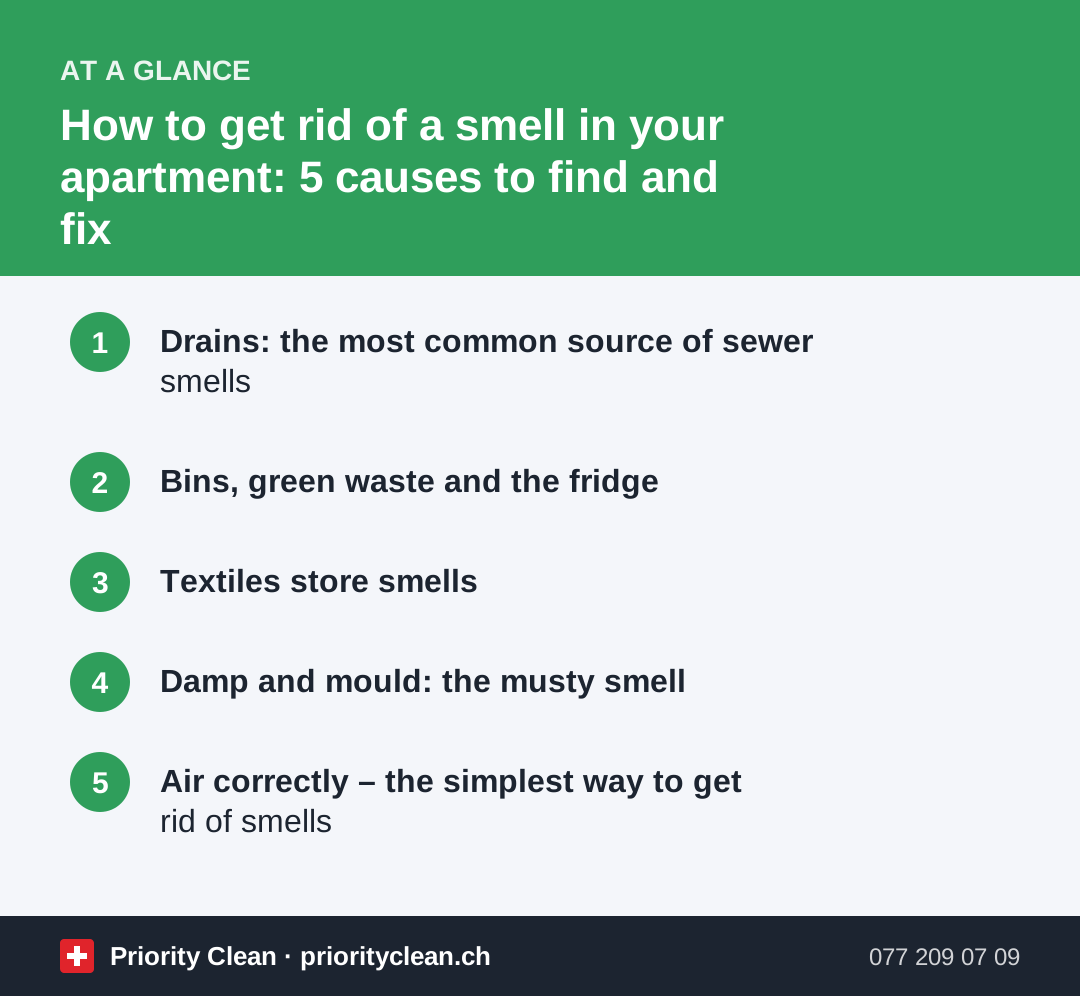
1. Drains: the most common source of sewer smells
A drain trap holds water to block sewer gases. If a basin or shower isn't used for a while – for example in a guest bathroom or after holidays – the water evaporates and the smell comes up. Hair, soap and grease inside the trap also start to smell.
- Run water in every drain for a minute, including rarely used ones and floor drains.
- Clean the plughole, hair catcher and overflow with a brush and hot soapy water.
- Take apart and clean the trap under the washbasin or kitchen sink if the smell persists.
Our guide on a smelly drain explains each step in detail. If the smell continues after cleaning, inform the property management – there may be a problem with the building's pipes or ventilation.
2. Bins, green waste and the fridge
In warm weather, food waste starts to smell within a day.
- Empty the green-waste caddy and kitchen bin more often in summer.
- Wash bins and lids with hot water and washing-up liquid, and let them dry.
- Check the fridge for spoiled food and clean the drain hole at the back.
- Look under and behind the cooker and fridge for forgotten food scraps.
A clean fridge is a big step – see our guide on how to clean a fridge.
3. Textiles store smells
Curtains, rugs, sofa cushions, mattresses and clothes absorb cooking fumes, smoke, sweat and pet odours – and release them slowly for weeks.
- Wash curtains, cushion covers and throws according to the care label.
- Vacuum sofas, rugs and mattresses, then freshen them with baking soda sprinkled overnight and vacuumed up.
- Don't store damp sports kit or towels in closed bags or hampers.
- Air bedding regularly.
If laundry itself still smells after washing, read our guide to musty-smelling laundry.
4. Damp and mould: the musty smell
A musty, earthy smell is often the first sign of too much humidity and possibly mould – behind wardrobes on outside walls, in window corners, around silicone joints or in the cellar.
The Federal Office of Public Health (BAG) explains that mould in the home should be removed quickly and the cause of the moisture always found and fixed. The WHO guidelines on dampness and mould also describe why controlling indoor moisture matters for health.
- Move furniture a few centimetres away from outside walls.
- Check window seals and corners for dark spots.
- Dry the bathroom after showering and ventilate.
- In a rented apartment, report visible or recurring mould to the property management in writing – it can be a defect that the landlord needs to fix.
5. Air correctly – the simplest way to get rid of smells
Fresh air removes odours and moisture at the same time – if you do it properly. The BAG recommends opening windows fully, cross-ventilating where possible and airing for at least five minutes during the heating season, rather than leaving windows permanently tilted.
- Air several times a day, especially after cooking, showering and in the morning.
- Open windows on opposite sides of the apartment for a draught.
- Keep the kitchen door closed while cooking and use the extractor hood.
- In summer, air early in the morning and late in the evening when it's cooler.
Why air fresheners don't solve the problem
Sprays, plug-ins and scented candles add a new smell on top of the old one. They don't get rid of bacteria, moisture or residue, and many people find strong fragrances unpleasant or irritating. Use them sparingly, if at all – and only once the source is gone.
Common mistakes when fighting odours
- Masking instead of cleaning: The smell returns as soon as the scent fades.
- Tilting windows for hours: Cools walls without exchanging much air.
- Ignoring rarely used drains: Dried-out traps let sewer gas in.
- Wiping away mould without finding the cause: It grows back.
- Mixing strong cleaners to "disinfect": Dangerous fumes – never combine products.
Frequently asked questions
How do I get rid of a bad smell in my apartment?
Find the source first: check drains, bins, the fridge, textiles and damp corners. Clean or dry the source, wash smelly textiles and air the flat with windows fully open several times a day.
Why does my apartment smell like sewage?
Usually a drain trap has dried out or is dirty – common in rarely used showers, basins and floor drains. Run water in all drains and clean the traps. If the smell persists, inform the property management.
How do I get rid of a musty smell in my flat?
A musty smell often points to damp or mould. Look behind furniture, in window corners and around silicone joints, air correctly and dry wet areas. Report recurring mould to your landlord.
Does baking soda remove odours?
Yes, baking soda absorbs odours from fridges, shoe cupboards, textiles and rugs. It's a good helper once the source is removed, but it won't solve a drain or mould problem on its own.
Thanks for your feedback! Feel free to share the guide.
Thanks! What was missing? Drop us a line – we will improve the guide. WhatsApp