Windows that are wet on the inside every morning, a musty smell in the bedroom, towels that never really dry – these are classic signs that the air in your home holds too much moisture. If you want to reduce humidity in your apartment, the good news is that small changes to everyday habits often make the biggest difference. Left unchecked, however, high humidity can lead to mould on walls, window frames and behind furniture.
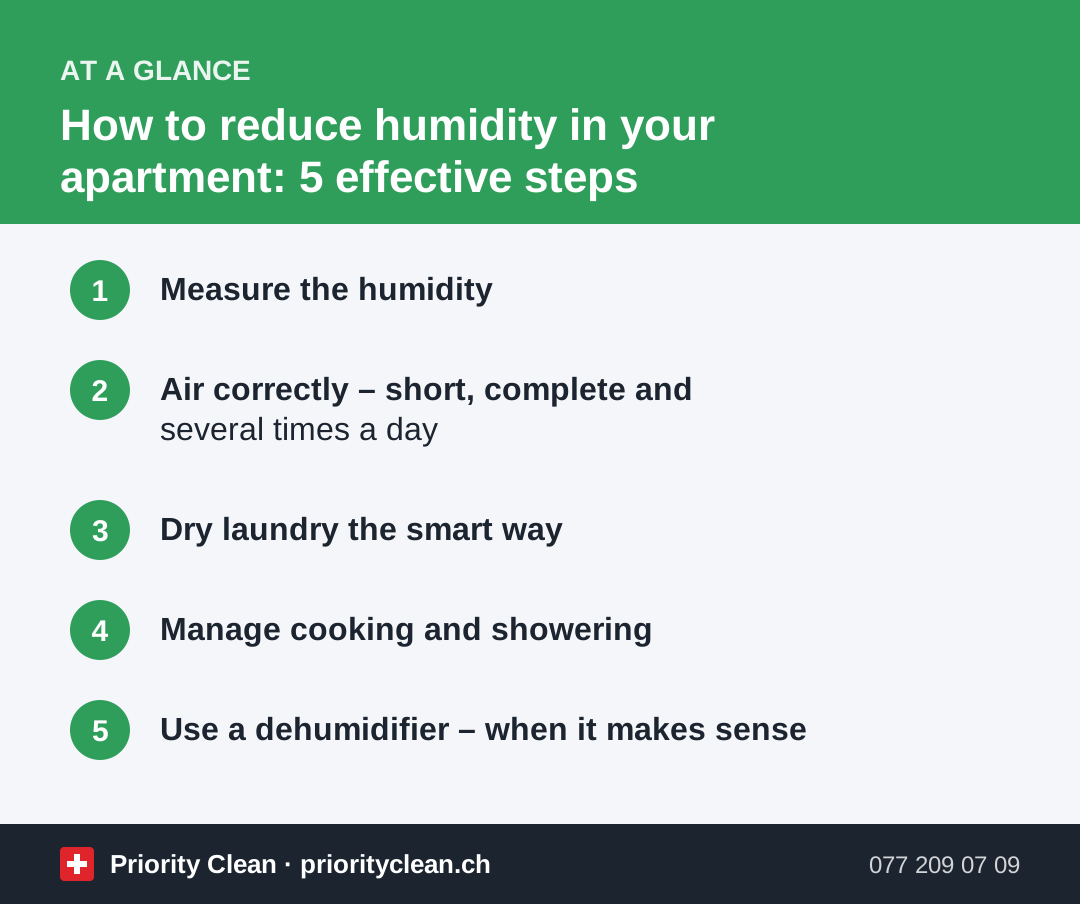
Here are five effective steps, starting with the one most people skip: measuring.
Why humidity in an apartment gets too high
Every household produces moisture: breathing, cooking, showering, washing up, plants and especially drying laundry. In summer, open windows let it escape. In the heating season, windows are closed and the moisture stays inside.
Warm air can hold more moisture than cold air. When warm, humid room air meets a cold surface – a window pane, an outside wall or a corner behind a wardrobe – it cools and the moisture condenses. That is why condensation and mould usually appear on outside walls and around windows.
Modern, well-sealed windows in renovated buildings save energy but also mean less natural air exchange, so airing habits matter even more.
1. Measure the humidity
You cannot feel reliably whether the air is too humid. A digital hygrometer from the DIY store costs little and gives clear numbers.
- Place it at about head height, away from windows, radiators and the bathroom door.
- Check it at different times of day for about a week.
- Measure in several rooms, especially the bedroom.
The homeowners' association HEV recommends a relative humidity of 30–50 % in the heating season, and below 40 % on very cold days. If your readings are often above that, it is time to act.
2. Air correctly – short, complete and several times a day
Airing is the most effective and cheapest way to lower humidity.
- Open windows fully for 5–10 minutes, ideally opposite windows at the same time for a cross-draught.
- Three times a day is a good rule, as recommended by EnergieSchweiz – more often after showering, cooking or drying laundry.
- Avoid permanently tilted windows in winter: they cool down the walls but exchange little air.
- Turn down the radiator while airing, then turn it back up.
The Federal Office of Public Health describes correct airing and heating as the basis for good indoor air and protection against damp.
3. Dry laundry the smart way
A single load of washing releases a lot of water into the air as it dries. In a small apartment, this can be the main source of excess humidity.
- Use the building's drying room or laundry room where available.
- Use a tumble dryer if you have one or can access one in the shared laundry room.
- If you must dry indoors, do it in a room you can air well and keep the door closed.
- Never dry laundry in the bedroom.
- Spin laundry at the highest speed the fabric allows, so less water needs to evaporate.
4. Manage cooking and showering
The kitchen and bathroom produce large amounts of steam in a short time.
In the kitchen:
- Use lids on pots and pans.
- Switch on the extractor hood before you start cooking and let it run a little afterwards.
- Keep the extractor hood filters clean – a greasy filter works poorly.
- Air briefly after cooking.
In the bathroom:
- Switch on the bathroom fan during and after showering, if there is one.
- Squeegee the shower walls and tiles after showering – the water goes down the drain instead of into the air.
- Hang towels to dry spread out, not bunched up.
- Keep the bathroom door closed while showering and air the room fully afterwards.
5. Use a dehumidifier – when it makes sense
An electric dehumidifier can help in specific situations: a damp cellar room, a room where laundry must be dried, or during a period of very humid weather.
- Choose a size suitable for the room.
- Empty the water tank regularly and clean it according to the manual so it does not become a source of bacteria.
- Keep doors and windows closed while it runs.
- Use it in addition to airing, not instead of it.
Chemical moisture absorbers (boxes with granules) only absorb small amounts and are more suitable for wardrobes or small spaces.
| Moisture source | Quick fix |
|---|---|
| Drying laundry indoors | Drying room or tumble dryer, air the room well |
| Cooking | Lids on pots, extractor hood on, air afterwards |
| Showering | Fan on, squeegee, air fully afterwards |
| Sleeping | Air the bedroom in the morning, no laundry there |
| Many plants | Fewer plants in small rooms, don't overwater |
Common mistakes
- Leaving windows tilted all day: Cold walls, little air exchange and high heating costs.
- Turning the heating off completely in unused rooms: Cold walls attract condensation.
- Ignoring window condensation: Water on the frames can damage seals and cause mould. Wipe it away. For preventing mould behind wardrobes, see our guide on mould behind furniture.
- Relying only on a dehumidifier: It treats symptoms, not causes.
Frequently asked questions
What is a good humidity level in an apartment in winter?
According to the homeowners' association HEV, relative humidity in the heating season should be between 30 and 50 %, and below 40 % on very cold days. A hygrometer helps you check.
How can I reduce humidity in my apartment without a dehumidifier?
Air fully several times a day, dry laundry outside living areas, use the extractor hood and bathroom fan, put lids on pots and keep rooms evenly heated. These habits often make the biggest difference.
Why are my windows wet on the inside in the morning?
Moisture from breathing and household activities condenses on the cold glass overnight. Air the bedroom thoroughly in the morning, wipe the condensation away and check your humidity levels.
Does drying laundry indoors cause mould?
It adds a lot of moisture to the air. Without good airing, that moisture can condense on cold walls and encourage mould. Dry laundry in a drying room or air the room well.
Thanks for your feedback! Feel free to share the guide.
Thanks! What was missing? Drop us a line – we will improve the guide. WhatsApp