A cupboard full of special sprays – one for glass, one for the bathroom, one for the kitchen, one for the floor – takes up space, costs money and creates packaging waste. A handful of basic ingredients can replace most of them. Homemade cleaning products can be surprisingly effective, as long as you understand what each ingredient does – and which popular internet recipes are useless or even dangerous.
Here are five recipes that work in everyday cleaning, three you should skip and the safety rules that apply to every bottle you fill yourself.
The basic ingredients and what they do
The Swiss consumer protection foundation recommends a few household remedies instead of many special cleaners – vinegar, citric acid, soda, baking soda, curd soap, salt and alcohol, together with the right cleaning tools.
| Ingredient | Works against | Don't use on |
|---|---|---|
| Vinegar (household vinegar) | Limescale, water spots, light soap scum | Natural stone, some rubber seals over time |
| Citric acid | Limescale, rust marks | Natural stone, hot water mixtures |
| Baking soda (bicarbonate of soda) | Grease, odours, light scrubbing | Delicate high-gloss surfaces (scratch risk as paste) |
| Soda crystals (washing soda) | Heavy grease | Aluminium, wood, skin without gloves |
| Soft soap / curd soap / washing-up liquid | Everyday dirt, grease | Waxed or oiled surfaces in high doses |
| Spirit (alcohol) | Streaks on glass, grease film | Near open flames; some plastics and varnishes |
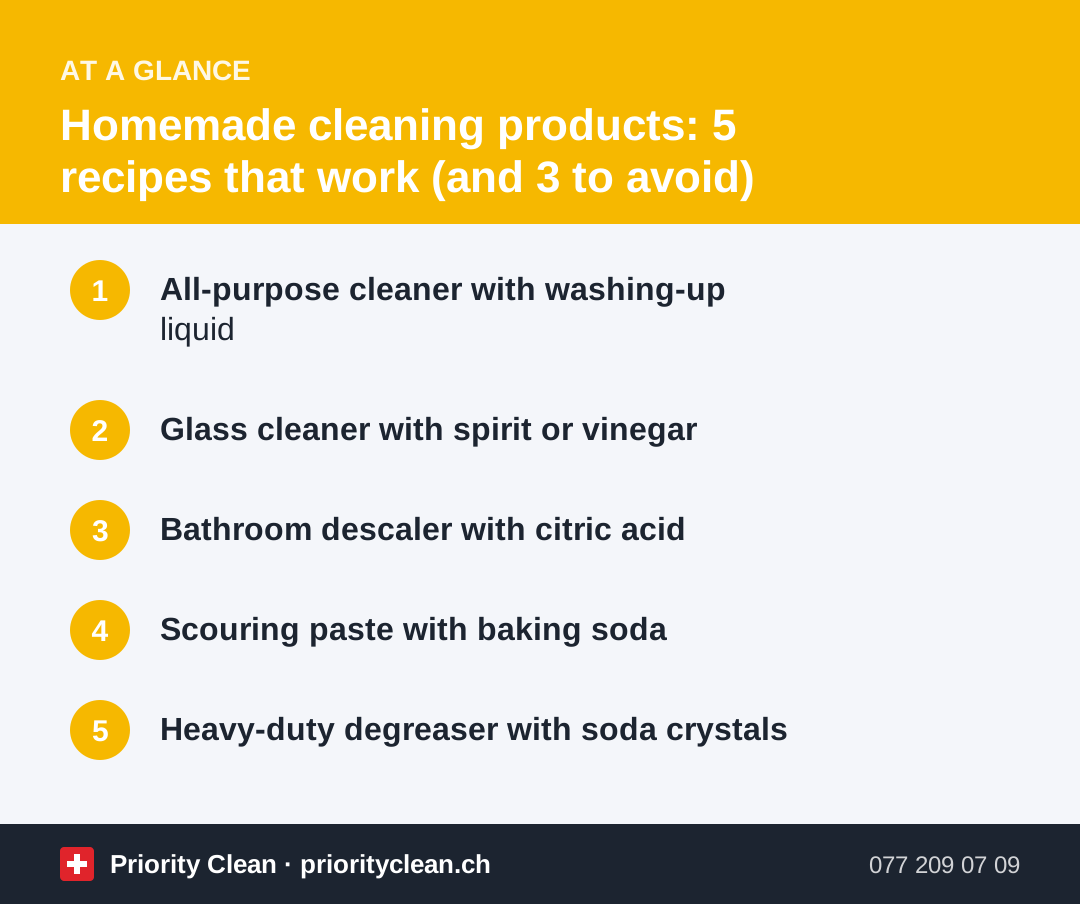
1. All-purpose cleaner with washing-up liquid
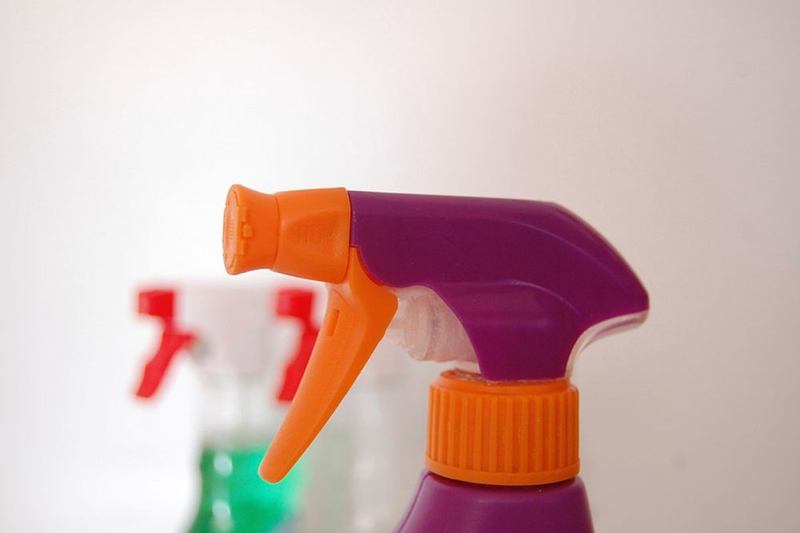
The simplest homemade cleaner is also the most versatile – for worktops, tiles, doors, light switches and plastic surfaces.
- Fill a spray bottle with 500 ml of lukewarm water.
- Add a teaspoon of clear washing-up liquid or liquid soft soap.
- Shake gently, spray and wipe with a microfibre cloth.
That's it. Many people add essential oils for scent, but they don't make the cleaner work better and can irritate sensitive skin.
2. Glass cleaner with spirit or vinegar
For windows, mirrors and glass tables:
- Mix 250 ml of water with 2–3 tablespoons of spirit (or vinegar).
- Add one drop of washing-up liquid – no more.
- Spray lightly, wipe with a lint-free microfibre cloth and polish dry.
Keep vinegar away from natural stone window sills. For the technique that matters more than the recipe, see our guide on cleaning windows without streaks.
3. Bathroom descaler with citric acid
Citric acid is odourless and very effective against limescale on glass, chrome and ceramic tiles.
- Dissolve 2 tablespoons of citric acid powder in 500 ml of cold or lukewarm water.
- Spray on, leave for 10–15 minutes, wipe and rinse thoroughly.
- Make small batches – the solution doesn't keep for months.
Never use it on marble, limestone or travertine. More on this in our guide to limescale in the shower.
4. Scouring paste with baking soda
For hobs, sinks, grout and burnt-on spots:
- Mix 3 tablespoons of baking soda with a little water or washing-up liquid into a spreadable paste.
- Apply with a soft sponge, leave for a few minutes and work in gently.
- Wipe off with a damp cloth and rinse.
Test first on high-gloss, coated or delicate surfaces – even a mild abrasive can leave fine scratches.
5. Heavy-duty degreaser with soda crystals
Soda crystals (washing soda) are more alkaline than baking soda and cut through heavy grease on extractor hood filters, oven trays and very dirty floors.
- Dissolve 1–2 tablespoons of soda crystals in a litre of hot water.
- Wear gloves – the solution irritates skin.
- Wipe or soak the greasy parts, then rinse thoroughly with clear water.
Don't use it on aluminium, which can darken, or on waxed and oiled wood.
3 homemade recipes you should skip
Not every popular recipe is a good idea.
- Vinegar and baking soda in one bottle: The fizz looks impressive, but acid and alkali neutralise each other – what's left is mostly salty water. Use them one after the other, rinsing in between, if you need both.
- Vinegar or citric acid mixed with bleach: This is dangerous. Chlorine bleach combined with acids releases toxic gas. The Federal Office of Public Health explains why bleach must never be mixed with acidic cleaners – the same applies to ammonia.
- Stale bread, cola or toothpaste as universal cleaners: Some of these tricks leave sticky residue or scratch surfaces. They rarely beat the simple recipes above.
Common mistakes with DIY cleaning products
- Mixing everything together: Ingredients cancel each other out or react dangerously.
- Using acids on natural stone: Leaves dull, etched spots.
- Too much soap: Leaves sticky, streaky residue that attracts dirt.
- Big batches: Solutions can lose effect or grow bacteria over time – mix small amounts.
- No labels: Confusion in the cupboard and risk for children.
For stain-specific tips using the same ingredients, see our guide to home remedies for stains.
Frequently asked questions
Do homemade cleaning products really work?
Yes, for most everyday tasks. Washing-up liquid in water cleans surfaces, vinegar and citric acid remove limescale, and baking soda helps with grease and odours. For heavy soiling or special surfaces, commercial products can be more suitable.
Why shouldn't I mix vinegar and baking soda?
Vinegar is an acid and baking soda an alkali, so they neutralise each other. The fizzing is the reaction – afterwards, little cleaning power remains. Use them separately.
What is the best homemade all-purpose cleaner?
Lukewarm water with a teaspoon of washing-up liquid or soft soap in a spray bottle. It's safe on most surfaces and cleans everyday dirt effectively.
How long do homemade cleaning products last?
Mix small quantities and use them within a few weeks. Label bottles with the date, and throw away any solution that looks cloudy or smells unusual.
Thanks for your feedback! Feel free to share the guide.
Thanks! What was missing? Drop us a line – we will improve the guide. WhatsApp