A spotless weekend followed by a week of growing chaos – many households know this cycle. A good cleaning schedule breaks it by turning cleaning from a big, dreaded event into small, predictable tasks. The trouble is that most plans are either too ambitious or too vague and end up forgotten on the fridge. Here is how to create a cleaning schedule in five steps that fits your real week, whether you live alone, as a family or in a flatshare.
Why most cleaning schedules fail
A plan fails for predictable reasons: it lists too many daily tasks, it ignores busy weekdays, nobody feels responsible, or it is so detailed that checking it becomes a chore of its own. Another common problem is that plans do not distinguish between keeping things tidy and deep cleaning.
A realistic plan does the opposite. It fits into the time you really have, spreads larger jobs over the month and makes clear who does what. The Swiss Council for Accident Prevention also recommends planning big cleaning jobs and taking breaks instead of rushing through everything at once – hurry is a common cause of accidents at home.
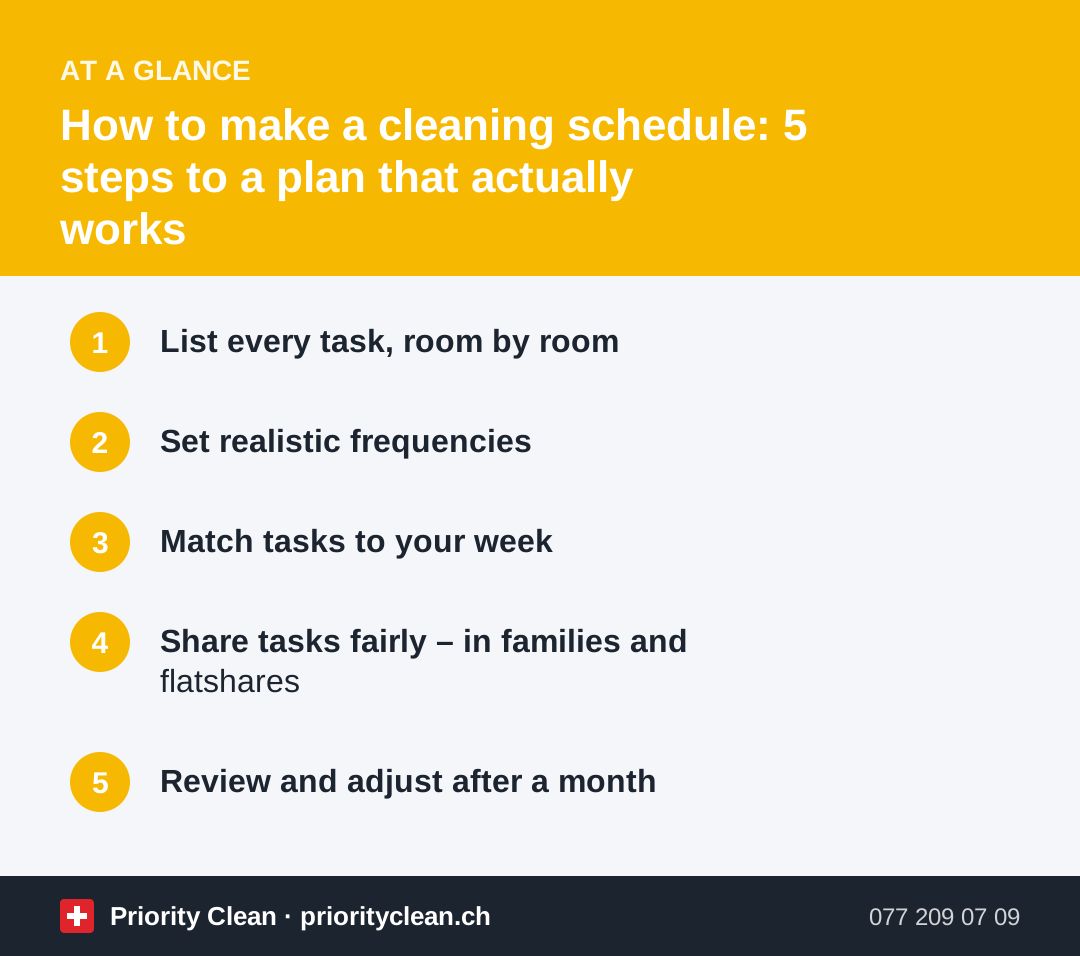
1. List every task, room by room
Walk through your flat with a notepad or your phone and write down every cleaning task you can see, including the ones you usually forget.
- Kitchen: worktops, hob, sink, fridge, oven, extractor hood filters, bins
- Bathroom: toilet, washbasin, shower, mirror, towels, drains
- Living areas: dusting, vacuuming, mopping, cushions, plants
- Bedrooms: bed linen, wardrobe, under the bed
- Other: entrance, windows, blinds, balcony, cellar compartment, recycling
This inventory prevents the classic effect where only the visible surfaces get cleaned while dust builds up on top of cupboards.
2. Set realistic frequencies
Next, decide how often each task needs doing in your household. Pets, children, allergies and the size of your flat all make a difference.
| Frequency | Typical tasks |
|---|---|
| Daily (5–10 minutes) | Wash up or load dishwasher, wipe worktops, quick tidy, air rooms |
| Weekly | Clean bathroom and toilet, vacuum and mop floors, dust, change towels, empty bins, change bed linen |
| Monthly | Clean fridge, extractor hood filters, dishwasher filter, skirting boards, inside of microwave |
| Seasonal | Windows and blinds, oven, curtains, mattress, cellar, balcony |
For people with a dust mite allergy, the allergy centre aha! recommends, among other things, washing bedding at 60 °C – such needs may shift certain tasks to a higher frequency.
3. Match tasks to your week
Now place the weekly tasks on specific days. Look honestly at your schedule:
- Put longer jobs on days with more free time, such as a lighter weekday or Saturday morning.
- Group tasks by room, so you do not switch between areas constantly.
- Link tasks to existing routines – for example, clean the bathroom right after the Saturday shower.
- In Swiss apartment buildings, factor in your laundry room slot, which often determines when bed linen and towels can be washed.
- Leave one day completely free as a buffer.
For quick sessions, our guide on how to clean your apartment fast shows the most efficient order of work.
4. Share tasks fairly – in families and flatshares
A cleaning schedule only works if responsibilities are clear.
- Couples and families: Assign tasks by name. Children can take on age-appropriate jobs such as setting the table, emptying bins or tidying their rooms.
- Flatshares (WG): Use a rotating rota for shared areas – kitchen, bathroom, hallway, recycling – so no one is always stuck with the toilet.
- Agree standards: Define briefly what "done" means for each task, e.g. "bathroom: toilet, washbasin, mirror, floor".
- Make it visible: A printed plan on the fridge or a shared digital list works better than verbal agreements.
Cleaning products should be stored safely, especially in homes with children. cheminfo.ch recommends keeping them out of children's reach and ideally locked.
5. Review and adjust after a month
No cleaning schedule is perfect on the first attempt. After four weeks, ask yourselves:
- Which tasks were regularly skipped – and why?
- Are some tasks needed more or less often than planned?
- Is the workload fairly distributed?
- Is there a job you would rather outsource?
Adjust the plan and keep it simple. At the end of the year, it is worth planning seasonal tasks for the following twelve months – see our cleaning schedule for 2027.
Common mistakes with cleaning schedules
- Copying a plan made for a different household: A family house and a 2.5-room flat have different needs.
- Too many daily tasks: Leads to frustration and giving up.
- No names next to tasks: "We" usually means nobody.
- Forgetting seasonal tasks: Windows, blinds and the oven become big projects if they only get done when moving out.
- Never reviewing the plan: Life changes, and the plan should too.
Frequently asked questions
What should be on a weekly cleaning schedule?
Typically: cleaning the bathroom and toilet, vacuuming and mopping floors, dusting surfaces, changing towels and bed linen, and emptying bins. Add tasks specific to your household, such as pet areas.
How do I make a cleaning schedule for a flatshare?
List the shared areas, agree what "done" means for each, and create a rotating rota so everyone takes turns. Display it visibly and review it together after a month.
How long should cleaning take per week?
It depends on the size of your home, the number of people and pets, and your standards. Short daily habits reduce the time needed for the weekly clean considerably.
What are monthly cleaning tasks?
Common monthly tasks include cleaning the fridge, extractor hood filters, dishwasher filter, skirting boards, light switches and door handles, and the inside of the microwave.
Thanks for your feedback! Feel free to share the guide.
Thanks! What was missing? Drop us a line – we will improve the guide. WhatsApp