You switch on the bathroom light at night and something small and silvery darts under the bath mat. Silverfish are among the most common insects in Swiss homes, especially in bathrooms, kitchens and cellars. They don't bite, don't transmit diseases and don't damage the building – but they tell you something important about your home: there's probably too much moisture. If you want to get rid of silverfish for good, the solution is less about killing them and more about making your bathroom a place they don't like.
Here are five steps that tackle the root cause, plus a word on their drier-loving cousin, the grey silverfish.
What silverfish tell you about your home
Silverfish are small, wingless insects, about one centimetre long, with a silvery, scale-covered body. They're active at night and hide during the day in cracks, behind skirting boards, under bath mats and in gaps around pipes. They feed on starchy and protein-rich debris: skin flakes, hair, crumbs, paper glue and mould spores.
The City of Zurich's pest prevention fact sheet describes silverfish as a sign of damp spots in the home and names lowering humidity and correct airing as key measures. So when you see them regularly, treat them as a hint to check your home's moisture levels – that's where any attempt to get rid of them has to start.
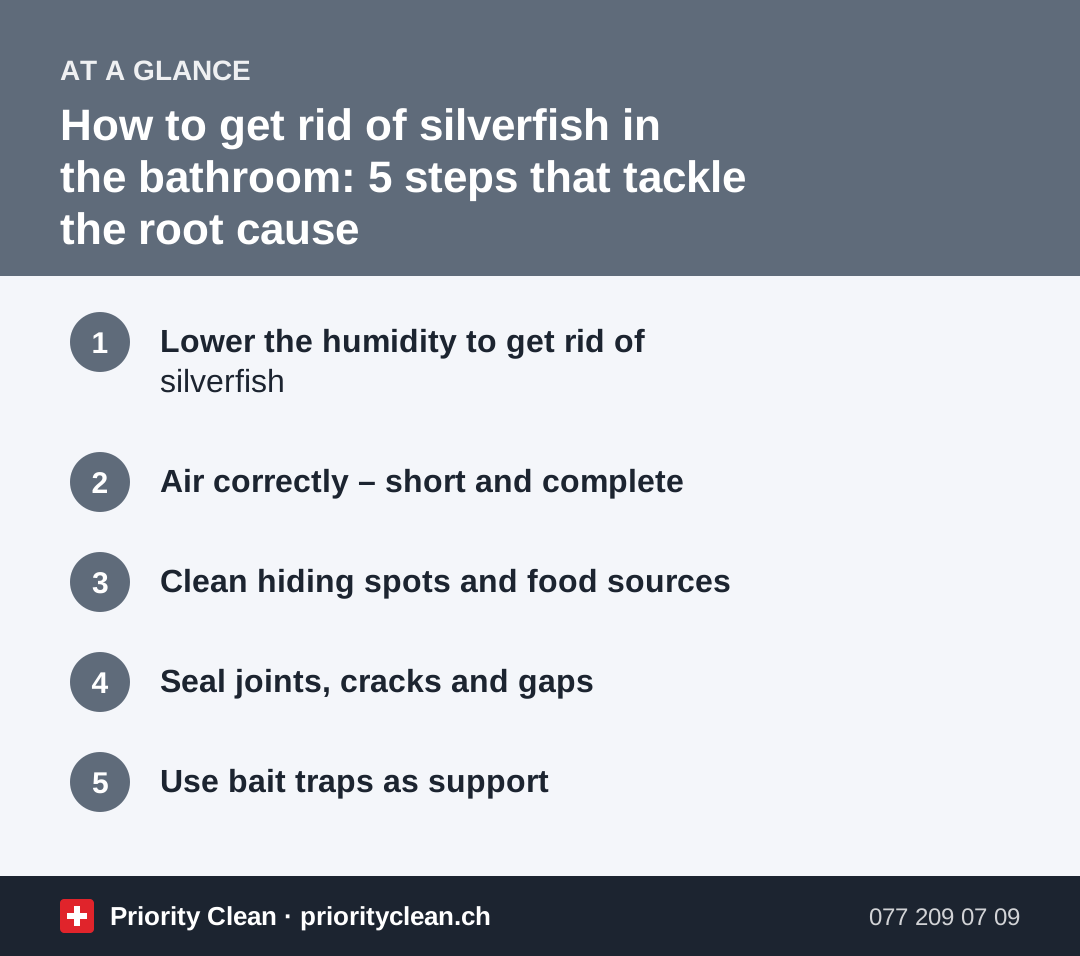
1. Lower the humidity to get rid of silverfish
This is the step that matters most. Silverfish need moist air to survive – if the bathroom stays dry, they move elsewhere or die off.
- After showering, squeegee the walls and glass and wipe the floor dry.
- Hang towels and bath mats to dry outside the bathroom or on a heated rail.
- Keep the bathroom door open after showering if the flat is well ventilated.
- Run the extractor fan in windowless bathrooms long enough after showering – check that it actually works and the grille isn't clogged with dust.
- Use a simple hygrometer to check humidity levels.
2. Air correctly – short and complete
In bathrooms with a window, a permanently tilted window isn't the solution – it cools the walls and removes little moisture. The Federal Office of Public Health recommends opening windows fully and cross-ventilating where possible, for at least five minutes during the heating season.
After a hot shower, open the window fully for several minutes, ideally with a draught through the flat, then close it again. In winter, keep the bathroom reasonably heated so walls don't cool down and attract condensation.
3. Clean hiding spots and food sources
Silverfish live on what we barely see: hair, skin flakes, dust and tiny mould spots.
- Vacuum thoroughly along skirting boards, behind the toilet, under the washbasin cabinet and in corners.
- Wipe floors and tiles with a damp cloth and dry them afterwards.
- Wash bath mats regularly and let them dry fully.
- Remove piles of cardboard, old newspapers and paper bags from the bathroom, storage room and cellar.
- Check behind the washing machine and in the laundry corner.
4. Seal joints, cracks and gaps
Open silicone joints, gaps behind skirting boards and holes around pipes offer ideal hiding spots – and often trap moisture.
- Check the silicone joints around the bath, shower and washbasin. Cracked or mouldy joints should be renewed.
- Fill small gaps along skirting boards with acrylic sealant.
- In a rented flat, report damaged joints, leaks or recurring damp to the property management – maintenance of the building fabric is usually the landlord's responsibility.
If the silicone is already black, read our guide on black mould on silicone joints.
5. Use bait traps as support
Bait traps for silverfish from the supermarket or DIY store contain an attractant and an insecticide or a sticky surface. They reduce the population, but they won't get rid of silverfish for good if the bathroom stays damp.
- Place them along walls and in corners where you've seen silverfish.
- Keep them out of reach of children and pets and follow the instructions.
- Avoid spraying insecticide in the bathroom – it lands on surfaces you touch every day.
Home remedies like a damp, rolled-up newspaper overnight (disposed of in the morning) can catch a few, but they're more of a monitoring tool than a solution.
Grey silverfish: the drier-loving relative
A related species – the grey silverfish or long-tailed silverfish (Papierfischchen in German) – also turns up in Swiss homes. It's slightly larger, greyer and, unlike the common silverfish, also lives in drier rooms such as living rooms and bedrooms, where it can nibble on paper, books and wallpaper.
| Common silverfish | Grey silverfish | |
|---|---|---|
| Appearance | Silvery, shiny, about 1 cm | Grey, hairier, slightly larger, long tail bristles |
| Where | Bathroom, kitchen, cellar – damp places | Also dry rooms, behind skirting boards, in bookshelves |
| Main measure | Lower humidity | Thorough cleaning, sealing gaps, bait traps; often professional help |
If you find grey silverfish in several rooms, a professional pest controller is usually the most effective route – in rented flats, involve the property management.
Common mistakes when trying to get rid of silverfish
- Only spraying insecticide: Doesn't fix the damp and exposes you to chemicals.
- Tilted bathroom window all day: Cools walls without drying the air.
- Wet bath mats and towels left lying: Perfect humidity for silverfish.
- Ignoring cracked silicone joints: Hiding spots and moisture traps.
- Giving up too quickly: It takes a few weeks of drier conditions before numbers drop.
If other small visitors are bothering you, read our guide to ants in your apartment.
Frequently asked questions
How do I get rid of silverfish permanently?
Lower the humidity: dry the bathroom after showering, air correctly and fix leaks or damaged joints. Clean hiding spots thoroughly and use bait traps as support. Without damp conditions, silverfish don't survive long.
Are silverfish dangerous?
No. Silverfish don't bite, sting or transmit diseases. They are, however, a sign of high humidity, which can also encourage mould.
Why do I have silverfish in my bathroom?
Bathrooms offer what silverfish need: warmth, moisture, hiding spots and food like hair and skin flakes. Poor ventilation, wet towels and open joints make the problem worse.
What is the difference between silverfish and grey silverfish?
Common silverfish need damp conditions and live mainly in bathrooms and kitchens. Grey silverfish are larger, greyer and also live in dry rooms, where they can damage paper. They are often harder to control and may need professional help.
Thanks for your feedback! Feel free to share the guide.
Thanks! What was missing? Drop us a line – we will improve the guide. WhatsApp