When you rented your flat, you probably paid up to three months' rent into a blocked bank account. For many expats, that rent deposit in Switzerland (Mietzinsdepot in German, garantie de loyer in French) is a significant amount – and getting it back quickly matters, especially if you're paying a new deposit at the same time. The good news: if you prepare the handover properly, the release is usually straightforward.
Here are five things to take care of before and after moving out, with the key legal basics explained in plain English. This is general information, not legal advice – your lease and the specific situation are decisive.
How the rent deposit works in Switzerland
In Switzerland, the rules for residential leases are set out in the Code of Obligations. According to Art. 257e CO, a cash deposit must be held in a savings or deposit account at a bank in the tenant's name, and for flats it may not exceed three months' rent. The bank may only release the money with the consent of both parties, on the basis of a final payment order or a court judgment – or at the tenant's request if the landlord hasn't asserted a legal claim within one year after the end of the lease.
In practice, this means the landlord or property management (Verwaltung) usually signs a release form once the handover is complete and any open costs are settled. Some tenants use a rent deposit guarantee from an insurer instead of a cash account; the release process then follows the terms of that contract.
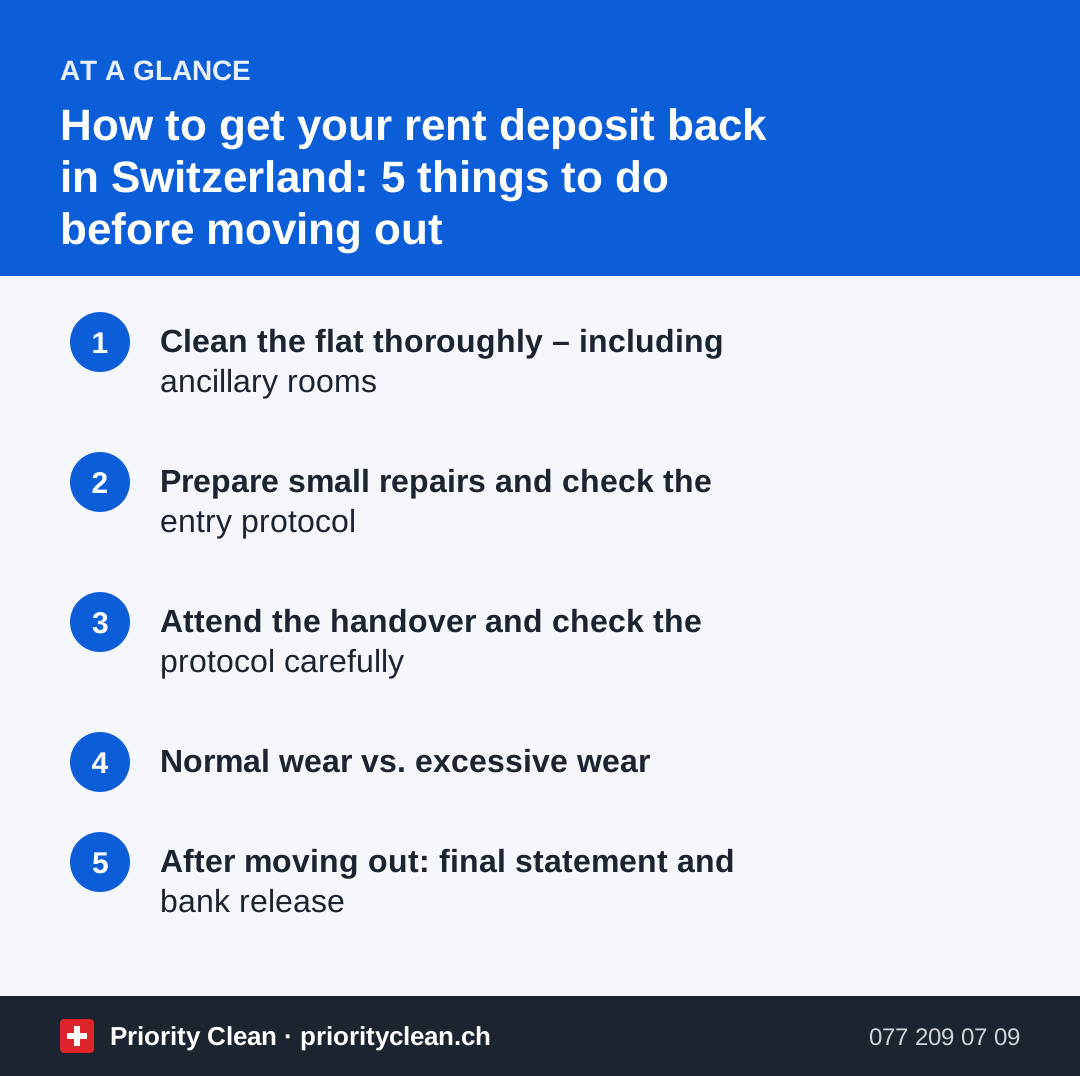
1. Clean the flat thoroughly – including ancillary rooms
In our experience, cleaning is a frequent reason for disagreements at the handover. The property management expects the flat to be thoroughly clean: kitchen appliances, limescale in the bathroom, windows including frames and blinds, cupboards, floors, and ancillary rooms such as cellar, attic, letterbox and garage.
- Ask for the property management's handover checklist early.
- Plan the cleaning so it's finished before the handover appointment – not on the same morning.
- Decide honestly whether you'll do it yourself or hire a company. Our guide on DIY end of tenancy cleaning vs. hiring a company helps you weigh it up.
If something is objected to because of cleaning, you'll normally need a second appointment or accept costs – which delays the release of your deposit.
2. Prepare small repairs and check the entry protocol
Look out the protocol from when you moved in. Defects that were already listed then are not your responsibility at the end.
- Compare the current state with the entry protocol and your own photos from moving in.
- Fix small things you're responsible for as a tenant, such as replacing a broken lightbulb or tap aerator, depending on your lease.
- Fill small dowel holes if your lease or local practice requires it.
- Don't make bigger repairs yourself without agreeing them with the property management – poor DIY repairs can cause more costs.
3. Attend the handover and check the protocol carefully
At the handover appointment, you walk through the flat with the landlord or property management, and any defects are recorded in a handover protocol (Abgabeprotokoll).
The Swiss tenants' association points out that you should read the protocol carefully and are not obliged to sign it if you disagree with the entries. If you do sign, you can note your objections in writing – for example "wear and tear due to normal use" or "defect already listed in the entry protocol".
Legally, the landlord must check the condition of the flat at the handover and notify the tenant immediately of defects the tenant is liable for; otherwise, claims are generally lost, except for defects that couldn't be detected during a usual inspection.
| At the handover | Why it matters |
|---|---|
| Bring the entry protocol and photos | Proves existing defects |
| Check each entry before signing | Avoids agreeing to unjustified costs |
| Note objections next to entries | Keeps your position open |
| Ask for a copy immediately | Basis for checking the final statement |
| Hand over all keys and note it | Avoids charges for missing keys |
4. Normal wear vs. excessive wear
In Switzerland, tenants are generally not liable for normal wear and tear from ordinary use – such as slightly worn parquet in walkways or faded paint after many years. According to the tenants' association, you're only liable for excessive wear, and only for the remaining value of the item, taking its lifespan into account.
For example, a carpet or a coat of paint that has reached the end of its normal lifespan has little remaining value, even if it shows marks. The joint life-expectancy table used by tenant and landlord associations in Switzerland is the common reference for such questions.
5. After moving out: final statement and bank release
Once the handover is done, keep an eye on the paperwork.
- Check the landlord's final statement against the handover protocol. The tenants' association explains what to check in the final statement and deposit release – repair costs should only appear if they were recorded in the protocol and the item's lifespan hasn't expired.
- If everything is correct, the landlord signs the release, and the bank transfers the deposit plus interest to your account.
- Give the bank your new address and account details in good time – especially if you're leaving Switzerland.
- If the landlord doesn't respond and makes no legal claim, you can ask the bank for the release after one year following the end of the lease.
Common mistakes that delay your deposit
- Cleaning at the last minute: Leads to objections and second appointments.
- Signing the protocol without reading: You may accept costs you're not liable for.
- No photos: Makes disagreements harder to resolve.
- Forgetting ancillary rooms and letterbox: Often objected to.
- Not updating your address: The bank or landlord can't reach you.
For the full picture of the handover day, see our move-out checklist.
Frequently asked questions
How long does it take to get a rent deposit back in Switzerland?
It depends on how quickly the handover is completed and the landlord signs the release. If there are no disputes, it usually goes much faster than the one-year period. If the landlord makes no legal claim within one year after the lease ends, you can ask the bank to release it.
Can my landlord in Switzerland keep my rent deposit for cleaning?
Only for justified claims, such as defects or cleaning deficiencies recorded at the handover that you are responsible for. Normal wear and tear cannot be charged. If you disagree, contact your tenants' association.
Do I have to sign the handover protocol?
No, you're not obliged to sign it. If you do sign, read every entry carefully and note any objections in writing. Always ask for a copy.
What happens to my rent deposit if I leave Switzerland?
The rules are the same. Make sure the landlord and the bank have your new address and account details, and arrange the release before you leave if possible, as handling it from abroad can take longer.
Thanks for your feedback! Feel free to share the guide.
Thanks! What was missing? Drop us a line – we will improve the guide. WhatsApp