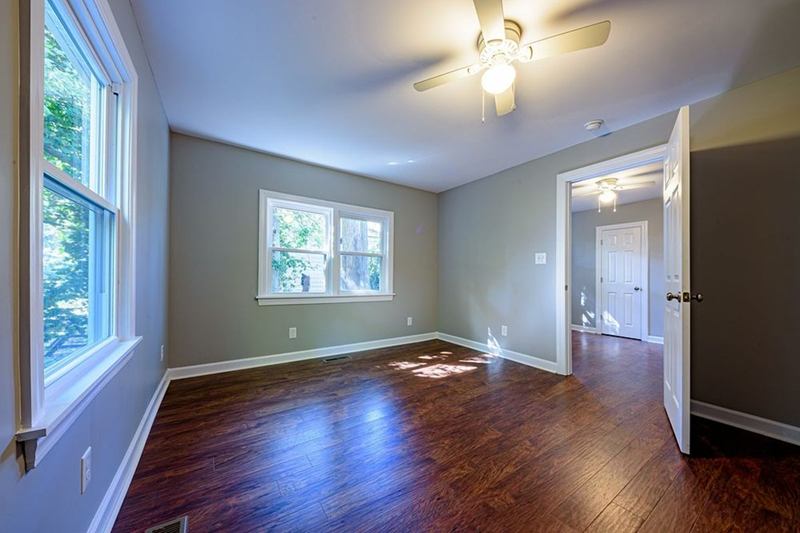
When you move out of a rented flat in Switzerland, the last appointment is the handover inspection with the property management. Together you walk through every room, and any defects are written into the apartment handover protocol. This document often decides whether you get your rent deposit back in full or receive a bill weeks later. Here are five points every tenant – especially those new to the Swiss system – should understand. This is general information, not legal advice; your lease and, if in doubt, a tenants' association are the right points of reference.
What happens at the handover inspection
The handover usually takes place on or shortly before the last day of the lease. The property manager checks walls, floors, windows, blinds, kitchen appliances, bathroom fittings and ancillary rooms such as the cellar. Cleanliness is checked as well: an oven with grease or limescale on the taps is noted just like a scratched floor.
The inspection is not just a formality. Under Art. 267a of the Code of Obligations, the landlord must inspect the property on return and notify the tenant immediately of defects for which the tenant is liable. If this does not happen, claims can be lost – except for defects that could not be detected during a usual inspection.
1. What the apartment handover protocol contains
A typical protocol lists each room and notes:
- The general condition (walls, ceilings, floors, doors, windows)
- Specific defects, such as holes, scratches, stains, broken fittings
- Whether the flat and appliances are clean
- Meter readings and the number of keys returned
- Who is considered responsible for each defect and, sometimes, an agreed cost share
Ask for a copy immediately after the inspection, signed by both parties. Take your own dated photos of every room before the handover – they are useful evidence if something is disputed later.
2. Normal wear and tear versus damage
This is the most important distinction. You return the flat in the condition that results from contractual use. Normal signs of living – slightly faded paint, light traffic marks on floors, small holes from hanging pictures in many cases – are part of the rent you have paid.
| Usually normal wear and tear | Usually damage beyond normal use |
|---|---|
| Paint slightly yellowed after years | Walls painted in strong colours without consent |
| Light wear on parquet in walkways | Deep scratches or water stains on parquet |
| Faded curtains or blinds from sunlight | Torn blinds or broken slats |
| Small holes from picture hooks | Many large holes or holes in tiles |
| Ageing silicone joints | Burns on worktops |
Even if damage is your responsibility, you usually only pay the remaining value. Tenants' and homeowners' associations have agreed a joint life-expectancy table for fittings and surfaces. If a carpet has reached the end of its expected life, for example, there is little or no residual value left to pay for.
3. Read before you sign – or don't sign
The tenants' association stresses that you should read the protocol carefully and that there is no obligation to sign it. Signing can be taken as agreeing that the listed defects are your responsibility.
- Go through each point with the property manager and ask questions.
- If you disagree, write your comment directly on the protocol, e.g. "Tenant does not accept liability – normal wear and tear".
- Do not sign cost acknowledgements under time pressure.
- If you have not signed, keep a written record of what was discussed.
4. Deadlines and hidden defects
Because the landlord must notify defects immediately, a claim that arrives months later for a defect that was clearly visible at the inspection may be questionable. The exception is hidden defects that a normal inspection could not reveal, for example a leak behind a cupboard.
If you receive a written notice of defects after the handover, compare it carefully with the protocol. Anything that was not recorded, or that you had noted disagreement with, deserves a closer look. The tenants' associations and cantonal conciliation authorities can advise if there is a dispute.
5. After the handover: deposit and final statement
Once the apartment has been handed over:
- Keep your copy of the protocol, your photos and the key receipt.
- Check the final statement against the protocol – deductions should correspond to recorded defects.
- Request the release of your rent deposit from the bank account held in your name. Our guide on getting your rent deposit back explains the process.
For your new apartment, the same logic applies in reverse: record existing defects in the entry protocol and report any you discover later in writing, as ch.ch recommends.
Common mistakes with the handover protocol
- Signing without reading: You may accept liability for defects that are normal wear and tear.
- No own photos: Without evidence, it is difficult to challenge a claim later.
- Accepting full replacement costs: For older items, the remaining value is usually what counts.
- Repairing badly yourself: Poorly patched holes can look worse than the original – see our guide on filling holes in walls when moving out.
- Underestimating cleaning: A dirty oven or blinds can lead to cleaning costs being deducted.
Frequently asked questions
Do I have to sign the apartment handover protocol in Switzerland?
According to the tenants' association, there is no obligation to sign. If you disagree with points in the protocol, note your disagreement in writing or ask for time to check before signing.
What counts as normal wear and tear in a Swiss rental?
Signs of ordinary use over time, such as slightly faded walls or light wear on floors in walkways. Damage beyond normal use, such as burns or deep scratches, can be charged – usually only at the item's remaining value.
Can the landlord charge me for defects after the handover?
The landlord must inspect the apartment and notify you of defects immediately. Later claims are generally limited to hidden defects that could not be found during a usual inspection.
What is the life-expectancy table for rented flats?
It is a table agreed by tenants' and homeowners' associations that lists how long fittings and surfaces are expected to last. It helps to calculate the remaining value when a tenant is liable for damage.

Thanks for your feedback! Feel free to share the guide.
Thanks! What was missing? Drop us a line – we will improve the guide. WhatsApp