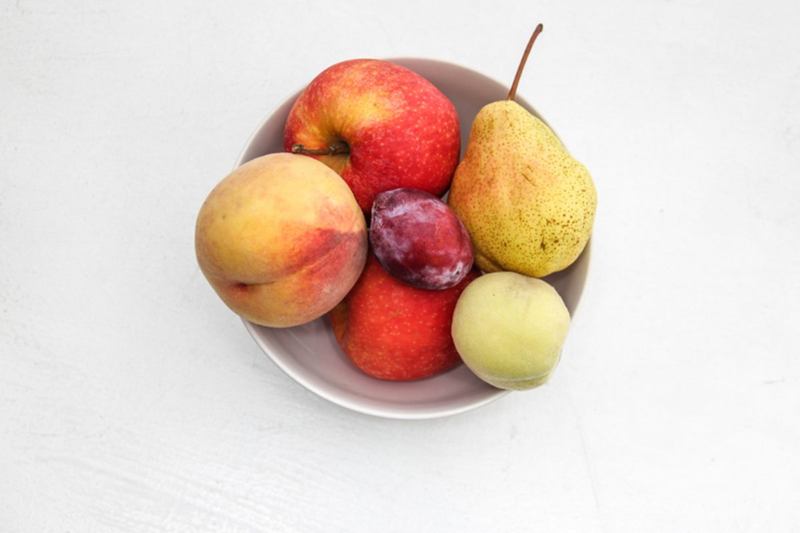
Peaches on the counter, a green-waste caddy under the sink, 30 degrees outside – and suddenly a cloud of tiny flies rises every time you open the cupboard. If you want to get rid of fruit flies, traps alone are not enough: you also need to find where they are breeding. The good news is that both steps are quick and need nothing more than what you already have at home.
In this guide we show you five traps and tricks that work immediately, and the cleaning habits that stop fruit flies from coming back.
Where fruit flies come from
Fruit flies – also called vinegar flies – are drawn to anything that ferments. According to the City of Zurich's pest prevention fact sheet, they develop in fruit, vegetables and fermenting liquids such as wine, vinegar, beer or juice, and they are especially common in autumn – though a hot summer kitchen suits them just as well. Eggs often arrive in the home on the fruit itself.
In warm weather they multiply quickly, and each female lays many eggs. That is why a handful of flies can turn into a swarm over a single weekend away. Typical breeding spots in Swiss flats are:
- the fruit bowl, especially bananas, stone fruit and tomatoes
- the green-waste caddy (Grüngut/compost) and the kitchen bin
- empty wine and beer bottles or PET bottles waiting for the recycling point
- the sink drain and the rubber seal around it
- forgotten potatoes or onions in a dark cupboard
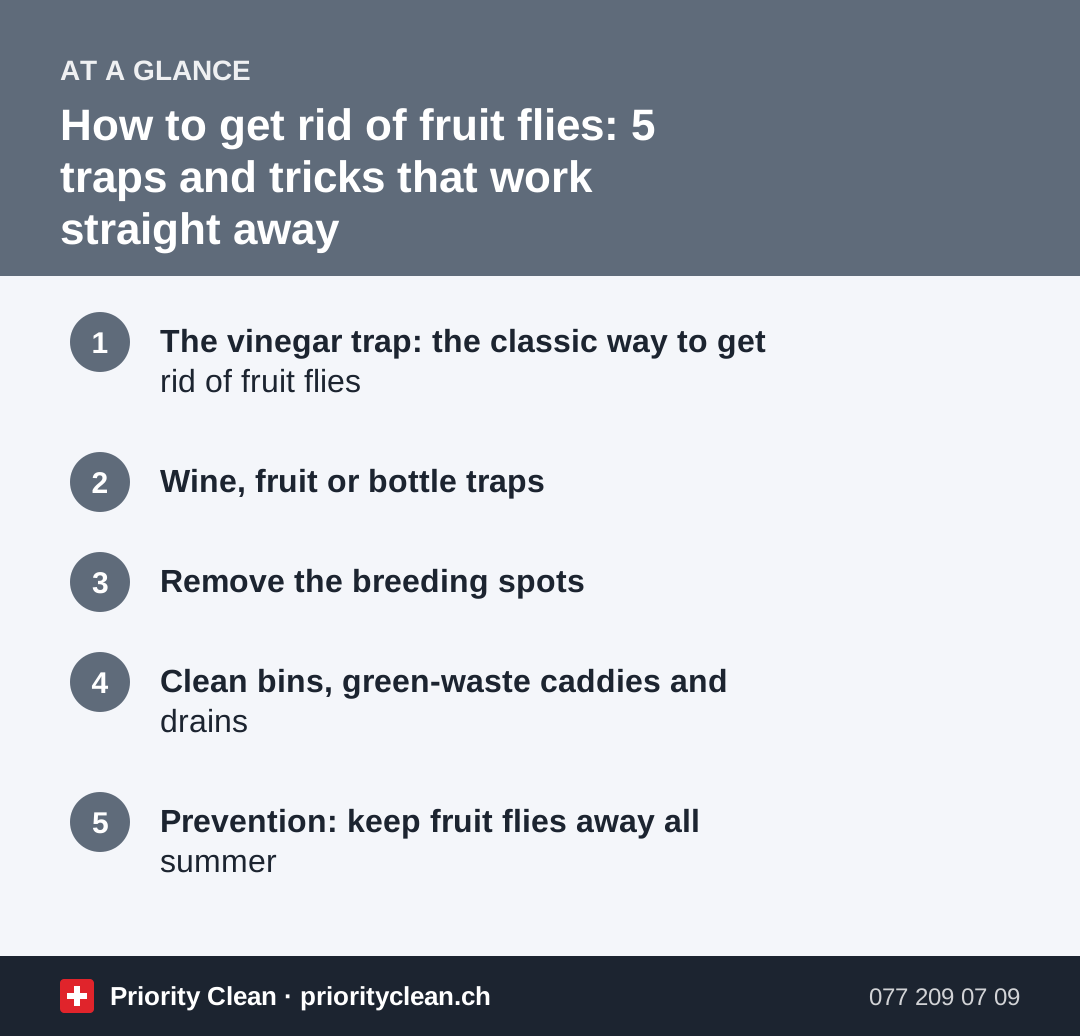
1. The vinegar trap: the classic way to get rid of fruit flies
This homemade trap is cheap, effective and safe around children and pets.
- Pour a few centimetres of apple cider vinegar (or wine vinegar) into a small glass or jar.
- Add one drop of washing-up liquid – it breaks the surface tension so the flies sink instead of landing.
- Optional: add a teaspoon of sugar or a little fruit juice to make it more attractive.
- Place the glass right next to the problem area and replace the liquid every two to three days.
If you cover the jar with cling film and poke a few small holes in it, flies find their way in but hardly any find their way out.
2. Wine, fruit or bottle traps
Fruit flies love fermentation, so a splash of leftover red wine in a bottle with a narrow neck works surprisingly well. A piece of very ripe banana in a jar with a paper funnel (a rolled-up piece of paper with a small opening at the bottom) is another option. Both are handy when you have no vinegar at home.
Check your traps daily. Once you catch almost nothing, the source has usually been removed – or you have put the trap in the wrong place.
3. Remove the breeding spots
This is the step that actually helps you get rid of fruit flies for good. Without it, you will be catching flies for weeks.
- Fruit: Store ripe fruit in the fridge or eat it. Throw away anything overripe or damaged, and wash the fruit bowl.
- Bottles and cans: Rinse empty wine, beer and juice bottles with water before storing them for recycling.
- Cupboards: Check potatoes, onions and root vegetables for soft or rotting pieces.
- Surfaces: Wipe up spilled juice, jam or wine immediately – even sticky rings on a shelf can attract flies.
4. Clean bins, green-waste caddies and drains
Waste containers are the most underestimated breeding ground. In most Swiss communes, food scraps go in the green-waste bin or compost, and the collection rhythm depends on where you live; Swiss Recycle gives an overview of what is collected where, and your commune's waste calendar has the local details.
- Empty the green-waste caddy every one to two days in hot weather.
- Wash the caddy and the lid with hot water and washing-up liquid, then let it dry completely.
- Line the bottom with newspaper or a compostable bag to soak up liquid – if your commune allows it.
- Clean the rim and underside of the kitchen bin lid, where splashes dry unnoticed.
The drain is a sneaky hiding spot too. Remove the sink strainer, scrub it and the rubber seal with a brush and hot soapy water, then pour a kettle of hot (not boiling, if you have plastic pipes) water down the drain. If the drain also smells, our guide on a smelly drain goes into more detail.
5. Prevention: keep fruit flies away all summer
Once you get rid of fruit flies, a few habits keep the kitchen clear:
- Put freshly bought fruit in the fridge if it's already ripe.
- Wash fruit when you bring it home to remove eggs from the skin.
- Take out bins and green waste more often during hot spells.
- Keep a fine insect screen on the kitchen window if flies keep coming in from the garden or the neighbour's compost.
- Clean the sink and drain strainer once a week.
Common mistakes when fighting fruit flies
- Only setting traps: Traps alone rarely get rid of fruit flies – the ones you catch are replaced by new ones hatching from the source.
- Stopping too early: Eggs and larvae need a few days to develop, so keep traps and cleaning going for at least a week.
- Traps too far away: A trap on the balcony table won't help if the problem is under the sink.
- Forgetting the caddy itself: Changing the bag isn't enough when the caddy has juice residue at the bottom.
Frequently asked questions
How do I get rid of fruit flies fast?
Set a vinegar trap with a drop of washing-up liquid right next to the fruit bowl or bin, and remove all overripe fruit at the same time. Clean the green-waste caddy and the sink drain the same day, and most flies are gone within a few days.
Why do I have fruit flies but no fruit?
Look at the drain, the green-waste caddy, empty bottles, forgotten potatoes or onions, and sticky spills in cupboards. Any fermenting residue can serve as a breeding spot.
Are fruit flies harmful?
Fruit flies don't bite and are generally considered a nuisance rather than a danger. However, they land on waste and then on food, so it's sensible to throw away fruit they have settled on and keep the kitchen clean.
Do fruit fly traps without vinegar work?
Yes. A little leftover wine, beer or a piece of very ripe fruit in a jar with a paper funnel works on the same principle. The key is the fermenting smell and a narrow entrance.
Thanks for your feedback! Feel free to share the guide.
Thanks! What was missing? Drop us a line – we will improve the guide. WhatsApp