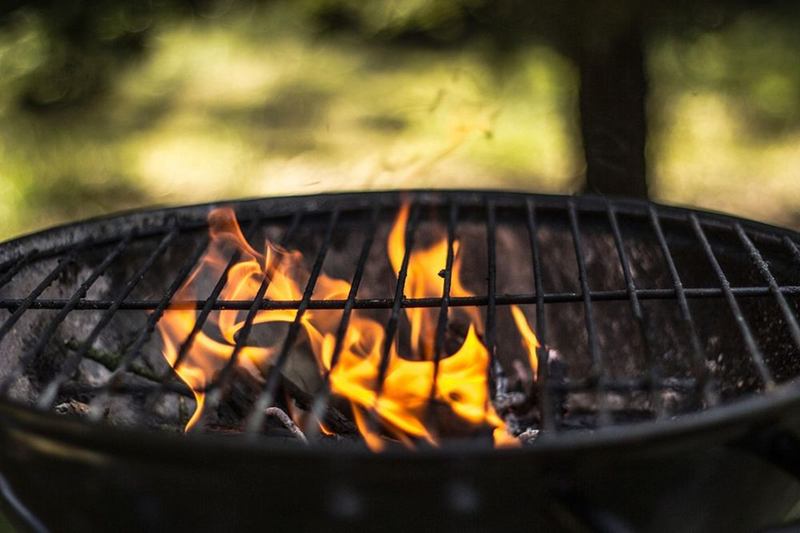
Swiss National Day on 1 August means sausages, cervelats and grilled vegetables on balconies and in gardens across the country. The morning after, the grates are covered in burnt-on fat and marinade. The good news: you can clean a BBQ grill with very little effort if you tackle it while the residue is still fresh and choose the right method for your type of grill.
Below you will find the five methods we find most reliable – from the classic "burn-off" to an overnight soak – plus the safety points that matter for gas bottles and charcoal ash.
Why burnt-on grease is so stubborn
When fat, sugar and marinade hit a hot grate, they caramelise and then carbonise. Each barbecue adds another layer, and after a few weekends it becomes a hard, sticky crust that holds old flavours and attracts insects on the balcony.
The type of grill makes a difference too. Cast-iron grates on charcoal grills tolerate heat and scrubbing but can rust. Enamelled grates on gas grills look robust, yet the coating chips if you attack it with steel wool. Electric grills often have non-stick plates that only like soft sponges. So before you start, check what your grate is made of and what the manufacturer's manual allows.
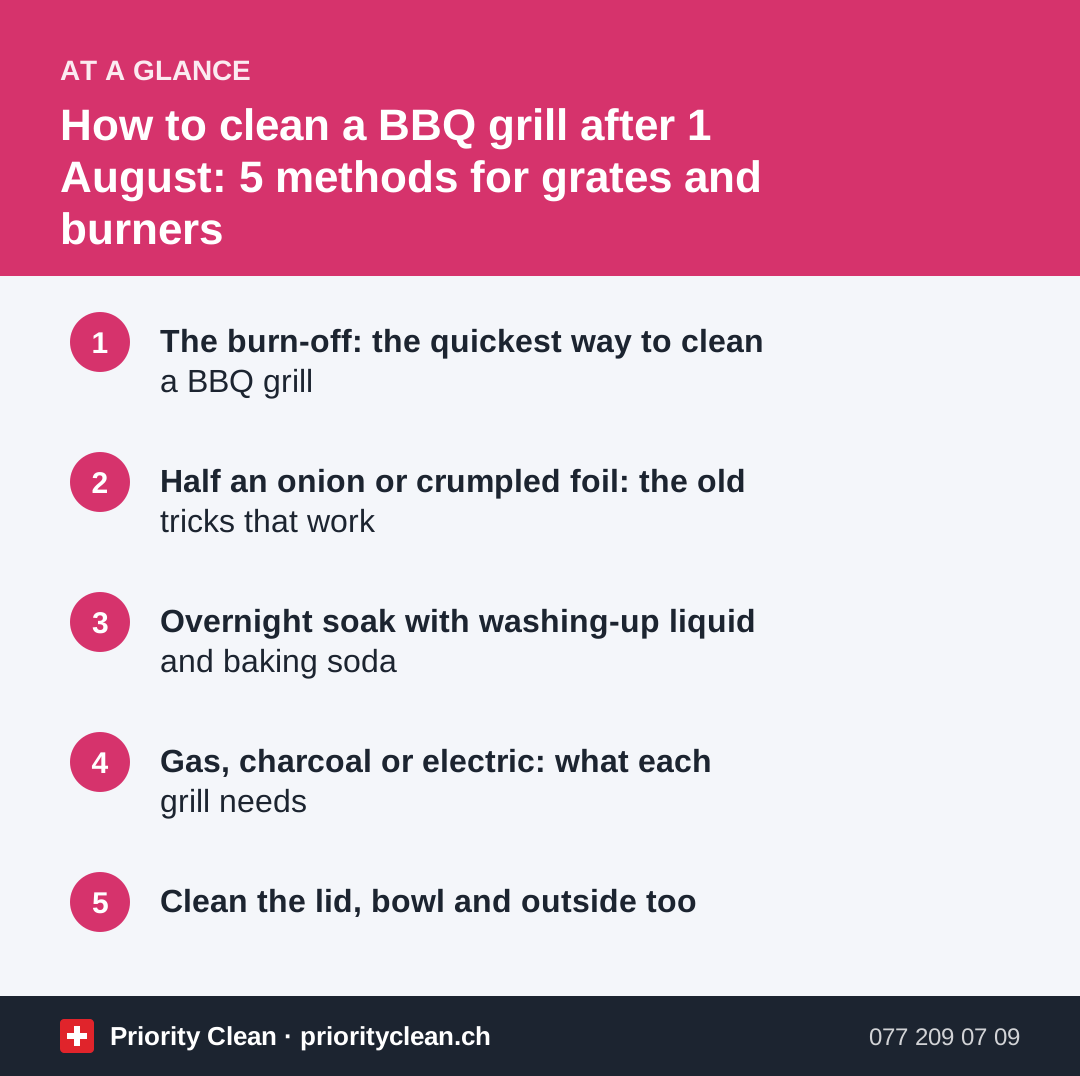
1. The burn-off: the quickest way to clean a BBQ grill
This is the simplest routine for the end of every grilling session, and it works on gas and charcoal grills.
- After cooking, leave the burners on high (or the charcoal glowing) with the lid closed for 10–15 minutes.
- The heat turns food residue into dry, brittle ash.
- Switch off, let the grate cool until it is warm but not hot.
- Brush the grate with a grill brush or a wooden scraper.
- Wipe with a damp cloth to remove loose particles.
If you use a wire brush, check the grate afterwards for loose bristles – they can stick to food the next time you grill. A wooden scraper or a ball of aluminium foil avoids this risk altogether.
2. Half an onion or crumpled foil: the old tricks that work
A popular method is to rub a warm grate with half an onion stuck on a grill fork. The moisture in the onion loosens light residue, and it needs no chemicals at all. It is ideal for a quick clean between courses, but it will not shift thick layers.
Crumpled aluminium foil is the budget alternative to a grill brush. Scrunch it into a firm ball, hold it with tongs and scrub the warm grate. Avoid it on non-stick electric plates, where it can scratch the coating.
3. Overnight soak with washing-up liquid and baking soda
For grates that have not been cleaned for weeks, soaking is the most effective home method.
- Remove the cooled grate and place it in a large plastic storage box, a laundry tub or the bathtub protected with an old towel.
- Cover it with hot water, add a good squeeze of washing-up liquid and a few tablespoons of baking soda (bicarbonate of soda).
- Leave it overnight.
- The next morning, scrub with a brush, rinse thoroughly and dry.
The well-known newspaper trick – wrapping a grate in wet newspaper overnight – works on the same principle: moisture softens the crust. A sealed bin bag with a little water does the same job with less mess. Enamelled and cast-iron grates should be dried immediately to avoid rust spots.
4. Gas, charcoal or electric: what each grill needs
Each type of grill has its own weak spots. Use this table as a quick overview.
| Grill type | Clean regularly | Watch out for |
|---|---|---|
| Gas grill | Grates, heat deflector bars, drip tray, grease cup | Blocked burner holes, damaged hose, grease fires in the tray |
| Charcoal grill | Grate, ash catcher, inside of the bowl and lid | Hot ash, rust on the grate, flaking deposits in the lid |
| Electric grill | Removable plates, grease tray | Never immerse the heating element; unplug before cleaning |
On a gas grill, empty the grease cup after every few uses – a full cup is a common cause of flare-ups. Brush burner tubes gently so the gas holes stay clear. Check the hose for cracks and connections for leaks according to the manufacturer's instructions; if you notice a gas smell, close the bottle valve and do not use the grill until it has been checked.
On a charcoal grill, remove the ash only once it is completely cold. The Swiss fire prevention experts at BFB recommend letting ash from charcoal grills cool for at least 48 hours before disposing of it. A metal bucket with a lid is the safest temporary container.
On an electric grill, always unplug it first. Removable plates can go into warm soapy water; the base unit only gets a wipe with a damp cloth.
5. Clean the lid, bowl and outside too
Many people only clean the grate and forget the rest. Grease on the inside of the lid can flake off onto food, and fat in the bowl is a fire risk.
- Lid inside: Black flakes are usually carbonised fat and smoke. Brush them off with a plastic scraper and wipe with warm soapy water.
- Bowl and drip tray: Scrape out residue, then wash with hot water and washing-up liquid. Lining the drip tray with foil makes the next clean faster.
- Outside and side tables: A microfibre cloth with mild soapy water is enough. On stainless steel, wipe along the grain.
- Grill cover: Only put it back on when the grill is cold and dry – trapped moisture encourages rust and mould.
If your balcony floor has grease spots after the party, our guide on how to clean a balcony explains the right approach for tiles, wood and concrete.
The most common mistakes when cleaning a grill
- Waiting until next season: Months-old fat is many times harder to remove and can turn rancid.
- Steel wool on enamel or non-stick plates: Scratches damage the coating for good.
- Hot ash in a plastic bin: A classic cause of fires on balconies and in garages – always wait until it is completely cold.
- Liquid fuels to relight the grill: The Swiss Council for Accident Prevention advises against using liquid fuels on grills.
- Mixing cleaners: Different products can react with each other. Use one at a time and rinse well in between.
Frequently asked questions
How do I clean BBQ grill grates without a wire brush?
Use a ball of crumpled aluminium foil held with tongs, a wooden scraper or half an onion on a fork while the grate is still warm. For heavy dirt, soak the grate overnight in hot water with washing-up liquid and baking soda.
Does cleaning a grill with an onion really work?
Yes, for light, fresh residue. The moisture from the onion loosens food particles on a warm grate. For thick, carbonised layers you need a burn-off, a brush or an overnight soak.
How often should I clean my BBQ grill?
Brush the grate after every use and empty the grease tray every few sessions. A thorough clean of bowl, lid and burners is sensible several times per season and before storing the grill for winter.
Can I put grill grates in the dishwasher?
Only if the manufacturer explicitly allows it. Cast iron can rust in the dishwasher, and large grates often don't fit. Hand washing after soaking is the safer option.
Thanks for your feedback! Feel free to share the guide.
Thanks! What was missing? Drop us a line – we will improve the guide. WhatsApp