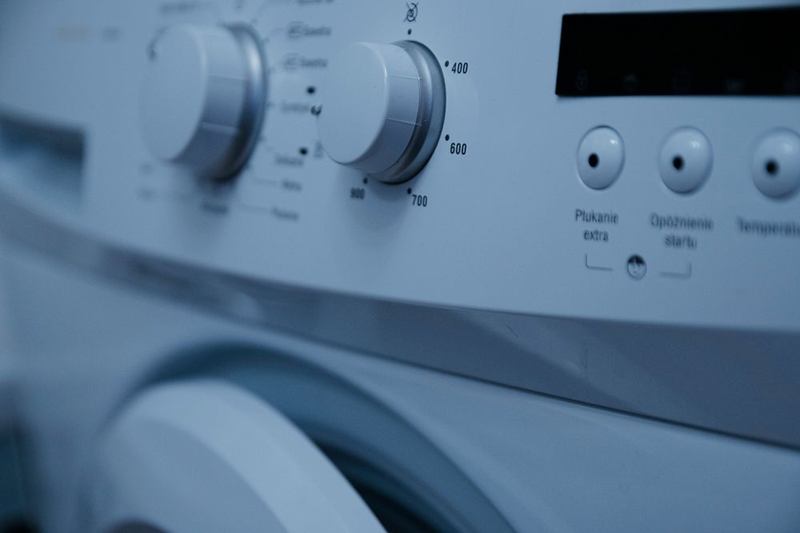
It used to be simple: if something needed to get clean, it went in hot. Today almost every machine has a 20 °C programme, and many detergents promise results at low temperatures. If you wash at 20 degrees, you really do save energy and protect colours and fibres – but it does not suit every load.
Five rules help you decide when cool is enough, when you are better off switching to 40 or 60 degrees, and how to keep your machine clean despite the low-temperature programmes.
Why washing at 20 degrees saves energy
A washing machine uses electricity for the motor, pump and electronics. But by far the largest share goes to the heating element that brings cold tap water up to the chosen temperature. The lower you set the temperature, the less heating is needed.
The Swiss federal energy programme EnergieSchweiz therefore recommends washing at low temperatures of 20 to 30 °C where possible, using eco programmes and full loads – without increasing the amount of detergent. Low temperatures have other benefits too: colours fade less, clothes shrink less often and stretchy fibres last longer.
That clothes get clean even in cool water is mainly thanks to modern detergents. Many contain enzymes and surfactants that already work at low temperatures. The packaging usually tells you whether your product is suitable.
1. Check the care label and how dirty it is
The care label shows the maximum permitted temperature. You can always go below it, never above. After that, the level of soiling decides:
- Lightly soiled: T-shirts, shirts, trousers, jumpers worn once, with no visible stains – ideal for 20 degrees.
- Normally soiled: clothes worn for several days, light stains – 20 to 30 °C with stains pre-treated, 40 °C if needed.
- Heavily soiled: workwear, very smelly sportswear, tea towels, cleaning cloths – low temperatures are often not enough here.
It is better to pre-treat individual stains than to wash the whole load hotter. Grease, make-up and collar marks can be pre-treated with a little liquid detergent or ox-gall soap.
2. Choose the right detergent
At low temperatures, the detergent matters more than at 60 °C, because heat is no longer helping.
- Liquid detergent dissolves well at 20 degrees and suits colours and darks.
- Powder sometimes dissolves less well in cold water and can leave white residue, especially with a full drum.
- Heavy-duty detergent with bleach only works at full strength at higher temperatures and is really meant for whites and hygiene laundry.
Dose according to water hardness, soiling and load size, not temperature. Our guide to laundry detergent dosage shows how.
3. These fabrics cope well with 20 degrees
For a large share of everyday clothing, the low temperature is perfectly adequate. The following overview is a guide only – the care label always has the final say.
| Fabric | Suitable for 20 °C? | Recommendation |
|---|---|---|
| T-shirts, shirts, blouses, trousers | Yes, if lightly soiled | Pre-treat stains |
| Jeans and dark clothes | Yes | Turn inside out, liquid detergent |
| Jumpers, synthetics, sportswear | Usually yes | If very smelly, 30–40 °C if allowed |
| Wool and silk | Yes, on the special programme | Detergent for delicates or wool |
| Towels, bed linen | Only now and then | Regularly at 60 °C |
| Underwear, socks | With reservations | At least 40 °C, 60 °C in case of illness |
| Tea towels, cleaning cloths | No | 60 °C or hotter if allowed |
4. When a wash at 20 degrees is not enough
Low temperatures remove dirt but do not kill all germs. For textiles in close contact with skin, moisture or food, a hotter wash is therefore worthwhile:
- Towels and flannels stay damp for a long time and otherwise start to smell.
- Bed linen absorbs sweat and skin flakes. How often and how hot is explained in our guide on how often to wash bed sheets.
- Underwear and socks usually tolerate 40 to 60 °C – check the label.
- Tea towels and cleaning cloths come into contact with food residue and dirt.
Temperature matters most when someone is ill. The Federal Office of Public Health describes norovirus as very infectious, spread via hands and contaminated objects, and infectious on surfaces for more than 12 days. So wash the bed linen, towels and clothes of an ill person separately and as hot as the care label allows, and wash your hands thoroughly after loading the machine. You will find further measures in our guide to cleaning after a stomach bug. This guide does not replace medical advice.
A high temperature may also be needed after travelling: if you suspect bed bugs, the Federal Office for the Environment advises washing clothes at 60 °C or freezing them for several days at −18 °C.
5. Run the machine hot regularly
If you wash almost exclusively at 20 to 30 °C with liquid detergent, you encourage build-up in the drum, tub and hoses. Detergent residue, skin oils and lint form a greasy film in which bacteria thrive. The result is a musty smell in the machine and your clothes.
So plan a 60 °C wash with powdered heavy-duty detergent about once a month, for example with towels or bed linen. Alternatively, run the empty machine on its hottest programme. After each wash, leave the door and detergent drawer open so everything can dry. More in our guides on how to clean a washing machine and why laundry smells musty.
The most common mistakes
- Everything at 20 °C: towels and tea towels end up smelling musty over time.
- More detergent at low temperatures: not necessary according to EnergieSchweiz – it just leaves more residue.
- Quick wash for normally soiled clothes: too little time and too little heat.
- Never a hot programme: the machine itself builds up deposits and starts to smell.
Frequently asked questions
Do clothes really get clean at 20 degrees?
Lightly to normally soiled everyday clothes usually come out clean with a suitable detergent and a long enough programme. Heavy soiling, odours or hygiene laundry need higher temperatures.
Is 20 or 30 degrees better?
Both save a lot of energy compared with 40 or 60 °C. 30 °C can be the safer choice for slightly dirtier clothes or when using powder; 20 °C is enough for items that have barely been worn.
Does a wash at 20 degrees kill bacteria?
Not reliably. Low temperatures mainly remove dirt. For towels, bed linen, underwear and the textiles of people who are ill, a 60 °C programme is recommended if the care label allows it.
How often should the machine run hot?
A 60 °C programme with powdered heavy-duty detergent about once a month is usually enough to prevent build-up and smells. If you regularly wash towels hot anyway, that job is already done.
Thanks for your feedback! Feel free to share the guide.
Thanks! What was missing? Drop us a line – we will improve the guide. WhatsApp