Hairspray, heat protectant, oil and serum do not just end up in your hair, but on the hot plates too. There they bake on, layer by layer, until the tool feels sticky, tugs at your hair and gives off a strange smell as it heats up. To clean hair straighteners you do not need a special product – just a few rules so that the coating and electronics are not damaged.
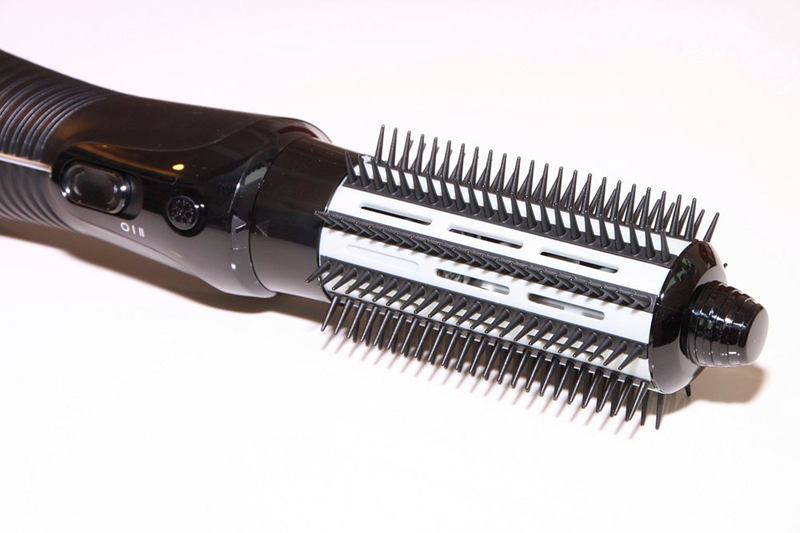
The five steps apply just as much to curling tongs, wavers and hot air brushes. First and foremost: only clean the tool when it is unplugged and has cooled down completely.
Why it pays to clean hair straighteners
Modern straighteners have plates made of ceramic, tourmaline or titanium, often with a smooth coating. Styling products contain polymers, silicones, oils and resins that are meant to shape and protect the hair. At the tool's high temperatures they do not evaporate completely, but leave a thin film that gets thicker and browner with every use.
You soon notice the effects:
- The straightener no longer glides smoothly, but snags and pulls individual hairs.
- Heat is distributed unevenly, so you have to go over the same section more often.
- Baked-on residue smells as it heats up and can transfer to light hair.
- Hair, dust and powder collect in the grooves along the edge and at the hinge.
A clean tool not only works better but is also gentler, because fewer passes are needed.
| Build-up | Typical sign | What helps |
|---|---|---|
| Light product film | Plates feel slightly sticky | Damp microfibre cloth |
| Baked-on residue | Brown, dull layer | A little isopropyl alcohol on the cloth |
| Hair and dust on the edge | Visible fluff in grooves and hinge | Soft toothbrush, dry |
| Marks on the housing | Fingerprints, make-up | Damp cloth with washing-up liquid |
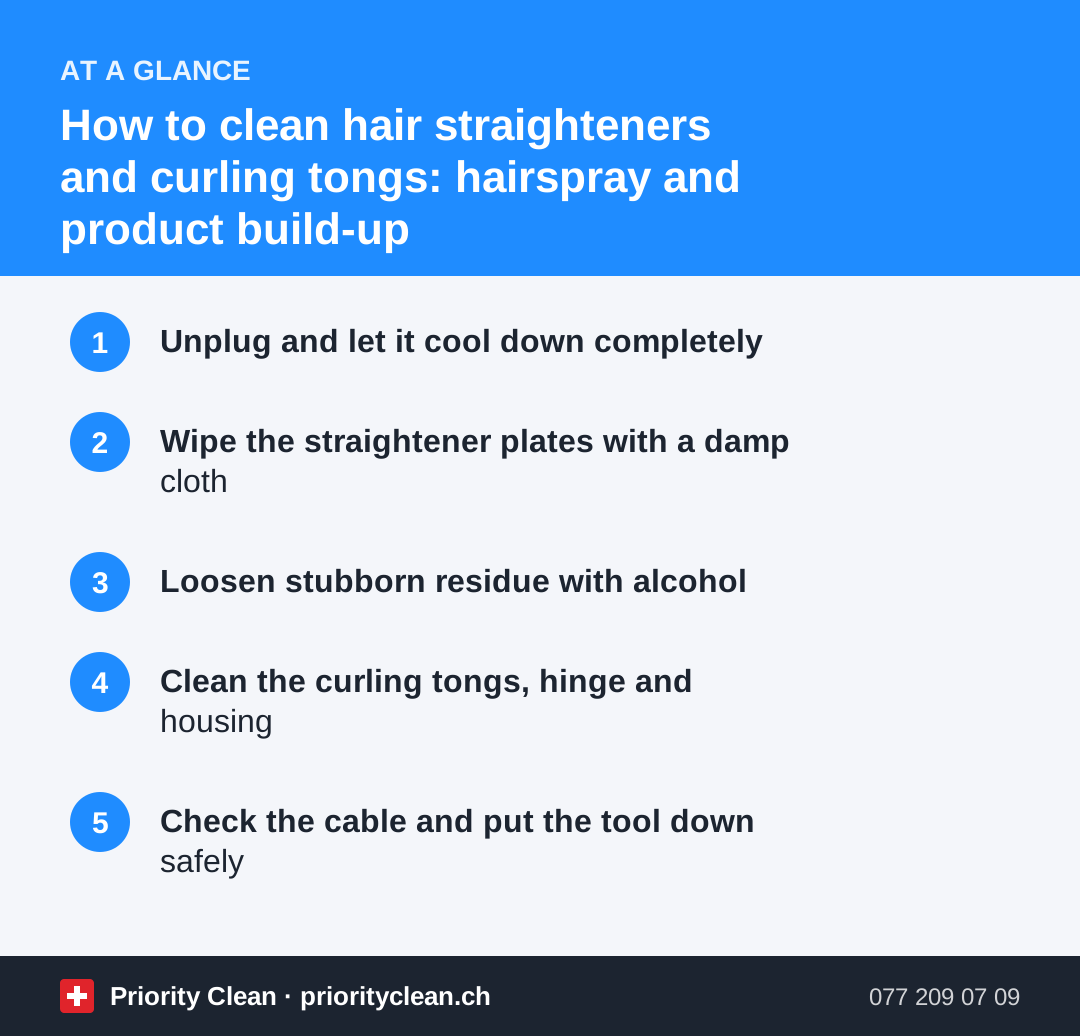
1. Unplug and let it cool down completely
This is the most important step. Never clean hair straighteners or curling tongs while they are plugged in or still warm. On hot plates, water turns to steam instantly and you can burn yourself. Alcohol is highly flammable and has no place on a warm tool.
Pull out the plug, put the tool on a heat-resistant surface and wait until the plates and housing feel cold – half an hour or longer depending on the model. Never hold the tool under running water or submerge it: moisture inside can damage the electronics and is a safety risk.
2. Wipe the straightener plates with a damp cloth
For regular care, a soft microfibre cloth is all you need. Dampen it with warm water and wring it out well – it should be damp, not dripping.
- Wipe the plates from the middle towards the edge, pressing a little if needed.
- For slightly sticky spots, add a drop of washing-up liquid to the cloth.
- Wipe again with a second cloth dampened only with water.
- Buff with a dry cloth and leave the tool open to dry.
3. Loosen stubborn residue with alcohol
If a brown layer has baked on, isopropyl alcohol from the chemist helps. It dissolves grease and resins and evaporates without leaving residue.
- Put a few drops on a cotton pad or soft cloth – never spray or pour it directly onto the tool.
- Rub the plates with light pressure; for heavy build-up, leave it briefly and repeat.
- Wipe again with a damp cloth and leave the tool open for at least a few minutes until the alcohol has completely evaporated.
- Only then plug it back in.
Avoid scouring cream, steel wool, knives or the rough side of a kitchen sponge. Ceramic and tourmaline coatings scratch, and products stick even more to scratched plates. Harsh solvents such as acetone-based nail polish remover can attack plastic parts and printed markings. If in doubt, follow the care instructions in the manual.
4. Clean the curling tongs, hinge and housing
For curling tongs, wrap the damp cloth around the barrel and slowly turn the tongs inside it – that way you reach the whole surface. Clean the clamp inside and out with the cloth and, for baked-on residue, with a little isopropyl alcohol as above.
Remove hair, dust and powder from the grooves, hinge and ventilation slots with a soft, dry toothbrush. Wipe the housing with a damp cloth and a drop of washing-up liquid, then dry it. Your hair dryer also needs regular care, especially its air intake: our guide on how to clean a hair dryer filter shows how. And while you are at it, do not forget your brushes – see our guide on how to clean a hairbrush.
5. Check the cable and put the tool down safely
When cleaning, you have the tool in your hands anyway, so check the cable at the same time. Kinks, cracks in the insulation, exposed wires, discoloured or melted spots and a loose swivel joint where the cable enters are all dangerous. Do not use a damaged tool any more – not even "just one last time".
For everyday use:
- Only put the hot tool on a heat-resistant mat or the stand supplied, never on towels, wood or plastic.
- Unplug it straight after use, rather than just switching it off.
- Only coil the cable loosely once it has cooled, and do not wrap it tightly around the tool.
- Do not use or put down the tool near a basin full of water.
Broken straighteners do not belong in the rubbish bag. The Federal Office for the Environment states that electrical appliances must be returned, and retailers take back appliances of the kind they sell free of charge, even without a new purchase.
The most common mistakes
- Cleaning while warm: risk of burns, and alcohol on hot plates can catch fire.
- Scrubbing and scraping: damaged coatings cannot be repaired.
- Holding the tool under water: moisture in the housing is a safety risk.
- Tightly wound cable: kinks where the cable enters the tool are a common cause of faults.
Frequently asked questions
How often should you clean hair straighteners?
A quick wipe of the cooled plates after every use stops build-up from baking on. A thorough clean with alcohol makes sense about once a month, depending on how much styling product you use.
Can you clean ceramic plates with alcohol?
Yes, sparingly and on a soft cloth. Isopropyl alcohol dissolves baked-on product residue without attacking the coating. What matters is that the tool is unplugged and cold, and that the alcohol has fully evaporated before the next use.
Why do my straighteners smell burnt?
Usually, residue from hairspray, oil or heat protectant is burning on the plates. After a thorough clean, the smell normally disappears. If you smell melting plastic or the cable gets hot, unplug the tool immediately and stop using it.
Where can I dispose of broken straighteners?
Not in the household rubbish. Take them back to a shop that sells this type of appliance or to a collection point in your municipality. Returning them to a retailer is free of charge, even without a new purchase.
Thanks for your feedback! Feel free to share the guide.
Thanks! What was missing? Drop us a line – we will improve the guide. WhatsApp