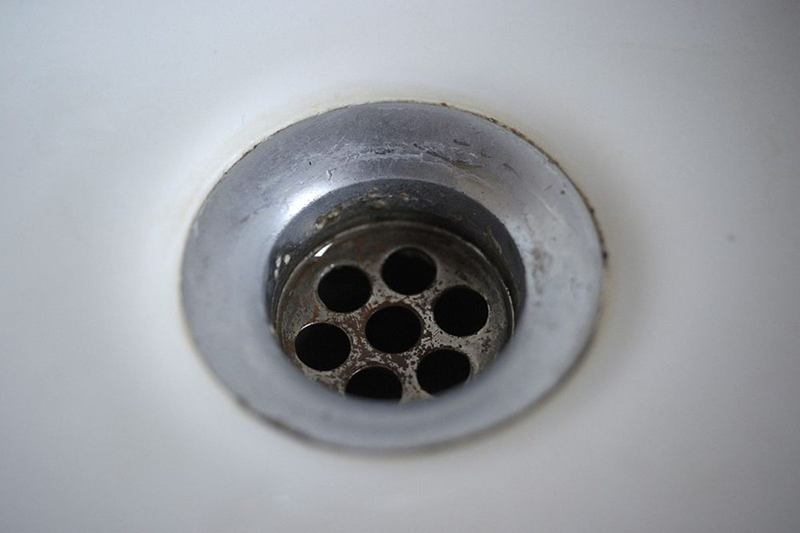
The shower water rises around your feet, the kitchen sink drains in slow motion or the washbasin gurgles and stops. A blocked drain is one of the most common household problems – and often one you can fix yourself in a few minutes. Before you reach for aggressive chemicals or phone a plumber, try a blocked drain home remedy that works mechanically and safely.
Here are five methods in the order we recommend, from the gentlest to the most hands-on, plus clear signs that it's time to call a professional.
What blocks drains in Swiss homes
Blockages rarely happen overnight. In the bathroom, hair combines with soap residue and limescale – and hard water makes these deposits firmer. In the kitchen, fat and oil from pans cool down in the pipe and trap coffee grounds and food particles.
The good news: many blockages sit close to the opening – in the plughole, the pop-up waste or the trap (the U-shaped bend under the sink, called Siphon in Switzerland). That's exactly where home remedies can reach.
1. Hot water and washing-up liquid for grease blockages
For kitchen sinks that drain slowly because of fat, heat is often enough.
- Remove standing water with a cup if possible.
- Squeeze a good amount of washing-up liquid into the drain.
- Slowly pour a kettle of hot water after it.
- Wait a few minutes and repeat if the water drains faster.
If your pipes are plastic, use very hot rather than boiling water, and don't pour it into a ceramic basin that's still cold – thermal shock can crack it.
2. The plunger: a simple blocked drain home remedy
A rubber plunger from the supermarket or DIY store is one of the most effective tools you can own.
- Leave a few centimetres of water in the sink or shower tray so the plunger can form a seal.
- Place the plunger over the plughole and press down firmly.
- Pull up sharply. Repeat several times.
- The pressure change often loosens the blockage and the water drains away.
3. Clean the trap under the sink
If the plunger doesn't help, the blockage is probably in the trap. This takes 15 minutes and is the most reliable home method for washbasins and kitchen sinks.
- Put a bucket and towel under the trap and wear rubber gloves.
- Unscrew the lower part or the connecting nuts by hand – they're usually plastic.
- Empty the water and debris into the bucket.
- Clean the trap with a bottle brush and hot soapy water.
- Check the seals, reassemble hand-tight and run water to test for leaks.
Don't use pliers on plastic nuts – they crack easily. If your trap is chrome or looks old and corroded, be gentle or leave it to a professional.
4. Baking soda and vinegar: what it can and can't do
The fizzing mix of baking soda and vinegar is a popular home remedy, but you should know its limits.
| Home remedy | What it does | Limit |
|---|---|---|
| Baking soda + vinegar | Fizzes, loosens light deposits and reduces odours | The two neutralise each other; rarely clears a real blockage |
| Hot water + washing-up liquid | Dissolves fresh grease | Doesn't shift hair |
| Plunger | Loosens blockages near the plughole | Needs water to seal |
| Cleaning the trap | Removes debris directly | Not possible for built-in shower drains |
| Drain snake / spiral | Pulls out hair and reaches further | Can scratch enamel if used carelessly |
To try it: pour about 3 tablespoons of baking soda into the drain, follow with a cup of vinegar, wait 15–30 minutes and rinse with hot water. It's good for regular maintenance and slightly smelly drains – for odours, see our guide on a smelly drain.
5. Drain spiral for deeper blockages
A manual drain spiral (auger) reaches further into the pipe than a plunger.
- Remove the drain cover or unscrew the trap to access the pipe.
- Feed the spiral in slowly while turning the handle.
- When you feel resistance, turn further to hook or break up the blockage.
- Pull it out slowly, clean the spiral and flush with hot water.
Work gently – forcing the spiral can damage older pipes or joints.
When to call a plumber
Stop and call a plumber – or inform your property management in a rented flat – if:
- several drains are blocked at the same time,
- water comes back up in the shower or floor drain when other appliances drain,
- you notice a sewage smell or leaks,
- the blockage keeps coming back after a few days.
As a tenant, you are generally responsible for minor cleaning and small repairs needed for normal maintenance, as Art. 259 of the Swiss Code of Obligations sets out. Blockages in the building's main pipes are usually a matter for the landlord – but your lease and the specific situation are decisive.
Common mistakes with blocked drains
- Mixing chemical cleaners: Dangerous reactions and damaged pipes.
- Boiling water in plastic pipes or cold ceramic basins: Risk of damage.
- Pouring fat down the sink: Wipe greasy pans with kitchen paper first.
- No drain strainer: A simple hair catcher in the shower prevents many problems.
- Waiting too long: A slow drain is easier to clear than a complete blockage.
Frequently asked questions
What is the best home remedy for a blocked drain?
Start with hot water and washing-up liquid for grease, then use a plunger. If that doesn't help, clean the trap under the sink – it's where many blockages sit. Baking soda and vinegar are better for maintenance than for real blockages.
Does baking soda and vinegar unblock a drain?
It can loosen light deposits and reduce smells, but the two neutralise each other quickly. For hair or thick grease blockages, a plunger, drain snake or cleaning the trap works better.
How do I unblock a shower drain full of hair?
Remove the drain cover and pull out the hair with a plastic drain snake or gloved fingers. Then flush with hot water. A hair catcher prevents the problem from coming back.
Who pays for a blocked drain in a rented flat in Switzerland?
Minor cleaning and small repairs are generally the tenant's responsibility, while problems in the building's pipes are usually the landlord's. Your lease and the cause of the blockage matter, so inform the property management if you're unsure.
Thanks for your feedback! Feel free to share the guide.
Thanks! What was missing? Drop us a line – we will improve the guide. WhatsApp