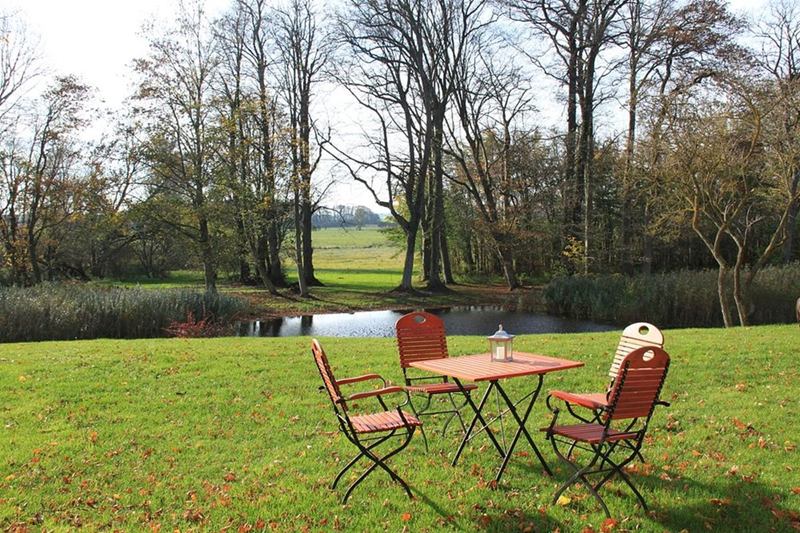
Late summer evenings on the terrace or balcony are among the best of the year in Switzerland – if the chairs aren't covered in green film, bird droppings and pollen. Garden furniture spends months outdoors in rain, sun and humidity, and each material reacts differently. To clean garden furniture without damaging it, the right method for wood, plastic, metal and rattan makes all the difference.
Here are five short guides, one per material plus cushions, and tips for storing everything over the winter.
Why garden furniture gets so dirty
Outdoor furniture collects dust, pollen, leaves and bird droppings, and shaded, damp spots develop a green film of algae. UV light bleaches colours and turns untreated wood silver-grey, while moisture causes rust on metal and mould in cushions.
Regular light cleaning during the season is much easier than one big scrubbing session in spring. Late summer is a good moment: the furniture is still in use, and a clean before winter storage prevents stains from setting.
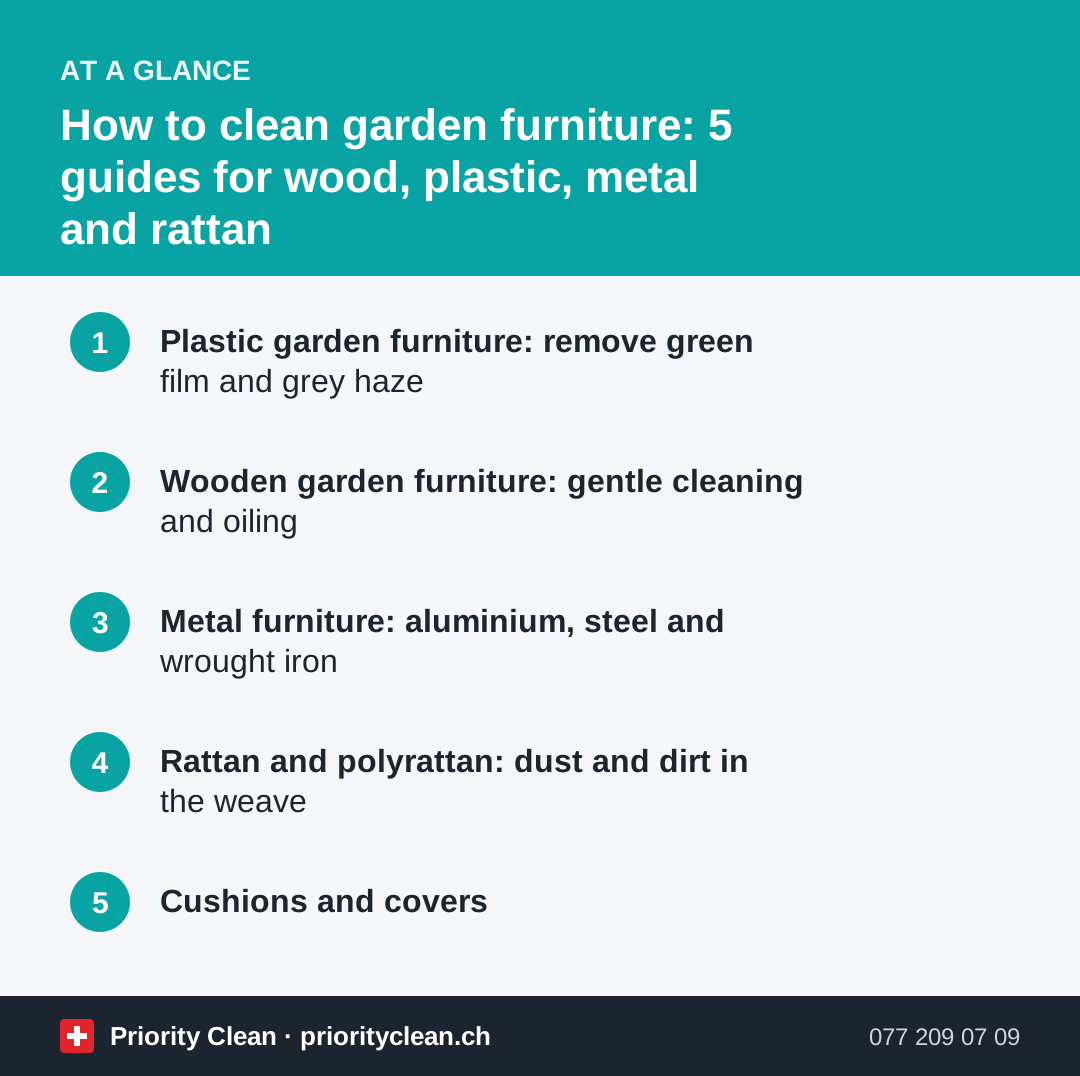
1. Plastic garden furniture: remove green film and grey haze
Plastic chairs and tables are robust but become porous and dull over the years, which lets dirt settle in.
- Brush off loose dirt and leaves.
- Wash with lukewarm water and a little soft soap or washing-up liquid, using a soft brush or sponge.
- For green algae film, let the soapy solution work for 10–15 minutes before scrubbing.
- Rinse with clear water and let the furniture dry in the sun.
A paste of baking soda and water helps with grey stains on white plastic. Avoid scouring powder and hard brushes, which roughen the surface so it gets dirty faster next time.
2. Wooden garden furniture: gentle cleaning and oiling
Wood – whether teak, acacia, larch or pine – needs the gentlest treatment.
- Brush dry along the grain.
- Clean with lukewarm water, a little soft soap and a soft brush, always along the grain.
- Rinse lightly and let the wood dry completely, ideally for a day or two.
- If you want to preserve the warm colour, apply a suitable wood oil after cleaning, following the product instructions.
Silvery-grey wood isn't damaged – it's a natural patina. If you prefer the original colour, wood de-greyers from the DIY store can help; test them on a hidden area first.
3. Metal furniture: aluminium, steel and wrought iron
Metal furniture is easy to clean, but rust is its weak spot.
- Powder-coated aluminium: Warm soapy water and a soft sponge, then dry with a cloth. No abrasives – scratches damage the coating.
- Steel and wrought iron: Wash, dry thoroughly and check for rust spots. Remove light surface rust with a fine sanding pad or wire brush, then touch up with suitable metal paint.
- Stainless steel: Wipe along the grain and dry to avoid water spots.
For rust stains that have transferred onto stone tiles, see our guide on removing rust with home remedies.
4. Rattan and polyrattan: dust and dirt in the weave
Natural rattan and synthetic polyrattan look similar, but they need different care.
| Material | Cleaning method | Avoid |
|---|---|---|
| Polyrattan (synthetic) | Vacuum or brush, then soapy water and a soft brush, rinse lightly | Hard brushes, solvents |
| Natural rattan, wicker | Vacuum, wipe with a barely damp cloth, dry quickly | Soaking, high-pressure jets, long rain exposure |
| Plastic | Soapy water, baking soda paste for stains | Scouring powder |
| Wood | Soft soap, soft brush along the grain | Pressure washer, too much water |
| Metal | Soapy water, dry, treat rust | Abrasives on coatings |
Use a soft paintbrush or toothbrush to get dust out of the weave. Natural rattan belongs under a roof or indoors when it rains.
5. Cushions and covers
Cushions spend the whole season absorbing sun cream, sweat, pollen and moisture.
- Check the care label: many covers can be removed and machine washed.
- Vacuum non-removable cushions and treat stains with mild soapy water.
- Let everything dry completely in the sun and air – damp foam develops mould.
- Bring cushions inside overnight and when it rains.
A word on pressure washers
Pressure washers are tempting, but they can splinter wood, blow apart rattan weave and push water into joints. On robust plastic or metal furniture, use a low setting and keep a good distance. In apartment buildings, check your house rules and consider the neighbours below. More tips on this are in our guide on how to clean a balcony.
Whatever product you use, don't mix cleaners, keep them in their original packaging and away from children, as Tox Info Suisse advises.
Common mistakes when cleaning garden furniture
- High pressure on wood and rattan: Roughens fibres and damages joints.
- Airtight plastic covers: Trap moisture and encourage mould.
- Storing damp: Mould in cushions and rust on metal.
- Oily rags in the bin: Fire risk.
- Harsh cleaners on coatings: Dull, sticky or scratched surfaces.
Frequently asked questions
How do I clean plastic garden furniture that has turned green?
Brush off loose dirt, then wash with lukewarm water and soft soap or washing-up liquid. Let the solution work on the green film for 10–15 minutes, scrub with a soft brush and rinse. Baking soda paste helps with remaining grey stains.
Can I use vinegar to clean garden furniture?
Diluted vinegar can help with limescale spots on plastic or glass tabletops, but it can damage some coatings and natural stone. Mild soapy water is safer for most garden furniture.
How do I clean grey teak furniture?
Brush and wash it with soft soap and a soft brush along the grain, then let it dry. If you want the original colour back, use a wood de-greyer from the DIY store after a patch test, and then oil the wood.
How should I store garden furniture in winter?
Clean and dry it thoroughly, then store it in a dry, ventilated place like a cellar or garage. If it stays outside, use breathable covers and raise the feet so they don't stand in water.
Thanks for your feedback! Feel free to share the guide.
Thanks! What was missing? Drop us a line – we will improve the guide. WhatsApp