Swiss landlords, neighbours and even the lease sometimes remind you: "Please air properly!" For many expats, the Swiss obsession with airing – Stosslüften in German, aérer in French – takes some getting used to. Opening all the windows in freezing weather sounds wasteful. But knowing how to ventilate in winter is one of the most effective ways to keep indoor air healthy, prevent damp and mould, and still keep heating costs under control.
Here are five rules that make it easy.
Why you need to ventilate in winter
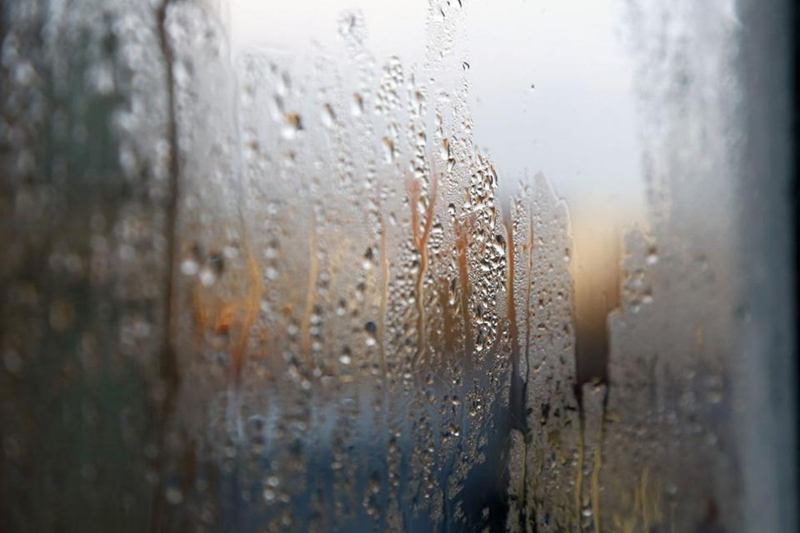
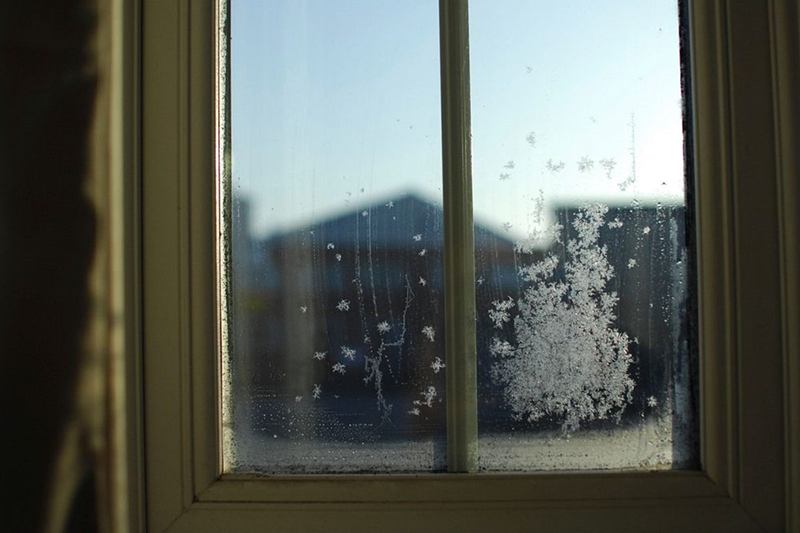
People produce moisture all day: by breathing, showering, cooking and drying laundry. In winter, windows stay closed, and this moisture accumulates. When it meets cold surfaces – window panes, exterior walls, corners behind furniture – it condenses. That's the start of damp patches and mould.
The Federal Office of Public Health describes correct airing and heating as the basis for good indoor air and protection against damp: open windows fully, cross-ventilate where possible, and air for at least 5 minutes in the heating season. Cold outside air holds little moisture, so even a short exchange lowers the humidity indoors noticeably once it warms up.
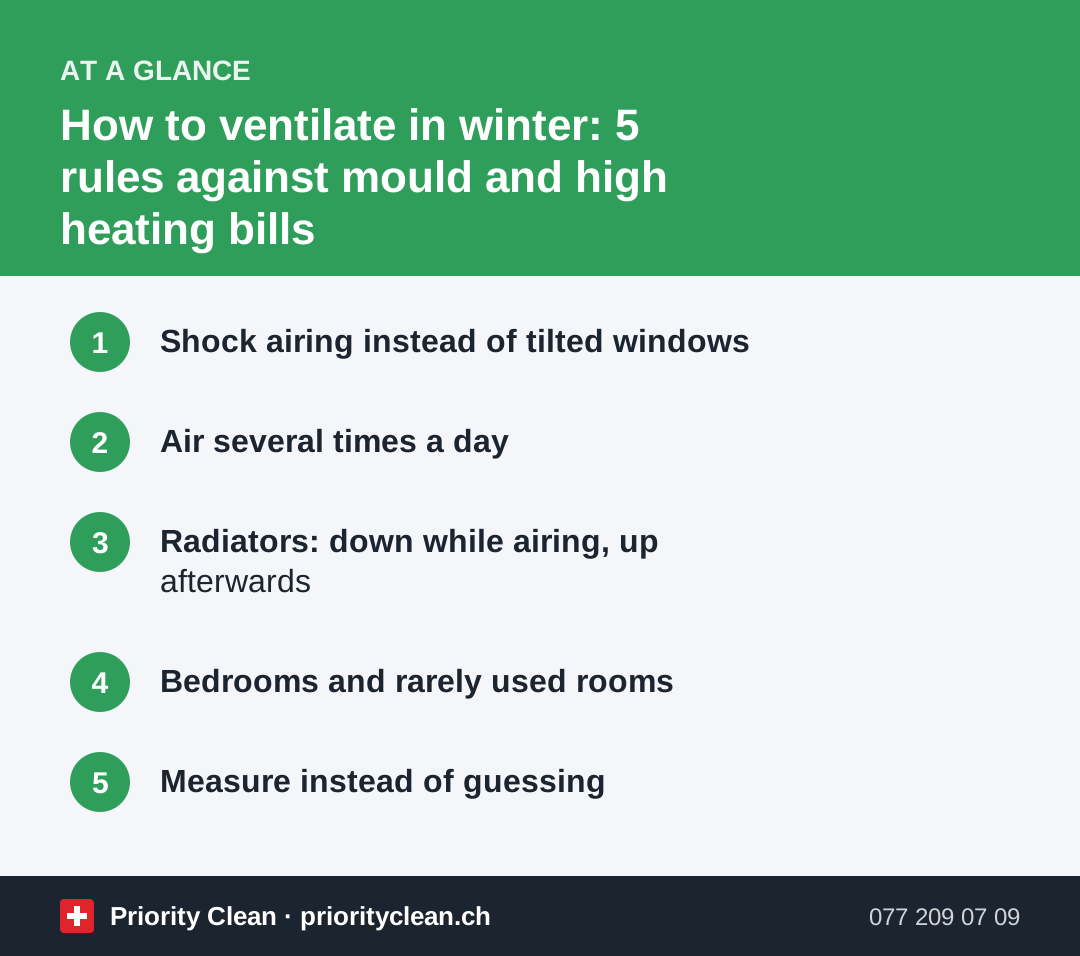
1. Shock airing instead of tilted windows
This is the most important rule.
- Shock airing (Stosslüften): Open windows fully for a few minutes. The air is exchanged quickly while walls and furniture stay warm.
- Cross ventilation (Querlüften): Open windows on opposite sides of the flat at the same time – the fastest way to exchange air.
- Tilted windows: Exchange little air but cool down the window reveals and walls for hours. That wastes heating energy and can even promote condensation around the window.
| Method | Air exchange | Heat loss | Recommended in winter? |
|---|---|---|---|
| Shock airing, 5–10 min | Fast | Low | Yes |
| Cross ventilation, a few min | Very fast | Low | Yes |
| Tilted window for hours | Slow | High | No |
2. Air several times a day
EnergieSchweiz recommends airing three times a day for 5–10 minutes. The homeowners' association HEV gives similar advice in its mould prevention tips, with a relative humidity of around 30–50 % in the heating season.
Good moments to air:
- In the morning after getting up – the bedroom has collected moisture all night.
- After showering or bathing – with the bathroom door closed so the moisture doesn't spread.
- After cooking – in addition to using the extractor hood.
- In the evening before going to bed.
On very cold, windy days, a shorter airing time is enough; on mild, still days, a little longer.
3. Radiators: down while airing, up afterwards
- Turn the thermostatic valve down before opening the windows, so the radiator doesn't heat against the cold air.
- Close the windows again after airing and turn the valve back to your usual setting.
- Keep radiators free: no furniture right in front, no curtains covering them, no laundry permanently draped over them.
- Dust radiators before the heating season – our guide on cleaning radiators shows how.
If the air feels very dry, EnergieSchweiz suggests first lowering the room temperature slightly rather than immediately using a humidifier – warmer air feels drier.
4. Bedrooms and rarely used rooms
Bedrooms are where damp problems often start.
- Not too cold: Keep bedrooms cooler than living areas, but avoid letting them cool right down while humid air flows in from other rooms.
- Doors closed: Keep the doors of cooler rooms closed so warm, humid air from the rest of the flat doesn't condense there.
- Air in the morning: Open the window fully after getting up, pull back the duvet and let the bed air.
- Furniture gap: Leave a few centimetres between wardrobes and exterior walls so air can circulate.
- No laundry drying: Dry laundry in the drying room or a well-aired room, not the bedroom.
Mould behind furniture is a typical winter problem – more in our guide on mould behind furniture.
5. Measure instead of guessing
A simple digital hygrometer is inexpensive and shows you what's going on.
- Place it in the bedroom or another critical room, away from windows and radiators.
- Check the values in the morning and after airing.
- If the humidity regularly stays high, air more often and look for moisture sources: drying laundry, many plants, an aquarium.
- If values are fine but damp patches still appear, there may be a building issue – inform your landlord in writing.
Common airing mistakes in winter
- Tilted windows all day: High heat loss, cold walls, little air exchange.
- Not airing when it's cold: Moisture builds up and condenses.
- Airing with the heating on full: Wastes energy.
- Heating only some rooms and leaving doors open: Humid air condenses in the cold rooms.
- Furniture against exterior walls: Creates cold, damp corners.
If your windows are wet every morning, read our guide on condensation on windows.
Frequently asked questions
How often should you ventilate in winter?
Swiss advice generally recommends airing three times a day for 5–10 minutes with the windows fully open, plus after showering and cooking.
Is it better to leave a window tilted or open it fully?
Open it fully for a few minutes. Tilted windows exchange little air, cool down the walls around the window and waste heating energy.
Should I turn off the heating while airing?
Turn the radiator valves down while the windows are open and back up afterwards. There's no need to switch the heating system off.
What humidity is ideal in a flat in winter?
Many advice sheets recommend a relative humidity of around 30–50 % in the heating season. A hygrometer shows you whether you're within that range.
Thanks for your feedback! Feel free to share the guide.
Thanks! What was missing? Drop us a line – we will improve the guide. WhatsApp