The first cold evening of October, you turn up the heating – and a faint smell of burnt dust fills the room. Heating units that have been off all summer collect a surprising amount of dust, especially between the fins and panels where you cannot see it. Knowing how to clean radiators properly before the heating season keeps the air fresher and your home cleaner all winter.
Here are five methods, from quick weekly dusting to a thorough clean of panel models without removing them.
Why dusty radiators matter
Heating units work by warming the air, which rises and circulates through the room. That circulation also carries dust: the dust that has settled on and inside the unit is lifted into the air when it heats up. Many people notice a slightly burnt smell when the heating is first turned on, and dark streaks can appear on the wall above them over time.
In winter, indoor air is also often perceived as drier. EnergieSchweiz notes that warm air is drier and suggests lowering the room temperature first if the air feels too dry. Clean heaters will not change the humidity, but less swirling dust can make the air feel fresher.
Which type do you have?
| Type | Where dust collects | Best tool |
|---|---|---|
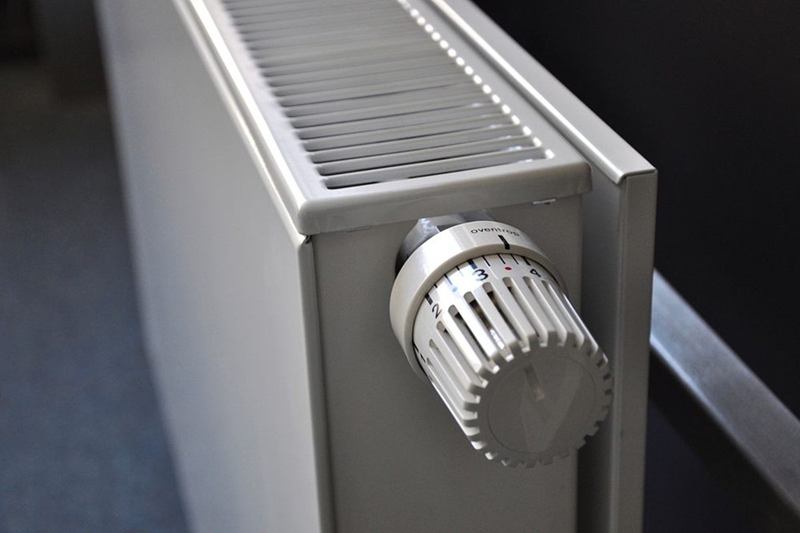
| Panel radiator (flat, with cover grille) | Between the panels and fins inside | Long slim brush, hairdryer trick |
| Column / cast-iron radiator | Between the columns | Slim brush, damp cloth |
| Convector (in floor or under windows) | Fins and floor channel | Vacuum with narrow nozzle |
| Heated towel rail (bathroom) | Rails and wall behind | Damp microfibre cloth |
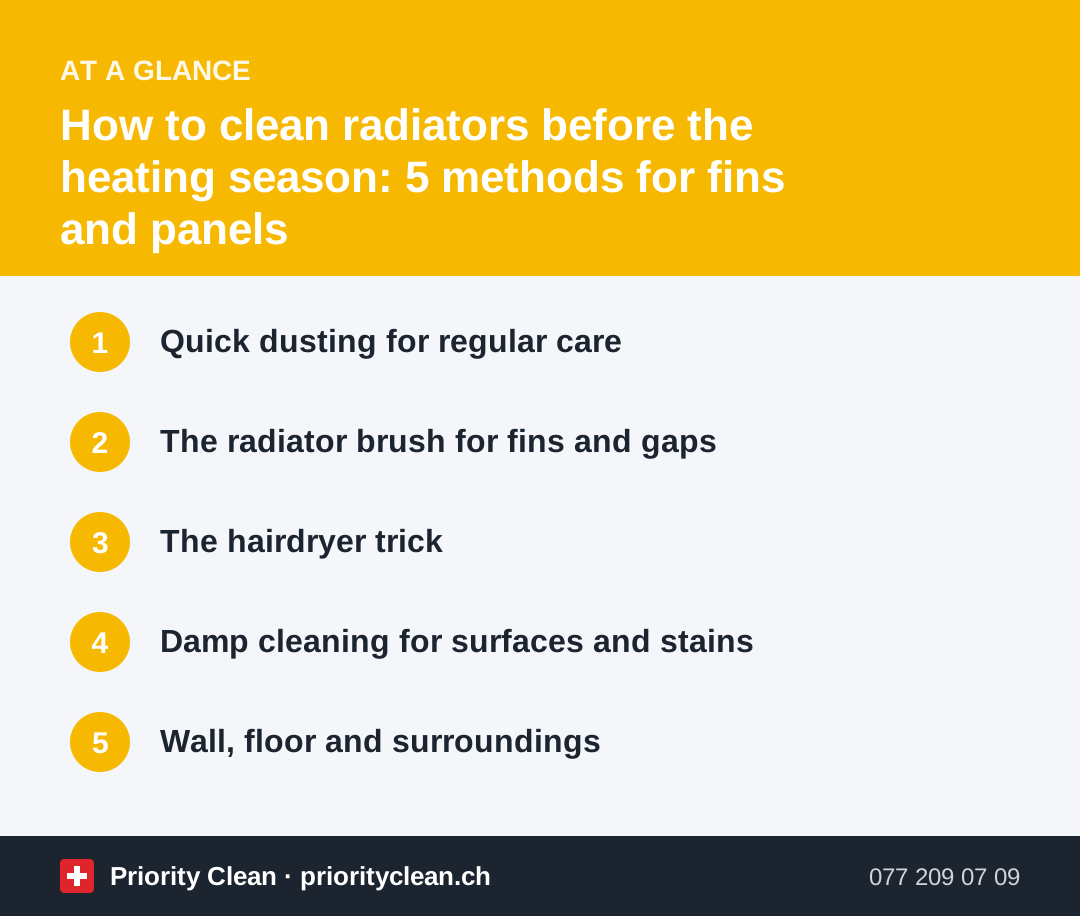
1. Quick dusting for regular care
During the heating season, a quick weekly dusting prevents build-up.
- Make sure it is cold or only lukewarm.
- Wipe the top cover grille and front with a damp microfibre cloth.
- Run a vacuum with the brush attachment along the top and bottom edges.
- Wipe the valves and thermostat head gently with a barely damp cloth.
2. The radiator brush for fins and gaps
A long, narrow brush from the supermarket or DIY store reaches deep between panels and fins.
- Place an old towel on the floor below.
- Remove the top cover grille if it lifts off easily – many panel models have a clip-on cover.
- Push the brush down between the panels and pull it up slowly, turning it slightly.
- Work from one end of the radiator to the other.
- Vacuum up the dust that falls onto the towel or floor.
Brushes with soft, flexible bristles are best – hard brushes can scratch paint.
3. The hairdryer trick
This method is surprisingly effective for panel radiators with very narrow gaps.
- Lay a damp towel on the floor directly underneath the radiator.
- Set the hairdryer to cold or low heat.
- Blow from the top down between the panels.
- The dust is blown out at the bottom and sticks to the damp towel.
- Shake out the towel outdoors and wash it.
4. Damp cleaning for surfaces and stains
Once the dust is gone, clean the surfaces.
- Use lukewarm water with a little washing-up liquid and a microfibre cloth.
- Wring the cloth out well so no water drips into valves or electrical parts.
- For yellowed or sticky marks, a mild all-purpose cleaner is enough – test on a hidden area.
- Avoid abrasive sponges, scouring powder and solvents, which damage the paint.
- Dry with a second cloth.
For cast-iron column radiators, a bottle brush wrapped in a damp cloth reaches between the columns.
5. Wall, floor and surroundings
Radiators are not only dusty on the inside – the area around them matters too.
- Wall behind the radiator: Dust and warm air leave grey streaks. Wipe with a slightly damp cloth, or use a long brush if the gap is narrow. On sensitive wall paint, work very gently.
- Floor under the radiator: Vacuum thoroughly, including the skirting board.
- Window sill above: Dust rises onto it – wipe it after the radiator.
- Curtains: Long curtains hanging over radiators collect dust and block warm air – shorten or tie them back.
- Furniture: Keep sofas and shelves away from the front of radiators so the warm air can circulate.
Radiators and good indoor air in winter
Clean radiators are part of a healthy indoor climate, but airing and heating habits matter just as much. The Federal Office of Public Health recommends opening windows fully and cross-ventilating instead of leaving them tilted. Turn the thermostat down while airing and back up afterwards.
For a full list of what to tackle before winter, see our autumn cleaning checklist.
Common mistakes when cleaning radiators
- Cleaning while the heating is on: Risk of burns and the damp cloth leaves streaks.
- Wiping first, then brushing: Dust turns into sticky grey smears.
- Using a hot hairdryer setting: Unnecessary and can blow warm dust around the room.
- Forgetting the inside: The front looks clean, but most dust is between the panels.
- Covering radiators with laundry: It adds moisture to the room and blocks heat circulation.
Frequently asked questions
How do you clean radiators without removing them?
Remove the top cover grille if possible, then use a long radiator brush between the panels and a hairdryer on the cold setting to blow the remaining dust onto a damp towel below. Finish by wiping the surfaces.
Why does my radiator smell burnt when I turn on the heating?
Usually because dust has settled on and inside the radiator over the summer. When it warms up, the dust gives off a slight burnt smell. Cleaning the radiator before the heating season reduces this.
How often should radiators be cleaned?
A quick dusting every week or two during the heating season, plus a thorough clean inside the panels before the heating goes on in autumn, is sufficient for most homes.
Can I use water to clean radiators?
Yes, on the painted surfaces of water-filled radiators, with a well-wrung cloth. Avoid dripping water into valves and never use water on electric radiators without switching them off and unplugging them first.
Thanks for your feedback! Feel free to share the guide.
Thanks! What was missing? Drop us a line – we will improve the guide. WhatsApp