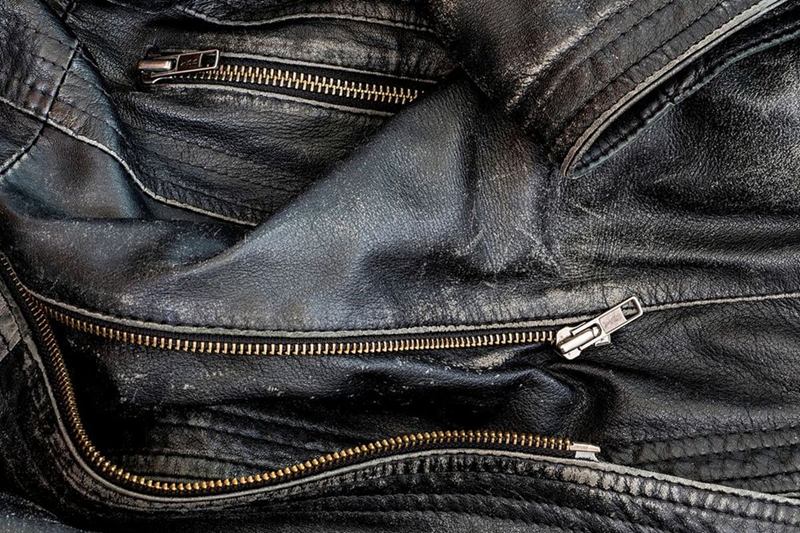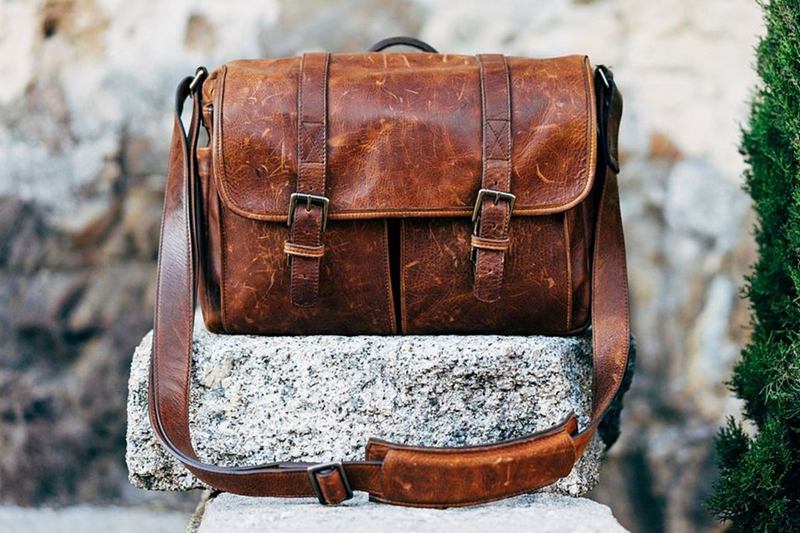
Sofa, handbag, belt or boots: leather is part of everyday life and even improves with age – as long as it is treated properly. Before any leather cleaning, you need to know what kind of leather you are dealing with: what suits smooth cowhide can ruin suede, and patent leather needs something different again.
In February, after weeks of rain, road salt and dry heating air, many leather items are due for a refresh. These five basic rules apply to every type of leather; for sofas, shoes and suede there are also dedicated guides.
Why leather cleaning calls for care
Leather is tanned animal hide made of a dense network of fibres. It absorbs skin oils, sweat and dust, stores moisture and releases it slowly. Too much water washes the fats out of the fibres: tide marks appear and the leather stiffens as it dries. Heat and dry air make it brittle, and in creases dust acts like very fine sandpaper.
How delicate an item is depends mostly on its surface:
| Type of leather | How to recognise it | Cleaning |
|---|---|---|
| Finished (pigmented) smooth leather | even colour, slight sheen, the drop beads | damp, with mild soap |
| Aniline and semi-aniline leather | visible pores, very soft, the drop soaks in and darkens | barely damp, special products |
| Suede, nubuck, velour | velvety, rough surface | brush dry, no soapy water |
| Patent leather | mirror-smooth, high-gloss coating | wipe damp, buff dry |
Faux leather often looks similar but needs different products – see how to clean faux leather.
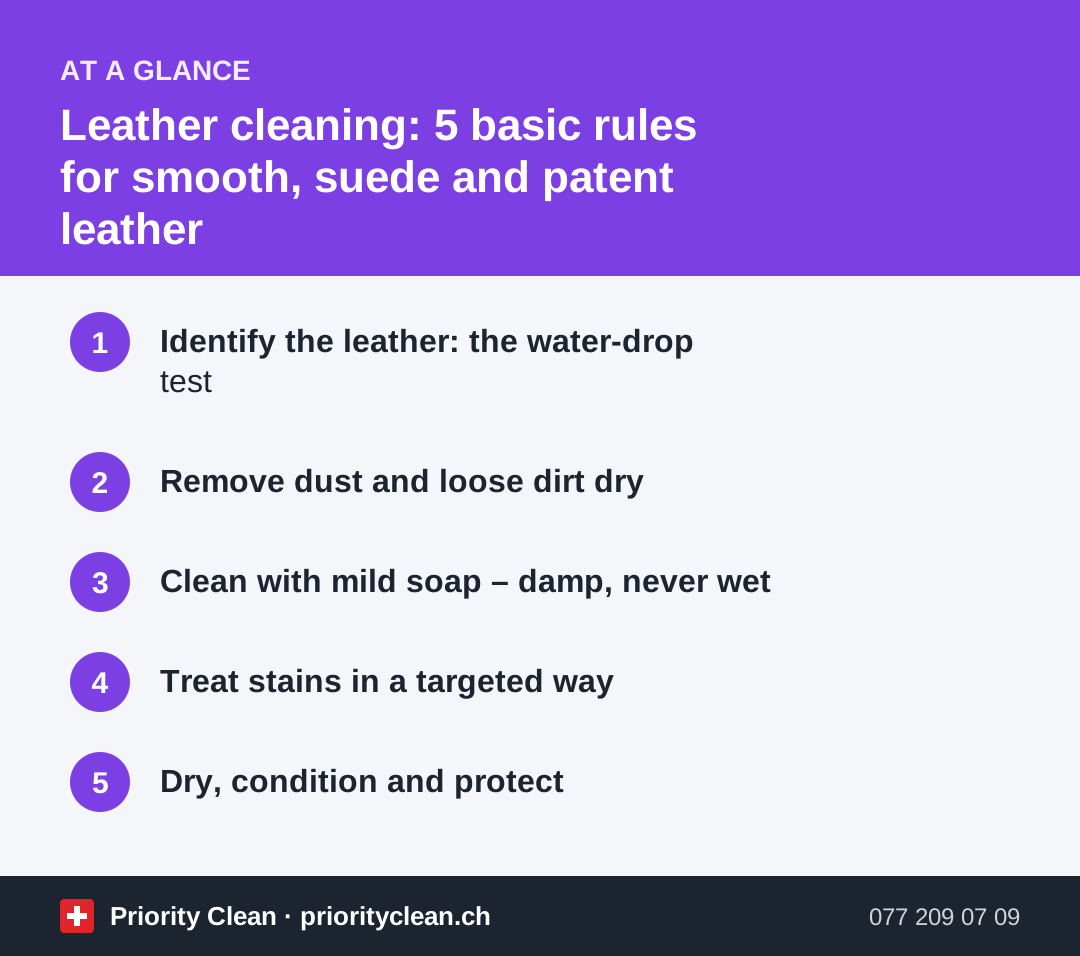
1. Identify the leather: the water-drop test
First read the label or the manufacturer's care instructions; they always take priority. If there are none, a simple test helps:
- Choose a hidden spot, such as the underside of a cushion, the inside of a flap or the tongue of a shoe.
- Put a single drop of water on it.
- Watch: if it beads up, the leather has a protective finish and can be cleaned damp. If it soaks in and the spot briefly darkens, the leather is open-pored and delicate.
- Dab the drop away and let the spot dry.
Later, test every cleaning or care product on a spot like this too, and wait until it is completely dry. Only then will you see whether the colour has changed.
2. Remove dust and loose dirt dry
Before any water comes into play, the dust has to go – otherwise you rub it into the pores and seams.
- Smooth and patent leather: wipe with a dry, soft microfibre cloth or a soft horsehair brush.
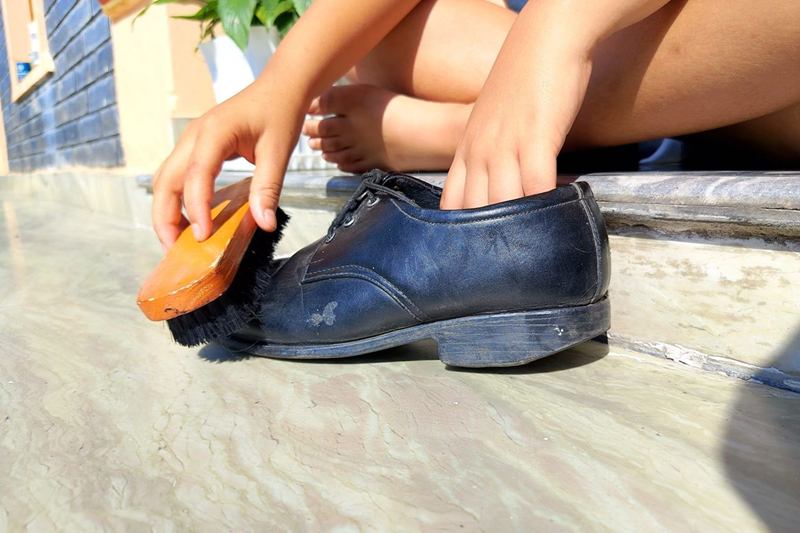
- Suede and nubuck: brush gently in one direction with a crepe or suede brush so the nap stands up again.
- Leather furniture: vacuum seams and gaps with the upholstery nozzle on a low setting.
Regular dusting is the best care of all: a sofa, bags and shoes that are wiped often need thorough cleaning less often.
3. Clean with mild soap – damp, never wet
For smooth leather, mild soapy water is enough. The Swiss consumer protection foundation (Stiftung für Konsumentenschutz) lists curd soap among the simple household remedies that replace many special cleaners. Leather soap or saddle soap from a specialist shop also works.
- Work a little soap into lukewarm water until it foams.
- Dip a soft cloth in it and wring it out very well – it should be damp, not wet.
- Wipe in small circles with little pressure, always covering a whole panel from seam to seam.
- Remove soap residue with a second cloth dampened with clean water only.
- Pat dry with a dry cloth.
Saddle soap is meant for robust smooth leather such as saddles, belts, work boots or sturdy bags. On light-coloured or open-pored leather it can darken the surface. Clean aniline leather only with a barely damp cloth and a product made for it. Wipe patent leather with a damp cloth and a drop of mild washing-up liquid, then buff it dry. Suede is never washed with soapy water; for velour and nubuck, see how to clean suede.
4. Treat stains in a targeted way
The basic rule: act quickly, dab instead of rubbing and use as little liquid as possible.
| Stain | First step | Watch out |
|---|---|---|
| Water, rain | dab, then dampen the whole area lightly and evenly | dry at room temperature |
| Grease, oil, salad dressing | dab, sprinkle with cornflour, leave for a few hours, brush off | no water, no soap |
| Coffee, red wine | blot immediately with a damp cloth, then soapy water as in step 3 | don't rub |
| Ballpoint pen | dab fresh marks with soapy water | no alcohol – it dissolves the leather dye |
| White salt marks | wipe with a slightly damp cloth, dry, condition | on shoes, often needs repeating |
Not every household remedy suits leather: vinegar and lemon juice are acidic, soda crystals and bicarbonate of soda alkaline – all of them can dry leather out or change its colour. Nail varnish remover, glass cleaner and wet wipes don't belong on leather either. Large or old stains, aniline leather and valuable pieces are best taken to a specialist leather cleaner.
5. Dry, condition and protect
- Dry: at room temperature, away from radiators, the fireplace, direct sun and hairdryers. Stuff bags and shoes with paper so they keep their shape.
- Condition: once the leather is completely dry, apply a thin layer of a conditioner that suits the leather type. Work it in with a soft cloth in circular movements, let it soak in, then buff. Suede gets no cream; patent leather at most a special patent care product.
- Protect: a waterproofing spray keeps moisture and dirt out, especially on shoes, jackets and suede. Our guide to leather shoe care takes you through shoes step by step; for furniture, see how to clean a leather sofa.
Common mistakes
- Too much water: tide marks form and the leather goes stiff.
- Home-remedy experiments: vinegar, lemon juice, bicarbonate or alcohol dry leather out and change its colour.
- Wet wipes and all-purpose cleaners: they leave residue or attack the finish.
- Drying on the radiator: the leather turns brittle and cracks.
- Too much conditioner: the surface becomes sticky and attracts dust.
- Leather grease on suede: the velvety nap mats and stains.
Frequently asked questions
What can I use to clean leather?
Clean smooth leather with lukewarm water, a little mild soap, leather soap or saddle soap and a well-wrung cloth. Suede is brushed dry, patent leather wiped damp and buffed. Always test every product on a hidden spot first.
Can leather get wet?
Briefly damp, yes; soaked, no. Too much water leaves tide marks and makes leather stiff as it dries. If it has got wet, dab it, let it dry slowly at room temperature and condition it afterwards.
Can I clean leather with vinegar or bicarbonate of soda?
Better not. Vinegar is acidic, bicarbonate alkaline – both can dry leather out and change its colour. Mild soap is the safe choice.
How often should I condition leather?
After every damp cleaning session and whenever the leather looks dry or dull. Shoes and bags that are used a lot need it more often than a sofa. Suede gets a waterproofing spray instead of cream.
Thanks for your feedback! Feel free to share the guide.
Thanks! What was missing? Drop us a line – we will improve the guide. WhatsApp