The old cake tin, the lightweight saucepan, the moka pot or the chairs on the balcony: aluminium is light, conducts heat well and puts up with a lot. It does react badly to the wrong products, though. After one run through the dishwasher, a bare pan often comes out grey, blotchy or almost black. So when it comes to how to clean aluminium, the most important thing is knowing what to leave out.
The good news: mild acids such as vinegar or lemon juice usually brighten dark discolouration again. These five tips cover the kitchen, the oven and the garden.
Why aluminium turns dark and blotchy
In contact with air, aluminium instantly forms a thin, invisible oxide layer that protects the metal. Strongly alkaline products dissolve this protective layer: dishwasher detergent, oven and grill cleaners, and soda crystals. The surface then turns grey, dark or blotchy and can feel rough.
Cooking leaves its mark too: the inside of bare pans darkens over time, for example because of minerals in the water. Limescale adds white rings. This is usually just a cosmetic problem that a mild acid can fix. Scratches from steel wool or scouring cream, on the other hand, are permanent – and dirt clings to them all the more easily.
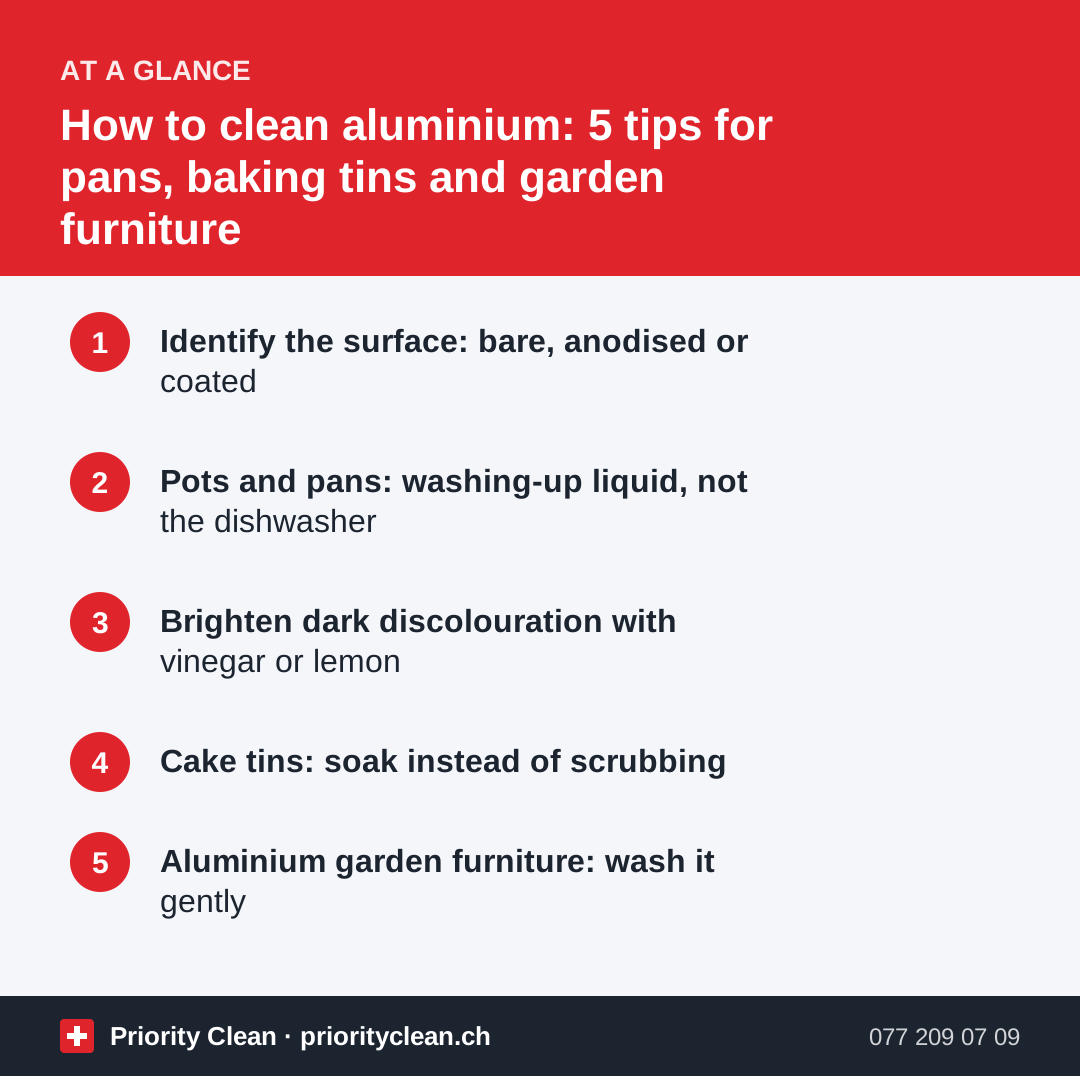
1. Identify the surface: bare, anodised or coated
Not all aluminium is the same. Before reaching for a home remedy, take a close look at the surface and, if in doubt, read the manufacturer's care instructions.
| Type | How to recognise it | Cleaning |
|---|---|---|
| Bare aluminium | Matt silver, turns grey over time; old pans, cake tins, moka pots | Washing-up liquid; dark stains with vinegar or lemon |
| Anodised aluminium | Even matt finish, often coloured (gold, black, bronze), very hard | Mild soapy water only – no acids, alkalis or abrasives |
| Powder-coated or painted | Coloured, slightly glossy layer, e.g. on garden furniture | Soapy water and a soft sponge |
| Non-stick coated | Dark coating inside, e.g. on frying pans | Follow the manufacturer, never scour |
Anodised aluminium is protected by a reinforced oxide layer. It is tough, but acids, alkalis or abrasives can leave stains on it that cannot be repaired.
2. Pots and pans: washing-up liquid, not the dishwasher
For everyday cleaning, warm water, washing-up liquid and a soft sponge are all you need.
- Fill the pan with warm water and a little washing-up liquid and let it soak briefly.
- Clean with a soft sponge or a washing-up brush.
- For stuck-on food: add water with a little washing-up liquid, bring it briefly to the boil, let it cool and loosen the residue with a wooden or plastic scraper.
- Rinse thoroughly and dry straight away with a tea towel.
Only put these items in the dishwasher if the manufacturer explicitly allows it. Many moka pot makers recommend rinsing them with hot water only – follow the instructions. More methods for burnt-on food are in our guide on how to clean a burnt pan.
3. Brighten dark discolouration with vinegar or lemon
The Swiss consumer protection foundation (Stiftung für Konsumentenschutz) recommends simple household remedies such as vinegar, citric acid, soda crystals and bicarbonate of soda instead of lots of special products. For aluminium, it is mainly the acidic ones that are suitable. Soda crystals are strongly alkaline and attack the metal. Bicarbonate of soda can also darken bare aluminium, especially when hot or highly concentrated.
- Inside the pan: fill it with water, add two to three tablespoons of household vinegar per litre or the juice of one lemon, and let it simmer for 10–15 minutes. Pour the water away, wash with washing-up liquid and dry.
- Outside and on cake tins: rub with half a lemon or a cloth soaked in diluted vinegar, then rinse and dry.
- White limescale rings: these also come off with vinegar water, followed by a thorough rinse.
Don't leave acid on overnight, or new dull patches may appear.
4. Cake tins: soak instead of scrubbing
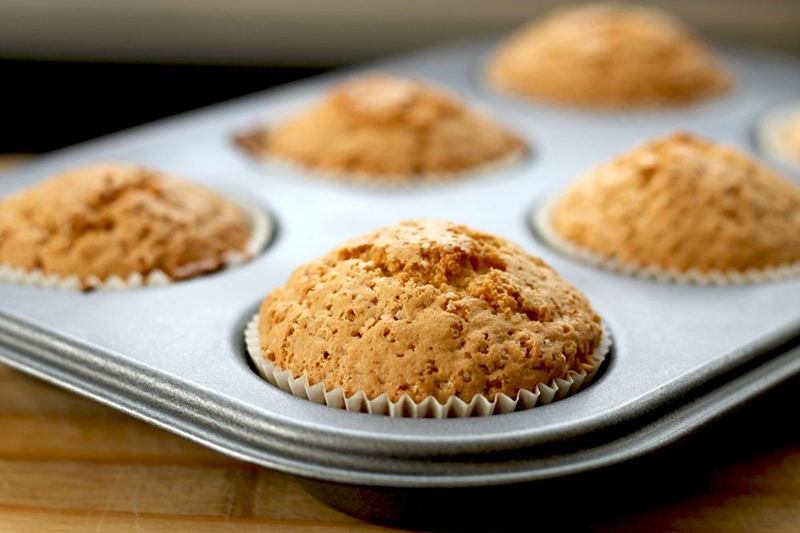
In aluminium cake tins, burnt-on residue often sits in the corners and grooves.
- Fill the tin with warm water and washing-up liquid and leave it to soak for a few hours.
- Remove the softened residue with a soft brush or a wooden spatula.
- Soak stubborn spots again instead of scrubbing them with steel wool.
- Rinse and dry immediately to avoid water marks.
Baking paper or a thin film of fat stops the batter from sticking next time. More methods for trays are in our guide on how to clean a baking tray.
5. Aluminium garden furniture: wash it gently
Aluminium garden furniture is usually powder-coated or anodised. It mainly needs water, mild soap and a soft sponge.
- Remove dust and leaves with a soft brush.
- Wash with lukewarm water and a little washing-up liquid or soft soap.
- Rinse with the hosepipe or a bucket of clean water.
- Dry with a cloth to prevent limescale marks.
Only use a pressure washer at a distance and in line with the manufacturer's instructions, as the jet can damage coatings. White, powdery spots on bare aluminium are corrosion: treat them gently with diluted vinegar and a soft brush, then rinse well. Other materials are covered in our guide on how to clean garden furniture.
Common mistakes when cleaning aluminium
- Putting bare aluminium in the dishwasher: it turns grey or black, and this can often only be partly reversed.
- Oven cleaner, soda crystals or hot bicarbonate solution: they attack the protective layer and leave stains.
- Steel wool, scouring cream or wire brushes: they scratch the surface for good.
- Chlorine-based cleaners: they can attack the metal.
- Treating anodised aluminium with acid: it leaves dull, blotchy patches.
- Leaving it wet: water and limescale marks follow.
Frequently asked questions
Why does aluminium turn black in the dishwasher?
Dishwasher detergents are alkaline. They attack the natural protective layer of bare aluminium, and the surface turns grey to black and dull. Wash these items by hand unless the manufacturer explicitly allows the dishwasher.
How do I brighten a discoloured aluminium pan?
Fill it with water and a splash of vinegar or lemon juice and let it simmer for 10–15 minutes. Then wash with washing-up liquid, rinse and dry. For heavy discolouration, repeat the treatment.
Can I clean aluminium with bicarbonate of soda?
Only with care. Bicarbonate of soda is mildly alkaline and can darken bare aluminium, especially in hot water. If you use it, apply it briefly as a paste and rinse thoroughly. Soda crystals are not suitable at all.
How do I clean aluminium garden furniture?
With lukewarm water, a little washing-up liquid and a soft sponge. Then rinse with clean water and dry. Avoid abrasives, acids and alkalis, as they can damage the coating.
Thanks for your feedback! Feel free to share the guide.
Thanks! What was missing? Drop us a line – we will improve the guide. WhatsApp